





The Essential Entry Ticket: Your Inner Line Permit
Before you can even think about soaking in the views of the Apatani Plateau, you need an Inner Line Permit (ILP). This mandatory travel document is required for all Indian citizens who are not residents of Arunachal Pradesh to enter the state. The system,
a legacy of the Bengal Eastern Frontier Regulation of 1873, was originally created to regulate movement into sensitive areas. Today, it serves to protect the unique cultural identities of the region's indigenous communities and manage entry into a state with international borders. Getting an ILP is not an obstacle but a fundamental first step in your journey. Checkpoints at entry gates like Kimin (for Ziro) are strict, and you will be denied entry without a valid permit.
How to Apply for Your Ziro ILP
Thankfully, the process of obtaining an ILP has been streamlined and is now primarily online. You can apply through official government portals like arunachalilp.com. The process is straightforward: you'll need to register, fill in your personal details, specify the districts you plan to visit (including Lower Subansiri for Ziro), and upload a passport-sized photograph and a valid photo ID like an Aadhaar card or driver's license. The fee for a tourist eILP is typically around ₹500 for a 14-day permit. While approval is often quick—sometimes within the same day—it's wise to apply at least a few days in advance to avoid any last-minute issues. Always carry a printed copy of your approved ILP along with the original ID used for the application.
Embracing Local Stays: The Eco-Homestay Ethos
Accommodation in Ziro is intrinsically linked to its focus on sustainable tourism. The region is moving away from temporary campsites and large hotels, instead promoting locally-owned eco-homestays. This approach is a core part of the community-based tourism model that aims to provide authentic experiences while ensuring that tourism revenue directly benefits local Apatani families. These homestays are more than just a place to sleep; they are an invitation into the Apatani way of life. Expect comfortable, clean rooms in traditional homes, home-cooked meals featuring local ingredients, and the chance to interact directly with your hosts. Many of these homestays are built with sustainable materials like bamboo and focus on practices like waste reduction and energy conservation.
Why These Rules Matter for Ziro
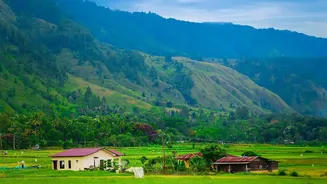
Both the ILP and the emphasis on eco-homestays are part of a deliberate strategy to protect what makes Ziro so special. The valley, which is on the tentative list for UNESCO World Heritage Site status, is celebrated for the Apatani tribe's unique sustainable agricultural practices, including an ingenious paddy-cum-pisciculture system where fish are reared in the rice fields. Uncontrolled mass tourism could easily damage this delicate ecological and cultural balance. By managing the flow of visitors through permits and encouraging intimate, culturally respectful accommodation, local authorities and community organizations are working to prevent the pitfalls of overtourism. These regulations ensure that tourism remains a positive force, supporting the local economy while preserving the heritage and natural beauty that draw travellers here in the first place.