



The Big Picture: A Persistent Backlog
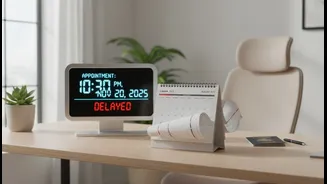
If you're finding it difficult to get a US visitor visa (B1/B2) appointment, you are not alone. Consulates across India are still grappling with a significant backlog that started during the pandemic. When routine visa services were suspended, a huge
wave of pent-up demand was created. Now, with international travel back in full swing, the demand for tourist, business, and family visit visas is exceptionally high. The US Mission in India has been working to clear this backlog, but the sheer volume of applications means that wait times remain longer than they were pre-pandemic. This high demand is the primary reason why planning well in advance—often 6 to 12 months ahead—is now essential for most applicants.
A Tale of Five Consulates: July 2026 Wait Times
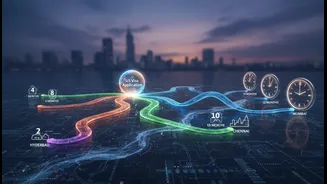
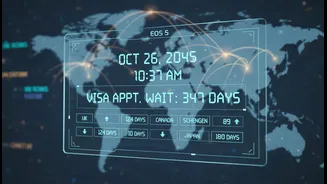
The most frustrating part for many applicants is the inconsistency in wait times. Your city of application dramatically impacts how long you'll wait for an interview. As of early July 2026, the situation is highly varied. Mumbai and Hyderabad are experiencing the longest delays, with average wait times for a first-time B1/B2 interview appointment stretching to around 9.5 months. New Delhi follows with waits of about 7 to 7.5 months. In contrast, Chennai and Kolkata offer a relatively faster process. Chennai’s wait time is around 5.5 months, while Kolkata has the shortest wait among major posts, at approximately 4 months. These figures are estimates and can change weekly based on appointment availability and cancellations.
Why Are Wait Times So Different?
Several factors contribute to the disparity in wait times between consulates. A primary reason is the volume of applicants in each consular district. Major metropolitan areas like Mumbai and Delhi naturally have a larger pool of applicants. Furthermore, each consulate has different staffing levels and processing capacities. Some consulates also handle a higher volume of other visa types, such as student (F-1) or work (H-1B) visas, which can affect the number of available slots for B1/B2 visitor visas. The US prioritizes student visas to ensure they can begin their academic programs on time, which can sometimes reduce appointment availability for other categories during peak student season (May-August).
Strategies for Navigating the System
While the long waits can be daunting, there are strategies to improve your chances of securing an earlier slot. The most important tip from officials is to apply as early as possible. Once you have scheduled an appointment, check the official scheduling portal frequently. Slots often open up due to cancellations, and you may be able to reschedule your appointment for an earlier date. If you are eligible for an interview waiver (often called "dropbox"), this is a much faster process, typically taking 2-6 weeks for renewal. For those with a genuine, documented emergency—such as an urgent medical need or business matter—you can request an expedited appointment after scheduling a regular one. However, these are granted on a very limited basis.
Preparing for Your Application
The golden rule is to not book non-refundable flights or make unchangeable travel plans until you have the visa in your passport. When you do apply, ensure your DS-160 application form is filled out completely and accurately. For the interview itself, be prepared to clearly explain the purpose of your trip and demonstrate strong ties to India—such as employment, family, or property—which show your intent to return after your visit. Required documents typically include your passport, DS-160 confirmation, appointment confirmation, and the visa fee receipt.