

A Glimpse Inside Cosmic Cradles
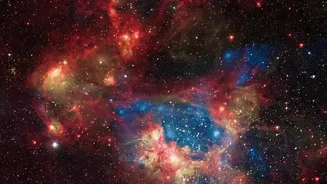
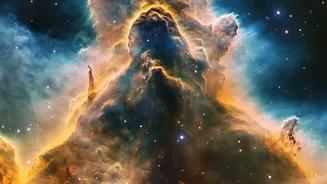
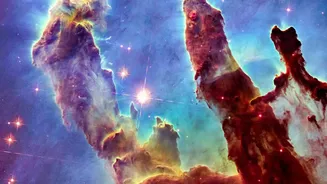
Imagine vast, cold clouds of gas and dust drifting through the galaxy. These are cosmic nurseries, or nebulae, the raw material for new stars and planets. Deep within these clouds, gravity pulls clumps of matter together, which eventually collapse and ignite
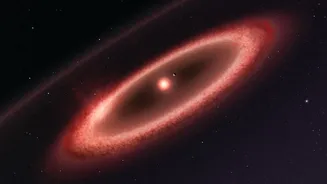
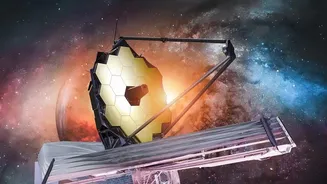
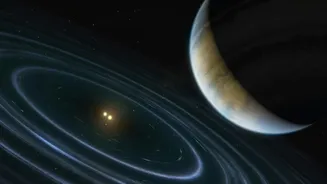
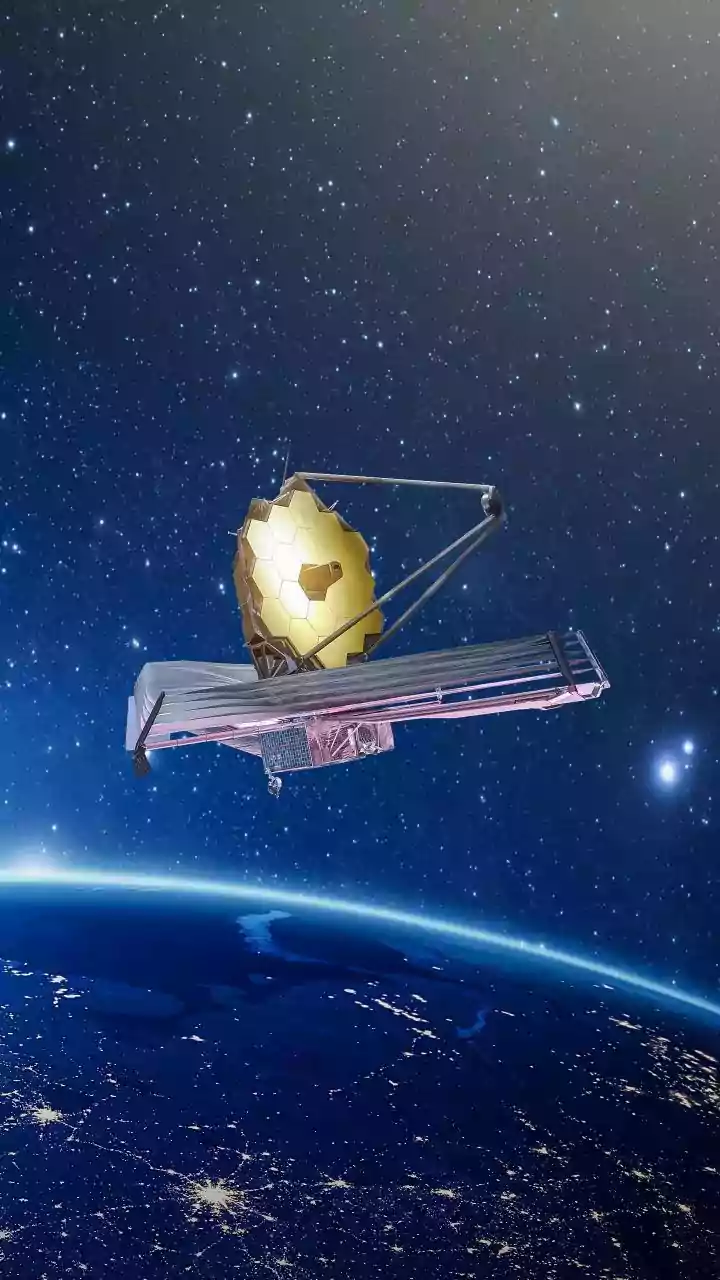
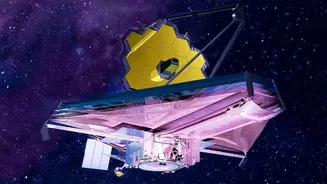
to form a protostar. Surrounding this infant star is a swirling, pancake-like platter of leftover gas and dust known as a protoplanetary disk. For astronomers, these disks are the holy grail for understanding planetary origins, as they contain the building blocks of worlds. However, these cradles have historically been difficult to study, shrouded by the very dust that forms them. That is, until the arrival of the James Webb Space Telescope (JWST), whose powerful infrared vision can pierce through the haze and see what was once hidden.
What Webb's Infrared Eyes Revealed
Recent observations from JWST have provided a startlingly clear picture of these planet-forming environments. In one stunning example, astronomers pointed the telescope at a young system called HOPS-315, located about 1,300 light-years away. There, they detected hot silicate minerals beginning to solidify near the star, marking the very earliest seeds of rocky planets. It's a direct glimpse into a process that our own solar system underwent billions of years ago. The telescope is also revealing the sheer diversity of these environments. In some disks, JWST has detected a rich cocktail of carbon-based molecules like benzene, as well as water and carbon dioxide—key ingredients for life as we know it. These findings suggest that the chemical building blocks for habitable planets might be common and available very early in a system's life.
Rewriting the Story of Planet Formation
The data streaming back from JWST is doing more than just providing pretty pictures; it’s forcing scientists to update their models of how planets come to be. For decades, it was thought that protoplanetary disks were fleeting, lasting only around 10 million years before being blown away by their host star's radiation. But Webb has found disks around small stars that are 30 million years old, suggesting the window for planet formation might be much longer than previously believed under certain conditions. The telescope has also imaged powerful winds and jets of material being blasted away from young stars, a crucial and chaotic process that shapes how much material is ultimately available to form gas giants like Jupiter versus rocky worlds like Earth. This confirms that planet formation is a dynamic race against time.
The Next Chapter in Cosmic Exploration
Each new observation from the James Webb Space Telescope opens up new questions. The discovery that the chemical makeup of protoplanetary disks can vary significantly from one to another raises a key question: why? The answer may lie in how material moves around within the disk or the unique environment of each young star. By comparing different systems—from those with distinct rings suggesting planets are already clearing their paths, to those just beginning to form mineral grains—astronomers are piecing together a more complete timeline of planetary evolution. These observations are not just about distant worlds; they provide a snapshot of what our own solar system may have looked like in its infancy, offering profound new context for our own cosmic origins.