




Beyond Delivery: A Digital Revolution
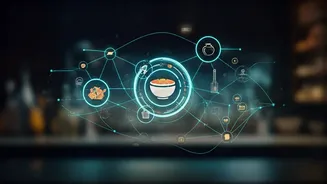
For years, the conversation around food and apps in India was dominated by delivery giants like Zomato and Swiggy. But for young users, particularly Gen Z, that’s just the starting point. They are part of a much larger shift where smartphones have become
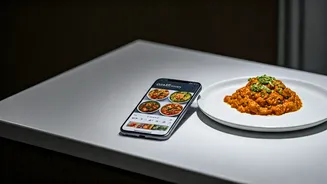
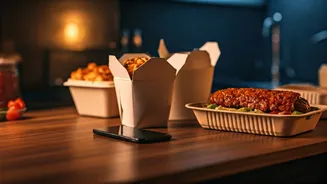
the central tool for every aspect of their culinary lives. A study from IIT Guwahati highlighted that the food lifecycle now has a sixth stage: digitalisation, which influences everything from marketing to distribution. This "Swipe Up" generation, born between 1996 and 2010, uses apps for discovering new restaurants, finding niche food communities, exploring recipes, and even ordering their weekly groceries with the promise of 10-minute delivery. It's a complete ecosystem where convenience is king and the app is the gateway.
The Rise of Quick Commerce
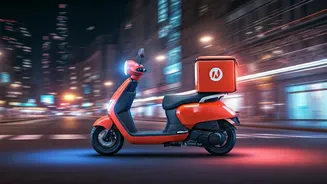
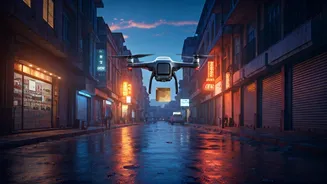
The demand for instant gratification has fuelled the explosive growth of quick commerce, or q-commerce. Platforms like Blinkit, Zepto, and Swiggy Instamart, promising delivery in under 30 minutes, have become integral to the lives of young urban Indians. This isn't just about late-night snacks; it's a fundamental change in how groceries and daily essentials are purchased, moving from planned weekly shops to on-demand buying. In fact, q-commerce is projected to make up a significant portion of all e-grocery orders. This trend has a direct impact on the food economy, influencing stock-keeping at hyperlocal 'dark stores' and creating a high-frequency channel for both established brands and new direct-to-consumer (D2C) players. However, studies also show a concerning side, with a high percentage of items available on these platforms being ultra-processed foods.
Social Media as the New Menu
For Gen Z, what's for dinner is often decided by what's trending on Instagram Reels or YouTube Shorts. Social media platforms have become powerful engines for food discovery and influence. Research shows that a huge percentage of young Indians discover new recipes and food trends through social media, with food influencers acting as their de-facto guides. This digital word-of-mouth can make or break a food trend, restaurant, or product. A visually appealing dish or aesthetic packaging can go viral, driving sales and creating new market demands. This dynamic has forced food businesses to not just create good food, but also food that is photogenic and shareable, understanding that their brand story will largely be told online by their youngest customers.
Direct-to-Consumer (D2C) Brands Find Their Audience
The rise of the app-first generation has created a massive opportunity for new D2C food brands. These brands are bypassing traditional retail channels and building direct relationships with consumers through social media and quick commerce platforms. Gen Z and millennials, who are more experimental with their food choices and rely on digital discovery, are the primary drivers of this trend. Startups offering everything from plant-based meats and healthy snacks to artisanal coffee and regional specialties are finding a ready market. These brands are scaling in a few years, a feat that would have taken traditional FMCG companies a decade, largely by targeting Gen Z customers where they spend their time: online.