
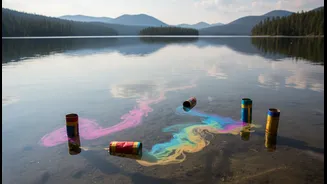


The Illusion of Purity
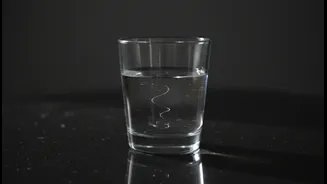
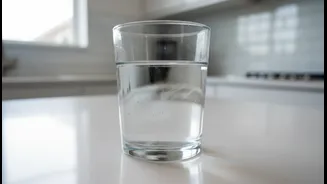
Our senses are powerful tools, but they are remarkably ill-equipped to judge the safety of drinking water. Clarity, or low turbidity, simply means the water is free of large, suspended particles like silt or sediment. While murky water is certainly unappealing,
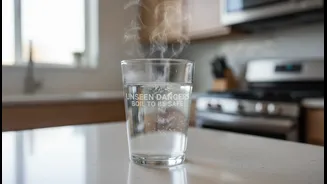
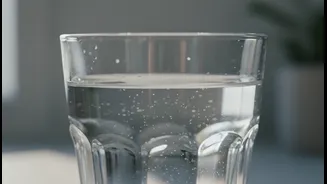
clear water provides no guarantee of purity. The most dangerous threats to our health are often completely invisible, tasteless, and odourless, lurking in a glass that appears perfectly clean. This gap between what we see and what is actually present is where the danger lies. Relying on our eyes gives a false sense of security, leading us to potentially consume harmful substances without a second thought.
The Invisible Invaders
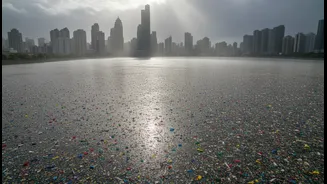
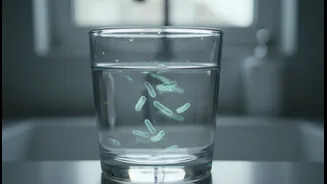
If not sediment, what is in the water? The answer is a cocktail of potential contaminants that fall into several categories. First, there are microbial pathogens: bacteria like E. coli and Salmonella, viruses such as Hepatitis A and Norovirus, and parasites like Giardia. These can cause immediate gastrointestinal illnesses and are a primary concern globally. Then, there are chemical contaminants. These include heavy metals like lead from old plumbing, arsenic which can occur naturally in groundwater, and nitrates from agricultural runoff. Long-term exposure to these can lead to chronic conditions affecting the kidneys, nervous system, and even cause cancer. Finally, a new class of 'emerging contaminants' includes microplastics, pharmaceutical residues, and industrial compounds often called 'forever chemicals' (PFAS). These substances are increasingly found in water sources and their long-term health effects are a growing concern for scientists and public health officials.
A Journey of Contamination
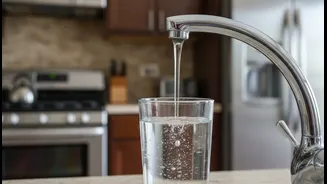
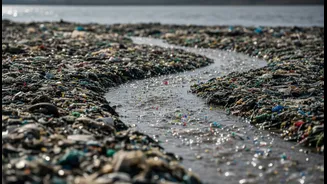
Water doesn't just magically appear at our taps. Its journey from source to glass is long and fraught with opportunities for contamination. In many Indian cities, aging infrastructure is a significant problem. Old, corroding pipes can leach heavy metals like lead directly into the water supply. Leaks in the distribution network can allow groundwater, which may be contaminated by sewage or industrial waste, to seep into the treated water supply. Even the disinfection process itself can create byproducts, known as DBPs, when chemicals like chlorine react with organic matter in the water. While organisations like the Bureau of Indian Standards (BIS) set stringent guidelines (IS 10500:2012) for drinking water, ensuring compliance across vast and complex urban networks remains a constant challenge.
What You Can Do
Given that visual inspection is unreliable, how can you ensure the water in your home is safe? Start by staying informed. Municipal bodies are often required to provide water quality reports to the public; take the time to read them. For greater peace of mind, consider in-home water testing or using a certified water purifier. It's crucial to choose a purifier that targets the specific contaminants of concern in your area. A simple carbon filter might improve taste, but a more advanced system like reverse osmosis (RO) or one with UV purification may be necessary to remove heavy metals, bacteria, and viruses. Understanding that different filters remove different things is key to making an effective choice for your family's health.