





Choose Your Base, Not Just Your Trail
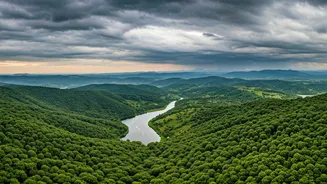
The key to a budget trip in the vast Western Ghats is picking a strategic base town. Instead of booking expensive, isolated resorts, anchor yourself in a town with good connectivity and multiple trail options. For Kerala, consider Munnar or Wayanad. From
Munnar, you can access trails like Chokramudi and Meesapulimala (with local guides). In Karnataka, the region around Madikeri in Coorg offers stunning coffee plantation walks and access to peaks like Tadiandamol. For those near Mumbai and Pune, base towns like Lonavala or Karjat in Maharashtra are gateways to fortress treks like Rajmachi and Visapur, especially during the monsoon.
Embrace Public Transport
Your biggest savings will come from mastering local transport. Skip the private cabs for long distances. The Indian Railways network provides an incredibly affordable way to get close to your base region. From the nearest major railway station, state-run buses (like KSRTC in Kerala and Karnataka, or MSRTC in Maharashtra) are your best friends. They are frequent, cheap, and connect even small towns. For the final leg to the trailhead, shared jeeps or local rickshaws are the norm. Negotiate the fare beforehand, or better yet, ask your homestay host for the standard rate. This mode of travel not only saves money but immerses you in the local way of life.
Stay in Homestays and Guesthouses
The Western Ghats are dotted with welcoming homestays that offer a far richer experience than a generic hotel, at a fraction of the cost. A homestay provides a clean room, home-cooked meals, and invaluable local knowledge. Your host can tell you about hidden waterfalls, the best time to start a trek, and arrange for a reliable local guide if needed. Guesthouses run by the Forest Department are another excellent, no-frills option, often located in prime, scenic spots. Booking these may require some advance planning, often through government websites or local offices, but the payoff in location and cost is immense.
Eat Local, Save Big
Avoid the multi-cuisine restaurants aimed at tourists. Your culinary and financial sweet spot lies in the small, local eateries, often called 'hotels' or 'dhabas'. This is where you’ll find authentic regional food that’s fresh, delicious, and incredibly cheap. A breakfast of appam and stew in Kerala, akki roti in Coorg, or misal pav in Maharashtra will fuel you for hours. When trekking, pack simple, energy-dense snacks from the local market like bananas, groundnuts, and jaggery to avoid buying overpriced packaged foods on the trail.
Plan Your Trek Smartly
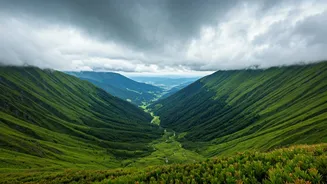
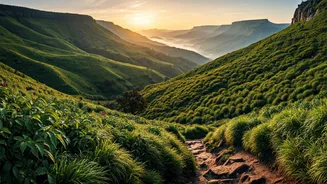
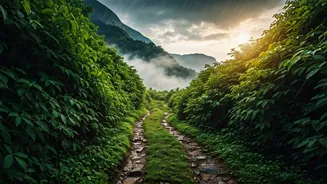
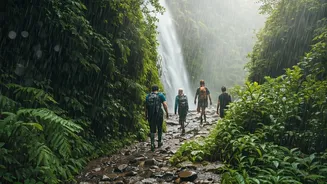
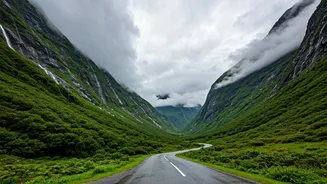
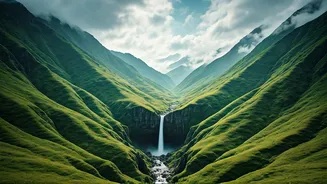
You don’t need expensive gear for most day treks in the Ghats. A sturdy pair of shoes with good grip, a lightweight rain jacket (especially from June to October), and a small backpack are usually sufficient. Always carry enough water and a basic first-aid kit. For less-marked trails, hiring a local guide is a wise investment in your safety, and the cost is minimal when shared with a group. Many trails are free to access, while some within national parks may have a nominal entry fee. Research this beforehand to avoid surprises. The best time for misty, green landscapes is during the monsoon and post-monsoon months (June to December), but be prepared for leeches and slippery paths.