




The Lithium-Ion Cost Barrier
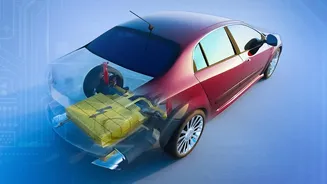
For years, the electric vehicle revolution has been powered by lithium-ion batteries. They are energy-dense, meaning they can store a lot of power in a relatively small and light package, making them ideal for high-performance cars that need long driving
ranges. However, this performance comes at a high price. Lithium, along with other key materials like cobalt and nickel, is expensive to mine, process, and is concentrated in only a few parts of the world. This supply chain vulnerability and high cost are the primary reasons why EV battery packs can account for up to 40% of a vehicle's total price, keeping them beyond the budget of most buyers in India. This has created a significant hurdle for mass EV adoption, especially for smaller, city-focused vehicles where a high-cost, long-range battery isn't always necessary.
Enter Sodium: Earth's Abundant Alternative
Sodium-ion batteries work on a similar principle to their lithium-ion cousins, but they use sodium—an element that is over 1,000 times more abundant in the Earth's crust and readily available in salt water. This incredible abundance is the technology's superpower. By replacing expensive lithium with cheap, common sodium and designing cells that don't require cobalt or nickel, manufacturers can structurally lower the cost of production. Indian companies like Reliance have made strategic investments in this technology, aiming to leverage it for a 'Make in India' solution that bypasses the global competition for lithium and could significantly lower the price of entry-level cars and two-wheelers.
The Performance Trade-Off for Urban Use
There is, however, a trade-off. Currently, sodium-ion batteries have a lower energy density than most lithium-ion chemistries. This means they store less energy for their size and weight, resulting in a shorter driving range. While this makes them less suitable for large, luxury EVs designed for long-distance travel, it makes them a perfect fit for a different, crucial market: the entry-level urban vehicle. For daily city commutes, a range of 250-400 kilometres is often more than enough. Furthermore, recent breakthroughs have shown remarkable improvements, with some new cells approaching the energy density of baseline Lithium Iron Phosphate (LFP) batteries. They also offer major advantages in safety and performance in extreme temperatures, retaining over 90% of their capacity in cold weather that can limit lithium-ion performance.
Mass Production Is Finally Here
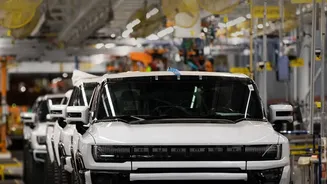
What was once a laboratory concept is now a commercial reality. Global battery giants like CATL and BYD are heavily invested, with mass production scaling up through 2026. Automakers are already launching models powered by these new batteries. In mid-2026, Chinese automaker Changan launched the Nevo A06, the world's first production passenger car to feature a sodium-ion battery from CATL, boasting a range of over 400 km. CATL expects up to 20,000 EVs to be equipped with its sodium-ion batteries by the end of 2026 alone. While some analyses note that economies of scale are still developing—meaning cell prices are not yet dramatically lower than LFP batteries—projections show that cost parity will be reached by late 2026, after which sodium-ion's cost advantage will become clear.
The Impact on India's EV Market
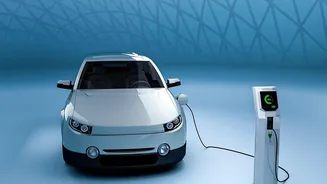
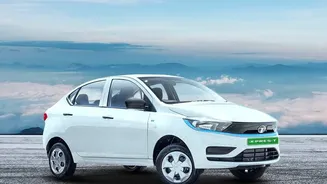
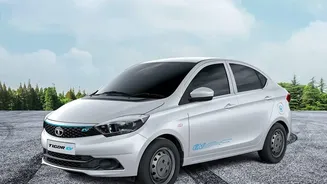
For India, this development is a potential game-changer. The country's electric mobility goals are heavily dependent on making EVs affordable for the masses. Sodium-ion technology aligns perfectly with this objective. By enabling the production of smaller, safer, and significantly cheaper electric cars tailored for urban environments, these batteries could unlock the entry-level market. The focus would shift from chasing maximum range to providing practical, cost-effective mobility. This could finally make electric cars a viable alternative to petrol-powered vehicles for millions of Indian commuters, reducing reliance on fossil fuels and driving a true grassroots EV revolution built on accessibility rather than luxury.