






What Exactly is Ambali?
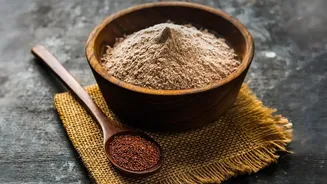
Ambali is a traditional fermented porridge or beverage with its roots deeply embedded in South India, particularly in states like Karnataka, Andhra Pradesh, and Telangana. At its core, it is made from finger millet, popularly known as ragi. The process
involves cooking ragi flour into a paste, which is then allowed to ferment naturally, typically overnight. This fermentation gives the drink its characteristic slightly sour, tangy taste and a host of health benefits. Traditionally, it's a rustic, nourishing drink, often consumed by farmers to provide sustained energy and hydration during long, hot workdays. It can be prepared as a savoury drink, often mixed with buttermilk, salt, and garnished with chopped onions and green chillies, or as a sweet version.
The Ancient Secret to Gut Health
The magic of Ambali lies in its fermentation process. This natural method encourages the growth of beneficial bacteria, making Ambali a potent probiotic. In an era where gut health is a major wellness focus, Ambali stands out as a traditional alternative to commercial probiotics like kombucha or kefir. The fermentation not only creates these gut-friendly microbes but also breaks down anti-nutrients like phytic acid in the millet. This improves the body's ability to absorb essential minerals from the ragi, such as calcium and iron, which it contains in abundance. The result is a drink that supports digestion, boosts immunity, and promotes a healthy gut microbiome.
A Sip of History and Tradition
For generations, Ambali was not a trending superfood but a practical, life-sustaining staple in rural households. Known for its cooling properties, it was considered the perfect antidote to India's harsh summers. It was the original energy drink, providing slow-release carbohydrates for endurance without the sugar crash of modern beverages. Often stored in earthen pots, which helped in the fermentation process and kept it cool, Ambali was a symbol of a simple, sustainable, and deeply intelligent food culture that understood how to get the most nutrition from local grains. It was a humble farmer's meal, a child's breakfast, and a source of strength for nursing mothers, long before it was discovered by city cafes.
From Farm Fields to Cafe Menus
So, why is this rustic drink suddenly appearing on chic cafe menus? The comeback is part of a larger movement towards rediscovering and celebrating indigenous Indian ingredients and traditions. As urban consumers become more health-conscious, there's a growing fatigue with imported superfoods like quinoa and a desire for local, sustainable alternatives. Millets, championed by government initiatives and a renewed public interest, are at the forefront of this shift. Ambali perfectly fits this new paradigm: it's gluten-free, nutritious, rooted in Indian heritage, and aligns with the global trend for fermented foods. Chefs and cafe owners are tapping into this, presenting Ambali as a healthy, authentic, and uniquely Indian wellness drink.
The Modern Ambali Experience
While the core of Ambali remains the same, its presentation in urban settings is often refined for the modern palate. Cafes are serving it chilled in stylish glasses, sometimes with customisable toppings. The classic savoury version, with buttermilk and a sprinkle of roasted cumin, remains a favourite. Some are even experimenting with new flavour infusions or using it as a base for healthier smoothies. This modern adaptation makes the traditional drink more accessible and appealing to a new generation that may not have grown up with it, bridging the gap between ancient wisdom and contemporary lifestyles.