




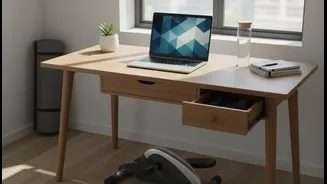




The Myth of the 'Active Couch Potato'
For years, the prevailing wisdom was that a dedicated workout could cancel out a day spent at a desk. However, a growing body of research shows this isn't the case. The term “active couch potato” has emerged to describe people who meet daily exercise
guidelines but spend the vast majority of their day sedentary. Studies indicate that even with regular exercise, prolonged sitting is independently linked to increased risks for chronic health issues like heart disease, type 2 diabetes, and certain cancers. The negative effects of uninterrupted inactivity seem to accumulate, regardless of that 60-minute sweat session. The reason is that long periods of sitting can negatively impact metabolism, circulation, and blood sugar regulation in ways that a single burst of activity struggles to completely reverse.
Why All-Day Movement Matters
The new focus is on frequency over intensity. Instead of one big workout, experts now emphasize integrating small, consistent movements throughout the entire day. These short bursts of activity, often called “movement snacks” or “exercise snacks,” work to counteract the negative effects of being stationary. Research suggests that breaking up sitting time every 30 minutes can make a significant difference. These mini-breaks help maintain muscle activity, improve blood flow, and can even boost mental clarity and reduce feelings of fatigue. A 2026 study published in Plos Medicine found that replacing even an hour of sitting with light activities like slow walking or housework was associated with a 12% lower risk of cancer death. The key takeaway is that our bodies are designed for regular movement, and interrupting sedentary periods is crucial for our overall well-being.
Easy 'Movement Snacks' for Your Workday
Incorporating more movement doesn't require a major lifestyle overhaul. The goal is to build small, sustainable habits. One of the simplest strategies is to set a timer to remind yourself to get up and move every hour. Instead of emailing a colleague, walk over to their desk. When you take a phone call, stand up and pace around your office. You can also try simple “deskercises” that don't require you to leave your workspace. Perform seated leg extensions by straightening one leg at a time and holding for a few seconds. Do some chair squats by standing up and sitting down without using your hands. Even calf raises while you wait for the printer or neck stretches during a long call can help. These small actions may feel insignificant, but they add up to reduce overall sedentary time.
Building a Less Sedentary Routine
Beyond individual exercises, think about structuring your day to encourage movement. If possible, consider a standing desk or a sit-stand converter to alternate between sitting and standing. Suggest walking meetings for brainstorming sessions or one-on-ones; you might find the change of scenery boosts creativity. During your lunch break, make a point to step away from your desk and take a short walk, even if it’s just around the building. The commute itself offers opportunities: park farther from the entrance or get off the bus one stop earlier to add a few extra minutes of walking to your day. The idea is to make movement a natural and non-negotiable part of your daily routine, rather than another task to check off a list.