

The Global Threat to a Local Lifeline
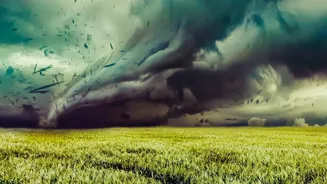
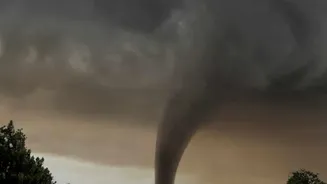
El Niño is a climate pattern characterised by the unusual warming of surface waters in the eastern tropical Pacific Ocean. This seemingly distant event has a powerful, often disruptive, influence on global weather. For India, the connection is critical:
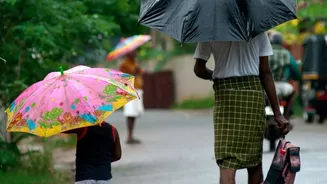
a strong El Niño is historically linked to weaker Southwest Monsoon rains. With forecasters warning that the 2026 event could become one of the strongest on record, concerns are mounting. The monsoon is the backbone of the country's agriculture, with a vast majority of farmers dependent on seasonal rains to irrigate their crops. As of mid-September 2026, the country is already facing a significant rainfall deficit of around 15%, potentially making this the driest monsoon season in 17 years.
Crops on the Front Line
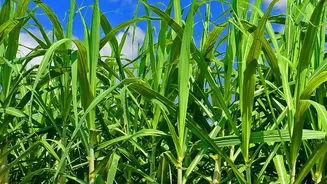
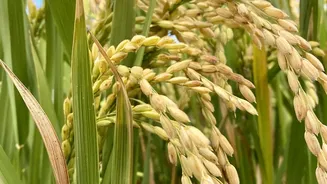
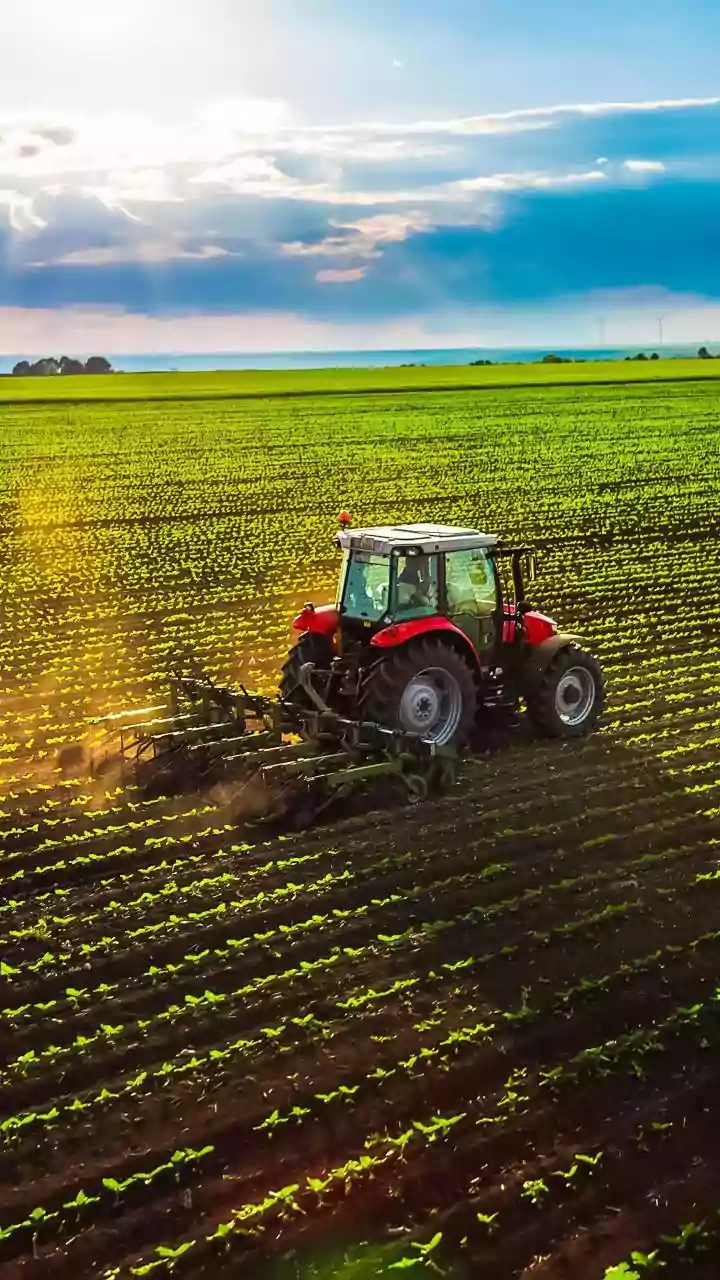
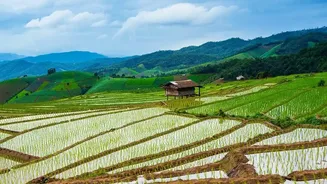
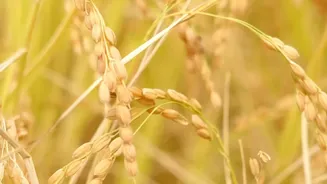
The timing and distribution of monsoon rain are crucial for the Kharif or summer planting season. A deficient monsoon directly threatens staple crops like rice, pulses, maize, oilseeds, and cotton. Uneven rainfall can lead to reduced sowing, while long dry spells stress plant growth, ultimately hitting yields. By early September 2026, sowing for rice (paddy) had already fallen by about 4% compared to the previous year, with overall Kharif planting down by around 1.6%. This is particularly concerning for pulses and edible oils, where India is already reliant on significant imports to meet domestic demand. A poor harvest not only shrinks the availability of these essential commodities but also directly impacts the livelihoods of millions of small and marginal farmers.
From Paddock to Plate Prices
The chain reaction from poor rainfall doesn't stop at the farm gate; it extends directly to household budgets. Reduced agricultural production tightens market supplies, which can lead to a sharp rise in food prices. Food inflation had already risen for seven straight months, hitting 5.95% in August 2026. Economists estimate that every one percentage point shortfall in monsoon rain can push food inflation higher. This price pressure affects everyone, but it disproportionately hurts the urban poor and rural landless workers, who spend a larger portion of their income on food and may also face reduced employment opportunities in a stressed agricultural economy.
The Government's Mitigation Playbook
The Indian government is not watching from the sidelines. Recognizing the threat early, central and state authorities have activated contingency plans. These measures include identifying hundreds of the most vulnerable districts to provide targeted support and preparing to distribute seeds for alternative, less water-intensive crops. Authorities are also promoting water conservation techniques and ensuring the availability of fertilisers. To manage price volatility, the government can dip into its buffer stocks of essential grains like wheat and rice, and take measures such as allowing duty-free imports or selling subsidised goods in the open market to cool down prices. The aim is to build a multi-layered defence to protect both farmers and consumers from the worst impacts of a weak monsoon.
A Test of Resilience
The 2026 El Niño is more than just a weather event; it is a stress test for India's entire food system. While immediate measures can soften the blow, the increasing frequency of extreme weather events highlights a deeper, long-term challenge. Experts argue that the future of India's food security depends not just on managing annual crises but on fundamentally rethinking its relationship with water. This involves a structural shift towards making 'more crop per drop' a national priority through wider adoption of micro-irrigation, rainwater harvesting, and developing climate-resilient crop varieties. Building this resilience is critical to safeguarding the nation's food supply and economic stability in a world of growing climate uncertainty.