



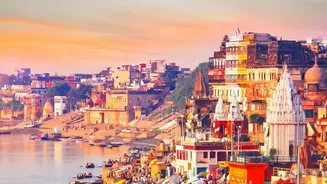
From Sightseeing to 'Experiencing'
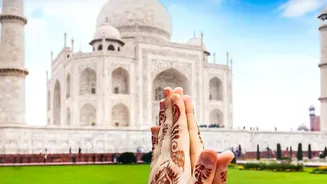
For decades, the goal of travel was often to see iconic landmarks—the Eiffel Tower, the Taj Mahal, the Colosseum. Traditional tourism felt like consumption: check the box, take the photo, and move on. But today’s traveller, particularly among younger
generations like Millennials and Gen Z, is driven by a different motivation. They are seeking to move beyond the superficial aspects of tourism and truly understand a place from the perspective of those who live there. This shift is from being a passive observer to an active participant; from simply 'visiting' a place to truly 'experiencing' it. This isn't just about adventure; it's about finding significance and connection in the journey.
The Quest for Genuine Connection
At the heart of immersive travel is a desire for authenticity. In a world saturated with curated social media feeds, there's a growing appetite for real, unscripted moments. Cultural immersion is the act of surrounding yourself with the local culture—its customs, traditions, and daily rhythms. This can mean staying with a host family, taking a cooking class to learn local recipes, shopping at a neighbourhood market, or even learning a few phrases of the local language. These actions demonstrate respect and create opportunities for genuine interaction that go beyond the typical tourist-and-service-provider dynamic. It's through these connections that travellers can break down stereotypes and build cross-cultural empathy.
A Path to Personal Growth
Beyond making memories, immersive travel is increasingly seen as a powerful tool for personal development. Stepping outside of one's comfort zone and adapting to unfamiliar situations builds confidence, resilience, and a broader perspective on the world. Engaging with a new culture challenges personal assumptions and values, prompting reflection and a heightened sense of self-awareness. Many travellers are no longer just seeking an escape; they are looking for transformative experiences that foster personal growth and offer a deeper understanding of both the world and themselves. This kind of journey provides the ultimate souvenir: a broader perspective that lasts long after returning home.
Reacting to the Downsides of Overtourism
The move toward immersion is also a reaction against 'overtourism'. Many famous destinations are buckling under the strain of excessive visitor numbers, leading to environmental degradation, strained infrastructure, and a diminished quality of life for local residents. Overtourism can lead to rising housing costs that displace locals and turn vibrant communities into what some call 'tourist playgrounds'. Conscious travellers are increasingly aware of their impact. They are choosing more responsible and sustainable travel practices that support local economies directly and preserve cultural heritage, ensuring that destinations can benefit from visitors without being overwhelmed by them.