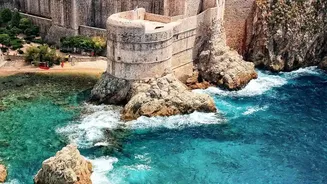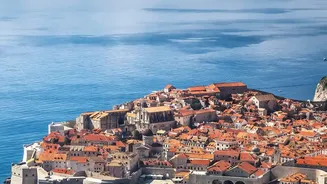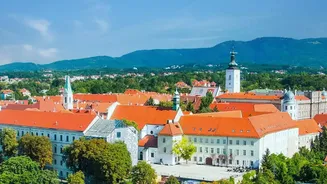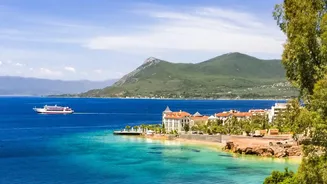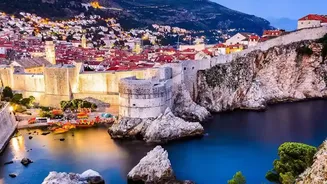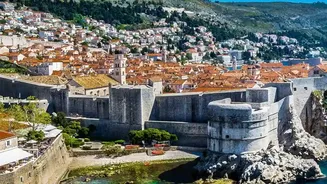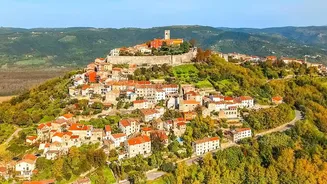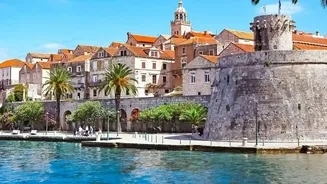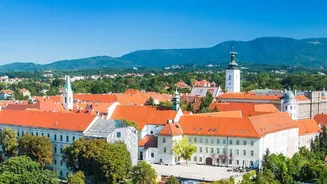


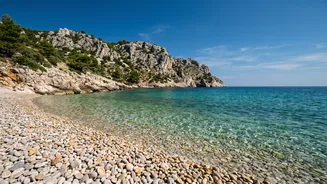
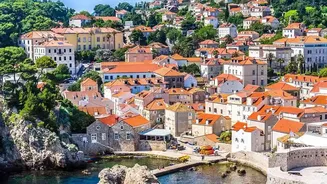
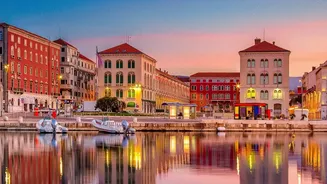
Picture Croatia: ancient city walls above a sparkling Adriatic Sea. But the peak summer reality is often scorching heat and overwhelming crowds. For a smarter, more rewarding trip, savvy travellers look to the shoulder seasons of spring and autumn.
The 'Shoulder Season' Sweet Spot
Croatia’s
tourism industry is built around the peak months of July and August, when prices and crowds are at their highest. The 'shoulder seasons'—typically April, May, and September through October—represent a travel sweet spot. During these months, the weather is pleasantly warm, the tourist throngs have thinned, and the country reveals a more relaxed and authentic charm. Most hotels, restaurants, and ferry routes are fully operational, offering the complete Croatian experience without the peak-season stress.
The Weather Advantage
July and August in coastal Croatia often bring soaring temperatures that can push past 30°C, making daytime sightseeing an endurance test. In contrast, the shoulder months offer comfortable daytime highs, often ranging from 20°C to 28°C. This milder climate is ideal for activities that are challenging in the summer heat, like walking the famous city walls of Dubrovnik or exploring the sprawling grounds of Diocletian's Palace in Split. While the sea is warmest in summer, it remains pleasant for swimming well into September and even early October.
Your Wallet Will Thank You
One of the most compelling reasons to avoid the summer peak is the significant cost savings. Travellers can expect prices for flights and accommodation to be 25-50% lower in the shoulder season compared to July and August. A hotel room in a popular destination like Dubrovnik or Hvar that costs €200 or more per night in summer can often be booked for around €120 in May or October. Entrance fees for major attractions also decrease; a ticket to Plitvice Lakes National Park, for example, costs €40 in peak season but drops to €23 in April, May, and October.
Reclaim the Sights Without the Crowds
Croatia's most famous sights can feel like a theme park queue in July and August. In Dubrovnik, the old town becomes almost unpleasantly congested, and the wooden walkways of Plitvice Lakes National Park throng with tourists. Visiting in September or May transforms the experience. You can explore historic streets without being jostled, find a table at a waterfront cafe, and take photos without a sea of strangers in the background. This quieter atmosphere allows for a much more immersive and enjoyable connection with Croatia's stunning heritage and natural beauty.
A Different Kind of Adventure
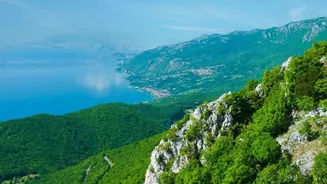
Cooler, more comfortable weather opens up a world of activities beyond the beach. Spring is a fantastic time for hiking and cycling, as national parks like Paklenica and Krka are lush and their waterfalls are at their most powerful from snowmelt. Autumn offers its own unique appeal, especially in regions like Istria, which celebrates its truffle and wine harvests with festivals and special menus. The foliage in Plitvice Lakes turns into a spectacular display of gold and copper, making it a photographer's dream. These seasonal experiences provide a richer, more diverse taste of what Croatia has to offer.