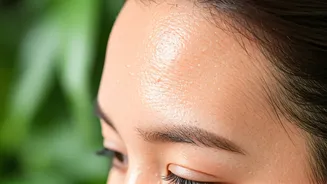








Cleanse Gently, But Thoroughly
The foundation of any good monsoon skincare routine is proper cleansing. High humidity means more sweat and oil, which can mix with dirt and pollutants to clog your pores. Dermatologists recommend washing your face twice a day with a gentle, pH-balanced
cleanser to remove this buildup without stripping your skin of its natural moisture. Over-washing or using harsh, soap-based face washes can backfire, causing your skin to produce even more oil to compensate. For those with acne-prone skin, cleansers containing salicylic acid can be particularly effective at keeping pores clear and preventing breakouts. Remember to use lukewarm water and pat your skin dry with a soft towel.
Switch to a Lightweight Moisturiser
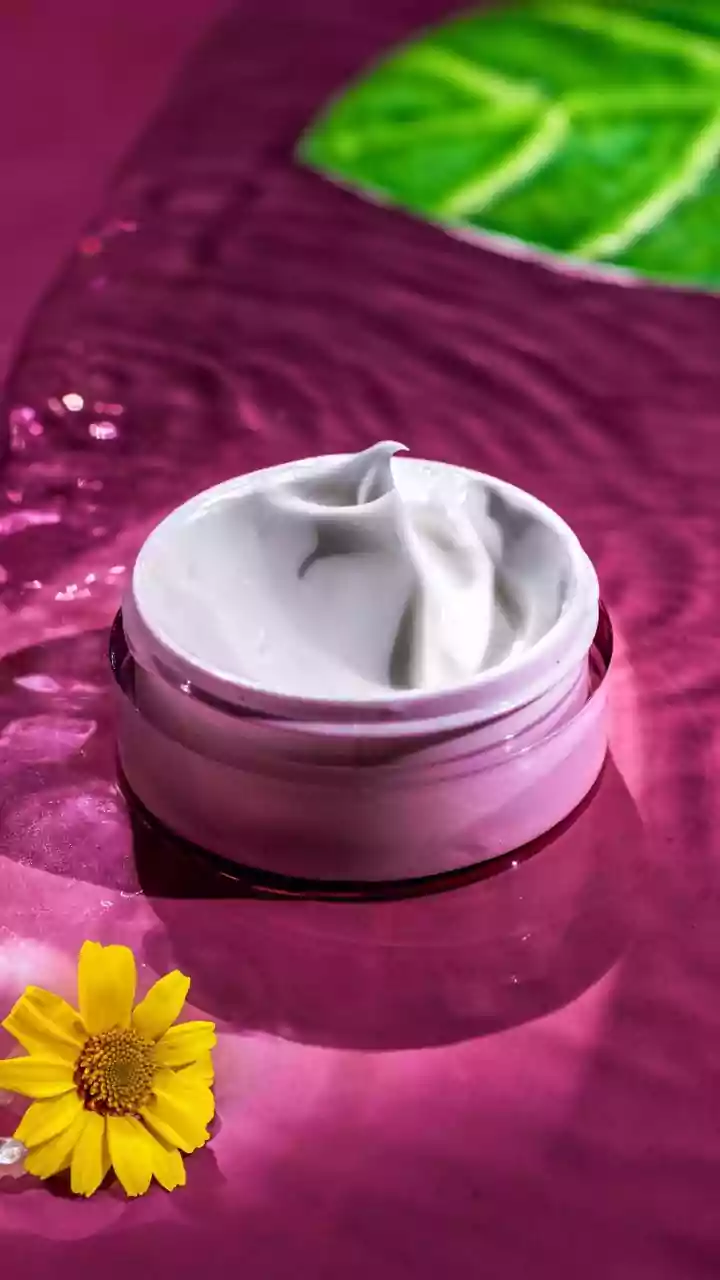
It’s a common myth that oily or damp skin doesn't need moisturiser. In fact, skipping this step can dehydrate your skin, prompting it to produce even more sebum. The key during the monsoon is to switch from heavy, oil-based creams to a lightweight, non-comedogenic (non-pore-clogging) formula. Look for gel-based or water-based moisturisers that hydrate the skin without feeling greasy or heavy. Ingredients like hyaluronic acid, which attracts and holds water, and niacinamide, which helps regulate oil production and improve skin texture, are excellent choices for humid weather. This step ensures your skin barrier remains healthy and hydrated.
Sunscreen is Still Non-Negotiable
Don’t let the cloudy skies fool you; sunscreen is just as crucial during the monsoon as it is in summer. Up to 80% of the sun’s harmful UV rays can penetrate through clouds, causing tanning, premature ageing, and long-term skin damage. Wet surfaces like roads and puddles can also reflect UV rays, increasing your exposure. Experts advise using a broad-spectrum sunscreen with an SPF of at least 30 every single day. To combat the stickiness of the season, opt for a lightweight, non-greasy, or matte-finish formula. A water-resistant sunscreen is also a smart choice to ensure it doesn’t wash away if you get caught in the rain.
Exfoliate, But With Caution
With excess oil and sweat, dead skin cells can accumulate more quickly, leading to dullness and clogged pores. Regular exfoliation is vital to keep your skin bright and clear, but it’s important not to overdo it. Harsh physical scrubs can sometimes cause micro-tears and irritate the skin, which is already more sensitive during the monsoon. Many dermatologists suggest using a gentle chemical exfoliant containing AHAs (like glycolic acid) or BHAs (like salicylic acid) once or twice a week. This method effectively removes dead skin cells without abrasive scrubbing, helping to prevent breakouts and maintain a smooth texture.
Manage Monsoon-Specific Woes
The damp, humid environment of the monsoon is a perfect breeding ground for fungal and bacterial infections. These can appear as itchy, red rashes, particularly in skin folds like the underarms and between the toes. To prevent this, always keep your skin as dry as possible. Shower soon after getting wet in the rain and change out of damp clothes immediately. Wearing loose, breathable cotton clothing can also make a big difference. For extra protection, especially in sweat-prone areas, consider using an antifungal powder. It's also wise to keep your makeup minimal to allow your skin to breathe.