





An Unwelcome Travel Companion
The feeling of dread before a trip has become so common that it’s actively keeping people at home. According to the 2026 Passenger IT Insights report from air transport communications firm SITA, a staggering 42% of travellers have decided against a trip specifically
because they anticipated it would be too stressful. This isn't a niche problem; the survey of nearly 8,000 people across 24 countries highlights a significant shift in how we view travel. The pressure is felt most acutely by two key groups: six in 10 frequent flyers and more than half of travellers under 30 have cancelled plans due to stress. But what exactly is turning the dream of a getaway into a source of anxiety?
The Primary Stress Triggers
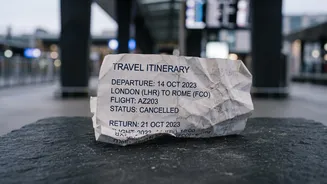
Travel stress often begins long before you leave home. For many, the planning phase itself is a major hurdle, with 71% of adults finding the process of booking travel to be stressful. The top stressors frequently involve the airport experience, including the possibility of flight delays and cancellations, navigating long queues, and worries over baggage. Financial concerns also play a huge role; creating and sticking to a budget, coupled with the fear of unexpected costs, can cast a long shadow over a trip. Beyond logistics, there's also the modern pressure to perform. Social media has created an environment where many feel a need to have a 'perfect' and post-worthy vacation, which can turn a relaxing break into a content-creation chore and lead to shallow experiences.
Reclaiming the Joy of Travel
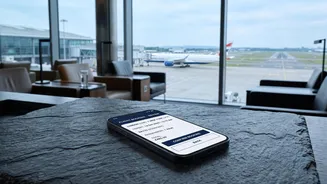
While the stressors are real, they don’t have to win. The key to a less stressful trip lies in preparation and mindset. The same SITA survey found that eight in 10 travellers believe technology can help alleviate the strain, with real-time updates on delays and wait times being a top desire. But you don't have to wait for an app to solve everything. Taking control of the planning process with a few deliberate strategies can make a world of difference. By simplifying your plans, setting realistic expectations, and focusing on the 'why' behind your trip, you can significantly reduce the anxiety that leads to cancellation.
Your Action Plan for a Stress-Free Escape
Ready to travel without the tension? Start with organization. Create simple checklists for packing and pre-trip tasks to avoid last-minute panic. Financially, set a realistic budget that includes a buffer for spontaneity and emergencies. When booking, consider arriving at the airport with plenty of extra time and research your accommodation thoroughly by reading recent reviews. If you're travelling with others, have an open conversation about expectations to ensure everyone is on the same page and willing to compromise. Most importantly, give yourself permission to disconnect. Limit social media use and focus on being present rather than documenting every second. A vacation is a break from your daily grind; it shouldn’t feel like a different kind of work.
Small Steps, Big Relief
Reducing travel stress doesn't require a complete overhaul of how you plan. Sometimes, the smallest adjustments can bring the greatest relief. For example, packing light into a carry-on can give you more flexibility and reduce worries about lost luggage. During your trip, plan for 'do-nothing' days with no set itinerary. This downtime allows for spontaneity and genuine relaxation, away from the pressure of a packed schedule. Simple mindfulness techniques, like deep breathing exercises, can also be incredibly effective when you find yourself in a stressful situation, like a long queue or a flight delay. Even just a few minutes of focused breathing can help reset your nervous system and bring a sense of calm to a chaotic moment.