
Understanding the Low-Water Shift
Low-water gardening, often known as xeriscaping, is a design philosophy centred on water conservation. It isn't about creating a barren landscape of rocks and cacti. Instead, it’s a smart, holistic approach to creating a resilient and attractive garden that
requires minimal supplemental watering. The core idea is to work with the local climate, not against it. By choosing appropriate plants, improving soil, and using water efficiently, you can create a vibrant garden that saves water, money, and time on maintenance.
The Foundation: Planning and Soil
A successful low-water garden begins long before you plant anything. Start by creating a plan. Observe your space to understand sun exposure, wind patterns, and natural slopes. Group plants with similar water and light needs together in 'zones'. This prevents overwatering some plants just to keep thirstier ones alive. Equally important is preparing your soil. Most Indian soil can be improved. Adding organic matter like compost improves structure, aeration, and most importantly, water retention. Good soil encourages deep root growth, which helps plants access moisture stored further down and survive dry spells.
Plant Selection is Key
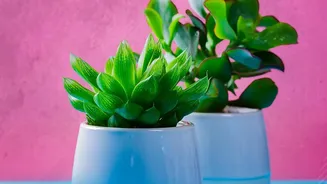
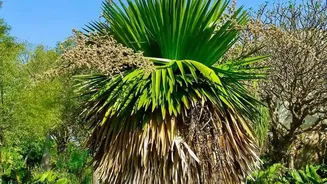
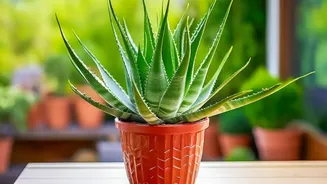
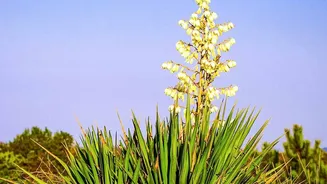
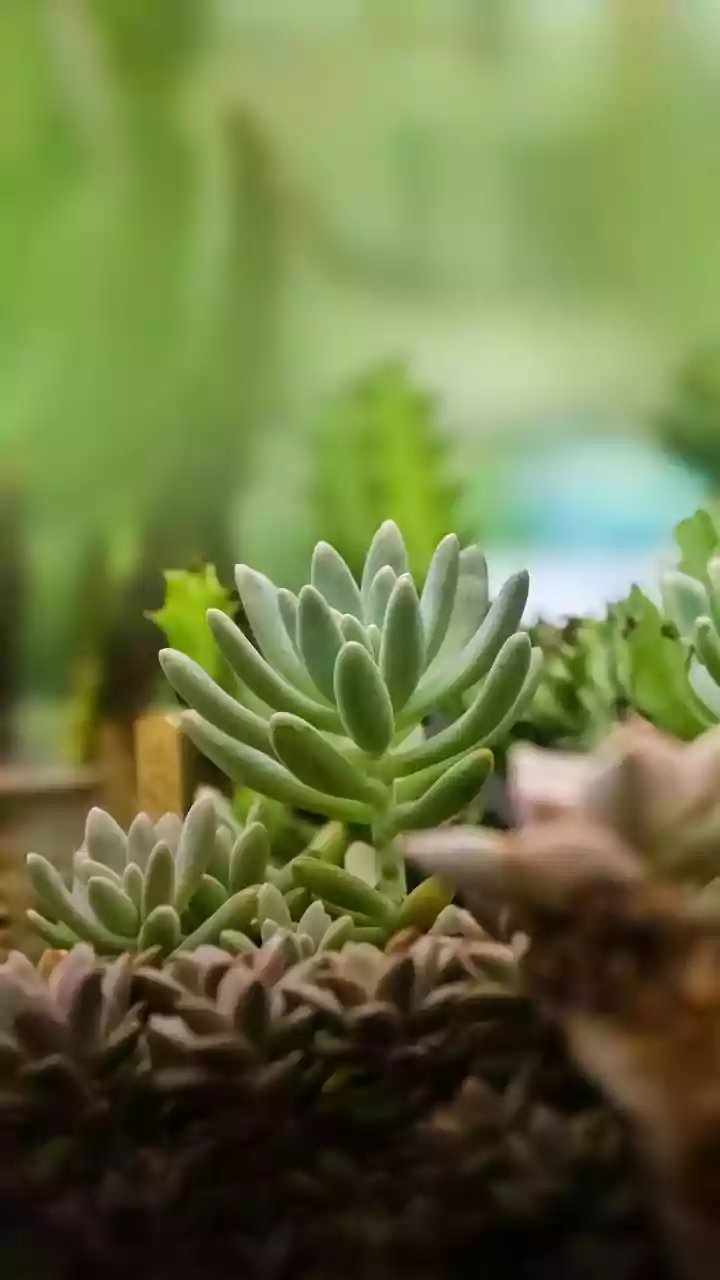
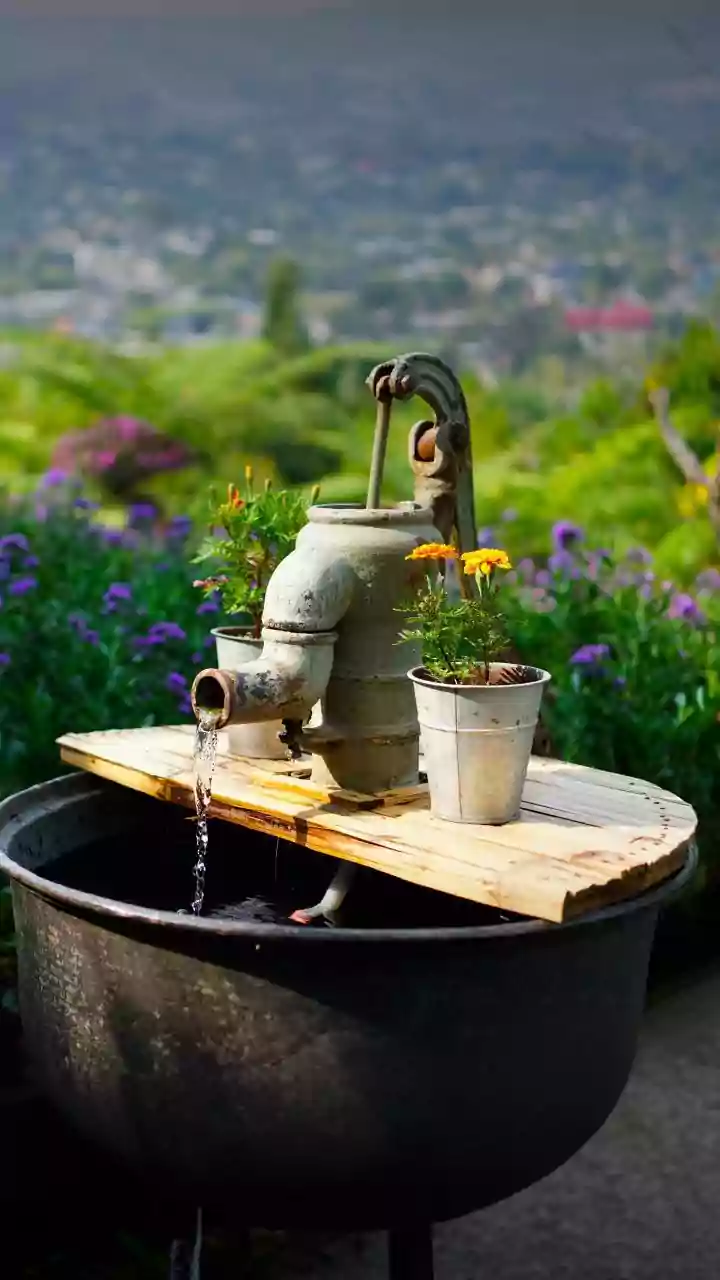
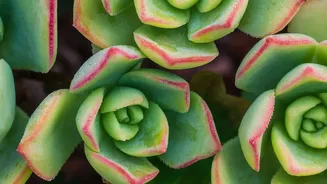
The stars of any low-water garden are the plants themselves. Focus on native and drought-tolerant species that are naturally adapted to your region's climate. Native plants often have deep root systems that make them incredibly resilient and provide habitat for local wildlife. For Indian gardens, consider hardy bloomers like Bougainvillea, Lantana, and Marigolds. Succulents and ornamental grasses also add wonderful texture and form. Don't feel you must give up lawns entirely; instead, consider reducing the size of turf areas or choosing drought-tolerant grass varieties. A thoughtful plant selection ensures year-round beauty without constant care.
Water Smarter, Not Harder
Efficient irrigation is a pillar of xeriscaping. The goal is to apply water directly to the plant's root zone, minimising evaporation. Drip irrigation systems and soaker hoses are excellent for this. If watering by hand, do so early in the morning or late in the evening to reduce water loss to evaporation. Water deeply and infrequently, rather than shallowly and often. This encourages plants to develop deep, strong roots. One of the most effective techniques is applying a layer of mulch, such as wood chips, bark, or even straw. A few inches of mulch helps retain soil moisture, suppresses weeds that compete for water, and keeps the soil cool.
Integrating Hardscape and Design
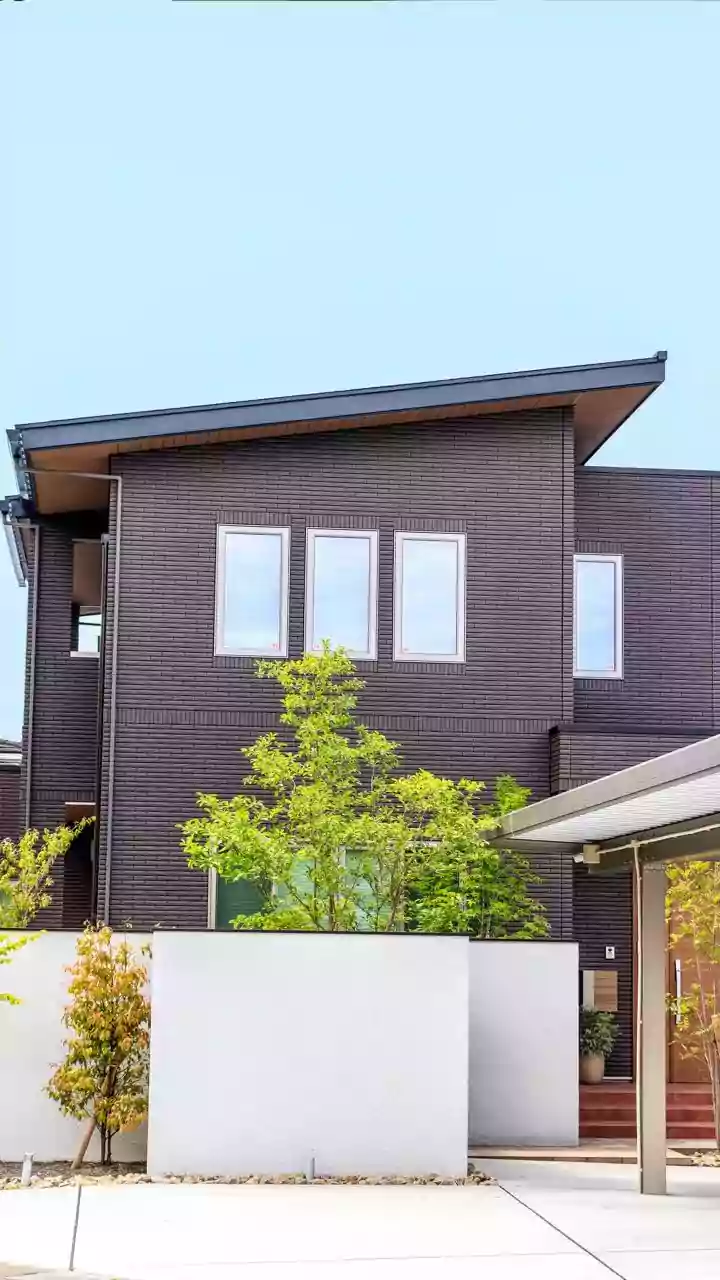
A water-wise garden strategically uses non-living elements, or hardscaping. Permeable pathways made of gravel or stepping stones allow rainwater to soak into the ground rather than run off. Patios, benches, and rock features can create beautiful focal points and reduce the area that needs watering. These elements provide structure and visual interest throughout the year. By thoughtfully balancing plant life with hardscaping, you can create a sophisticated, low-maintenance design that is both functional and beautiful, proving that a garden's appeal doesn't have to come from wall-to-wall greenery.