




The Fabric Foundation
The single most important decision when packing for a rainy trip is choosing the right fabrics. The goal is to select materials that are lightweight, breathable, and, most importantly, quick-drying. Cotton, a travel staple in dry climates, becomes your
enemy in the monsoon; it absorbs moisture and takes forever to dry in high humidity. Instead, build your wardrobe around performance fabrics. Synthetics like polyester and nylon are excellent choices as they wick moisture away from the skin and dry rapidly. Another top contender is merino wool, which might sound warm but is actually brilliant for travel. Lightweight merino wool regulates body temperature, resists odour, and manages moisture effectively. For a more natural feel, linen and bamboo are fantastic options. They are incredibly breathable, allowing for maximum airflow to keep you cool and help clothes dry faster even when the air is thick with moisture. By selecting clothes made from these materials, you can often get away with washing an item in the evening and having it be dry by morning.
The Rolling Revolution
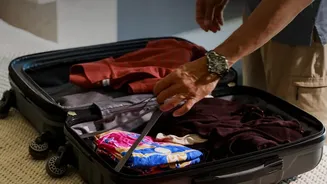
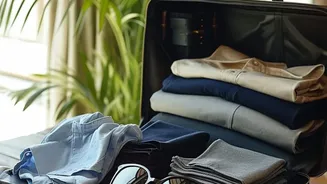
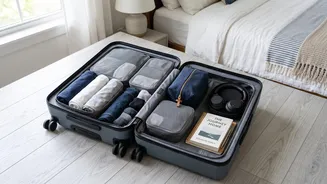
How you pack is just as important as what you pack. Many seasoned travelers swear by the rolling method over folding. Tightly rolling each piece of clothing not only compresses it to save a significant amount of space, but it also helps in minimizing wrinkles—a common issue with travel-friendly fabrics like linen. For a four-day trip, this technique can be the difference between easily closing your carry-on and struggling with the zipper. Start with your larger items like trousers and tops, rolling them into tight cylinders. For smaller items like socks and underwear, you can either roll them individually or use them to fill the gaps and crevices within your packed bag, such as inside shoes. This method creates a dense, Tetris-like structure that maximizes every inch of your luggage. Some travelers also use packing cubes to organize rolled clothes by category, making it easier to find what you need without unpacking the entire bag.
Master the Art of Layering
Instead of packing bulky sweaters or heavy jackets, think in layers. A layering system gives you the flexibility to adapt to changing conditions, from a humid afternoon to a cool, rainy evening or an overly air-conditioned room. Your base layer should be a quick-dry t-shirt or top. Your mid-layer could be a lightweight fleece or a long-sleeved merino wool shirt that provides warmth without bulk. The crucial outermost layer is your rain protection. A high-quality, lightweight, and breathable waterproof jacket is a non-negotiable item. It will protect you from downpours while keeping you from feeling clammy. A good rain jacket can be packed down to a very small size. For ultimate versatility, a rain poncho can also be a great, inexpensive option that has the added benefit of covering your daypack.
The Two-Shoe Rule
Shoes are often the bulkiest items in a suitcase, so limiting them is key to packing light. For a four-day monsoon trip, you only need two pairs. The first should be a comfortable, waterproof, or quick-drying pair for walking around. This could be a pair of waterproof sandals with good grip or loafers made from a synthetic material. Avoid canvas sneakers that will get soaked and stay that way. The second pair should be slightly more versatile—perhaps something you can wear in the evening. Wear your bulkiest pair on the plane to save space in your bag. It's also wise to choose footwear with anti-slip soles to safely navigate wet and slippery streets. Having a second pair allows one to dry out completely while you wear the other, preventing discomfort and potential blisters.
Essential Monsoon Extras
A few small additions to your carry-on can make a huge difference in comfort and convenience during a rainy trip. First, a compact, sturdy travel umbrella is a must for sudden showers. Second, pack a few reusable waterproof bags or large ziplock bags; they are invaluable for quarantining wet clothes, damp shoes, or a soaked umbrella from the dry items in your bag. To combat the pervasive humidity, toss a few silica gel packets into your luggage and shoes when not in use; they absorb moisture and help prevent musty smells from developing. A waterproof cover for your backpack or day bag is another essential to protect your electronics and documents. Finally, don't forget a travel-sized power bank, as power cuts can sometimes be more frequent during heavy rains.