

The Indoor Dryness Dilemma
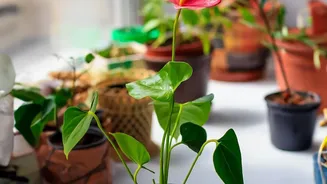
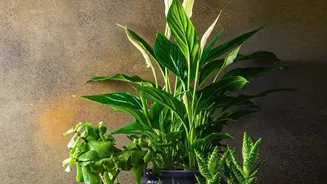
Ferns, calatheas, and peace lilies originally come from tropical and sub-tropical forest floors, where the air is consistently moist. In contrast, our homes, especially when heated or air-conditioned, can have humidity levels as low as 10-15 percent.
This is far below the 40-60 percent humidity range where these plants flourish. When the air is too dry, plants lose moisture through their leaves faster than their roots can absorb it, leading to common signs of distress like browning leaf tips, curling leaves, and a general failure to thrive.
What Exactly Is a Humidity Tray?
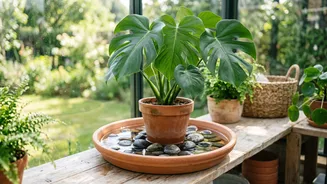
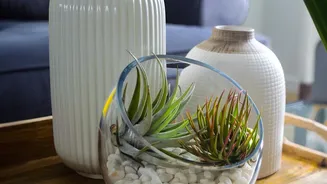
A humidity tray, also known as a pebble tray, is a simple, low-tech tool designed to create a pocket of moist air directly around your plant. It consists of a shallow, waterproof tray filled with a layer of pebbles, gravel, or decorative stones. Water is added to the tray, and the plant's pot sits on top of the pebbles, elevated above the water level. This setup allows the water to evaporate upwards, increasing the ambient humidity right where the plant needs it most—around its foliage.
The Science of a Microclimate
The magic of a humidity tray lies in simple evaporation. As the water in the tray warms to room temperature, it turns into vapor and rises. The pebbles serve a crucial dual purpose: they provide a stable surface for the pot and increase the surface area for evaporation to occur. Most importantly, they keep the bottom of the pot from sitting directly in water, which is critical for preventing root rot. While a single tray won't significantly raise the humidity of an entire room, it creates an effective localized microclimate that can make a huge difference for a sensitive plant.
Creating Your Own Humidity Haven
Making a humidity tray is an easy and affordable DIY project. All you need is a shallow, waterproof tray that is wider than your plant's pot and a bag of pebbles, gravel, or even Leca clay balls. Clean the pebbles and spread them in an even layer across the bottom of the tray. Place your plant pot on top to ensure it sits stably. Then, pour water into the tray until the level is just below the top of the pebbles. The key is to ensure the pot's drainage holes are never submerged in the water.
Best Practices for Healthy Plants
To get the most out of your humidity tray, a little maintenance is required. Check the water level every few days and top it up as needed to ensure a continuous supply for evaporation. To prevent the growth of algae or mold, it's a good practice to clean the tray and pebbles every few weeks. Simply rinse the stones and wash the tray with soap and water before reassembling. For an even greater effect, group several humidity-loving plants together on a larger tray; their combined transpiration will create an even more beneficial pocket of moisture.