



Choose Low-Maintenance Monsoon Champions
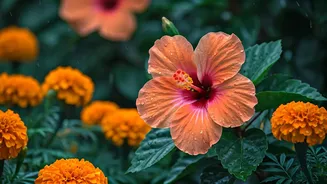
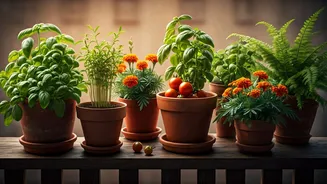
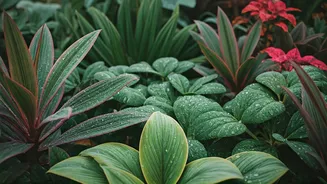
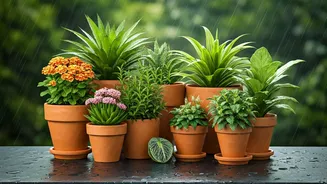
The single biggest time-saver is picking plants that thrive in the Indian monsoon's humidity and intermittent sunlight. Don't fight the weather; work with it. For vibrant flowers, consider balsam (gul mehndi), zinnias, marigolds (genda), and hibiscus.
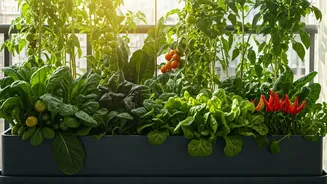
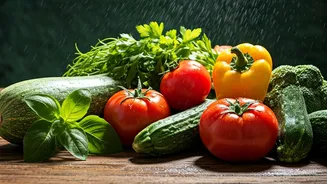
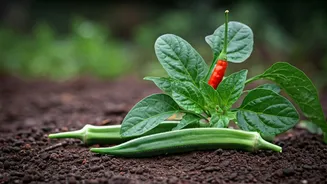
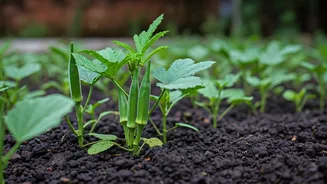
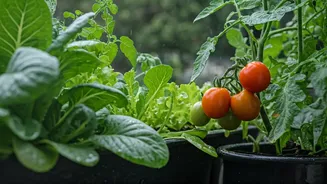
These plants love the damp conditions and bloom profusely with minimal fuss. If you're interested in growing your own food, this is the prime time for leafy greens like spinach (palak) and amaranth (chaulai). Vegetables like okra (bhindi), cucumbers, and chillies also grow vigorously during this season. They sprout quickly and require less attention than their summer counterparts, making them perfect for a busy gardener.
Prioritise Excellent Drainage
The number one enemy of monsoon container gardens is waterlogging, which leads to root rot. You can prevent this major headache from the start. Opt for terracotta or clay pots, as their porous nature allows excess moisture to evaporate. Ensure every pot has at least one, preferably multiple, drainage holes at the bottom. Before adding soil, you can place a layer of small stones, broken pot pieces (thekri), or gravel at the base. This simple step creates a buffer zone that prevents water from stagnating around the roots, saving you the future effort of reviving a dying plant.
Create a 'Set It and Forget It' Soil Mix
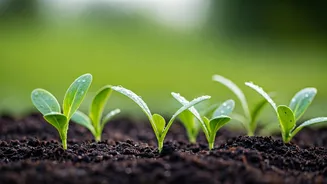
Getting the soil right from the beginning means you won't have to constantly amend it later. A perfect monsoon potting mix should be light, airy, and well-draining. A simple, effective recipe for busy people is one part garden soil, one part cocopeat, and one part compost (like vermicompost). The cocopeat helps retain the right amount of moisture without becoming waterlogged, while the compost provides a slow release of essential nutrients. This balanced mix reduces the need for frequent fertilizing and creates a healthy environment where plants can thrive with less intervention from you.
Embrace Container and Balcony Gardening
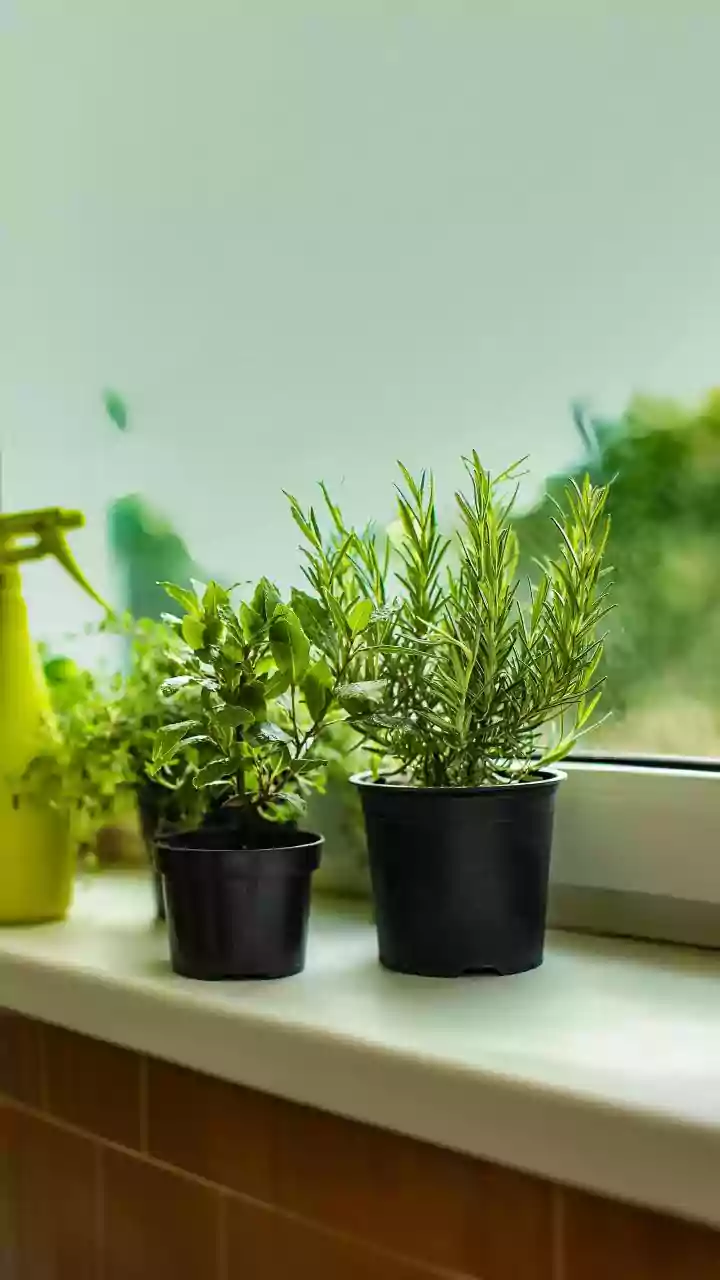
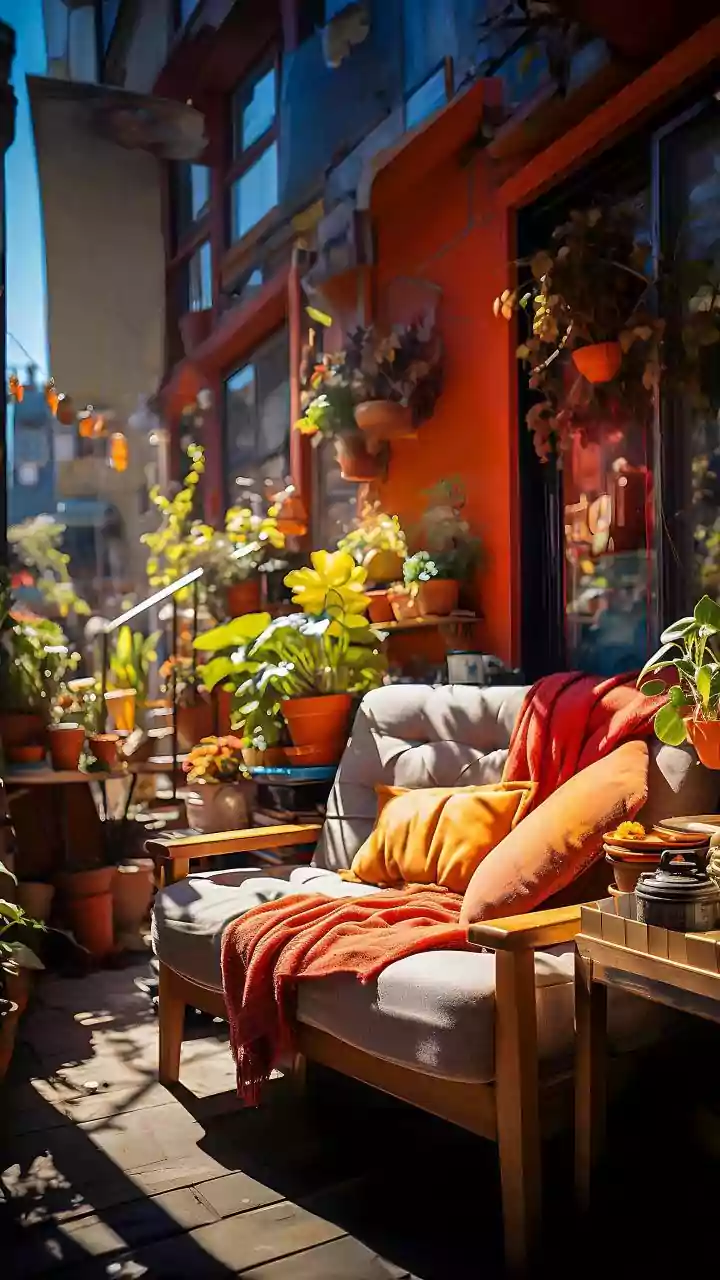
For urban dwellers with limited space and time, container gardening is a blessing. Pots, grow bags, and window boxes give you complete control over the growing environment. You can easily manage soil quality, drainage, and placement. If a particular spot gets too much rain, you can simply move the pot to a sheltered balcony or near a window. This flexibility is invaluable during the unpredictable monsoon. It also contains the mess, making cleanup quick and easy—a major plus when you're short on time.
Adopt a Smart Watering Routine
Here's the best time-saving tip of all: don't water your plants every day. The monsoon will do most of the work for you. Overwatering is a more common problem than underwatering this season. Before you reach for the watering can, simply stick your finger an inch into the soil. If it feels damp, your plant is fine. If it feels dry, then it's time to water. On days with heavy rainfall, your plants won't need any extra water at all. This intuitive approach saves time and is much healthier for your plants.
Use a Simple, Natural Pest Defence
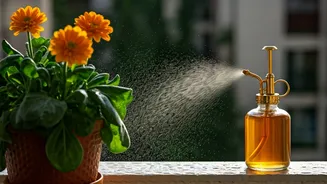
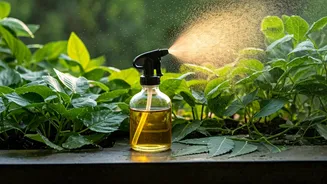
Humidity and dampness invite pests like aphids, mealybugs, and fungal diseases. Instead of complex chemical treatments, keep a simple, all-natural solution on hand. A diluted neem oil spray is your best friend. Just mix a few drops of neem oil with a drop of liquid soap in a litre of water and spray it on your plants once every 10-15 days as a preventative measure. This five-minute task can ward off most common pests and keep your garden healthy without requiring a huge time commitment or a trip to the store for harsh chemicals.