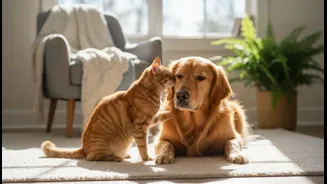









The Science of a Single Interaction
The feeling of calm that washes over you when you stroke a cat’s fur or play fetch with a dog isn’t just in your head; it’s a powerful biological response. Research shows that even brief, positive interactions with animals can trigger the release of oxytocin,
often called the 'love hormone'. This is the same hormone that facilitates bonding between a mother and child. When oxytocin levels rise, levels of the stress hormone cortisol drop, which can lead to lower blood pressure and a reduced heart rate. Studies have demonstrated that just 10 to 15 minutes of petting an animal can produce these measurable physiological benefits. This immediate, tangible effect on our bodies explains why momentary contact feels so good. The key is the positive interaction itself, which boosts feel-good chemicals like dopamine and serotonin, promoting a sense of calm and happiness. This hormonal cocktail happens whether it's your own pet or one you've just met, suggesting the benefit lies in the act of connection.
The Paradox of Pet Ownership
While the benefits of having a pet are widely celebrated, the reality of ownership is far more complex. Studies on whether pet owners are happier or healthier than non-owners have produced mixed results. The reason is that ownership comes with its own set of stressors. The financial costs of food, vet bills, and grooming can be significant. There is also the emotional and mental load of training, worrying about a pet's health, and the daily responsibilities of feeding and cleaning. These pressures can sometimes counterbalance the joy a pet brings, meaning that simply having an animal in your home is not a guaranteed ticket to improved wellbeing. For every owner whose pet enhances their life, another may find the experience to be a source of worry and strain. This is the ownership paradox: the same animal that provides moments of profound comfort can also be a source of significant stress, complicating the overall impact on a person's mental health.
Mindfulness Makes the Moment Matter
Given the complexities of ownership, the focus is shifting towards the quality of the interactions we have with animals. It’s not about the number of hours a pet is in your vicinity, but about the mindful moments you share. A recent study highlighted that being mindfully present during interactions with a dog enhanced the owner's wellbeing. Think about the difference between passively sitting in a room while your cat sleeps nearby versus actively engaging in a play session or a focused cuddle. The latter creates a much stronger hormonal and emotional reward. When you are fully present—not distracted by your phone or other worries—the connection deepens, and the stress-reducing benefits are amplified. This principle applies to both dogs and cats, though the nature of the interaction may differ. A voluntary cuddle with a cat can increase oxytocin for both human and feline, but forcing the interaction can have the opposite effect. This underscores that the quality and attentiveness of the contact are what truly cultivate wellbeing.
No Pet? No Problem
The great news is that you don't need to own a pet to reap these rewards. Since the benefits are rooted in momentary interaction, there are many ways to get your animal fix without the long-term commitment. Spending time at a local cat cafe, volunteering at an animal shelter, or offering to walk a neighbour's dog are all excellent ways to engage in positive, stress-reducing contact. Even short-term interactions, such as those with therapy dogs in hospitals or nursing homes, have been shown to reduce anxiety and loneliness. These encounters provide all the hormonal benefits of oxytocin release and cortisol reduction without any of the financial or logistical burdens of ownership. By seeking out these opportunities, you can intentionally build moments of connection with animals into your life, enhancing your mood and overall sense of wellbeing whenever you need a boost.