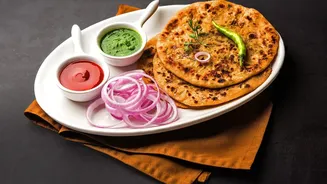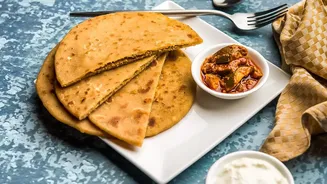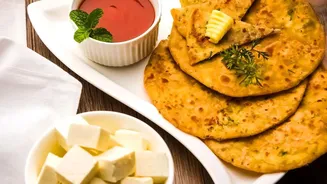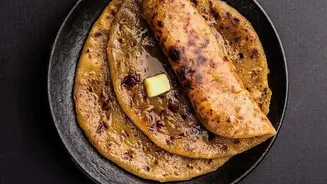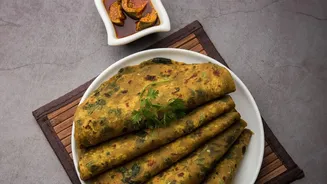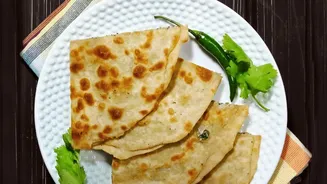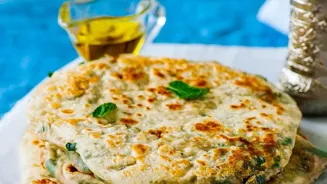

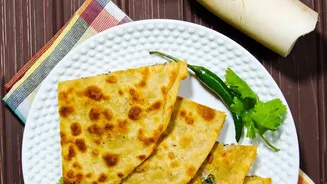

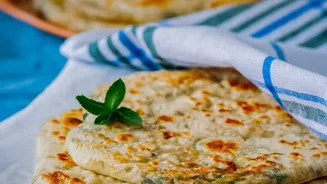
In the world of Indian flatbreads, tradition and innovation are constantly folded together. This Sorghum-Radish Paratha is a perfect example, uniting the rustic, earthy notes of jowar with the fresh, peppery bite of mooli in a single, wholesome dish.
A Perfect Pairing of Flavour and Health
Jowar, or sorghum, has long been a staple grain in many parts of India, celebrated for its robust texture and nutritional profile. Mooli, or radish, is a winter favourite, loved for its crisp texture and pungent flavour that cuts through richer tastes. Combining them in a paratha isn't just a culinary experiment; it's a smart nutritional choice. The natural moisture from the radish helps to soften the otherwise dense jowar flour, making the dough more pliable and the resulting paratha wonderfully soft. The earthy taste of sorghum provides a perfect backdrop for the sharp, zesty notes of radish and spices, creating a balanced and flavourful flatbread that is both comforting and excitingly different.
Nutritional Benefits of Jowar and Mooli
This paratha is more than just a tasty meal; it’s a powerhouse of nutrients. Sorghum is naturally gluten-free, making it an excellent choice for those with gluten intolerance or celiac disease. It's rich in dietary fibre, which aids digestion, helps manage weight by promoting a feeling of fullness, and can help in regulating blood sugar levels. Sorghum is also a good source of essential minerals like iron, magnesium, and phosphorus, which are vital for bone health and cellular function. Radish, on the other hand, is a low-calorie vegetable packed with Vitamin C and antioxidants. It has a high water content and provides dietary fibre, which supports digestive health and may aid in detoxification. Together, these two ingredients create a paratha that is not only light on the stomach but also deeply nourishing.
The Recipe: Jowar-Mooli Paratha
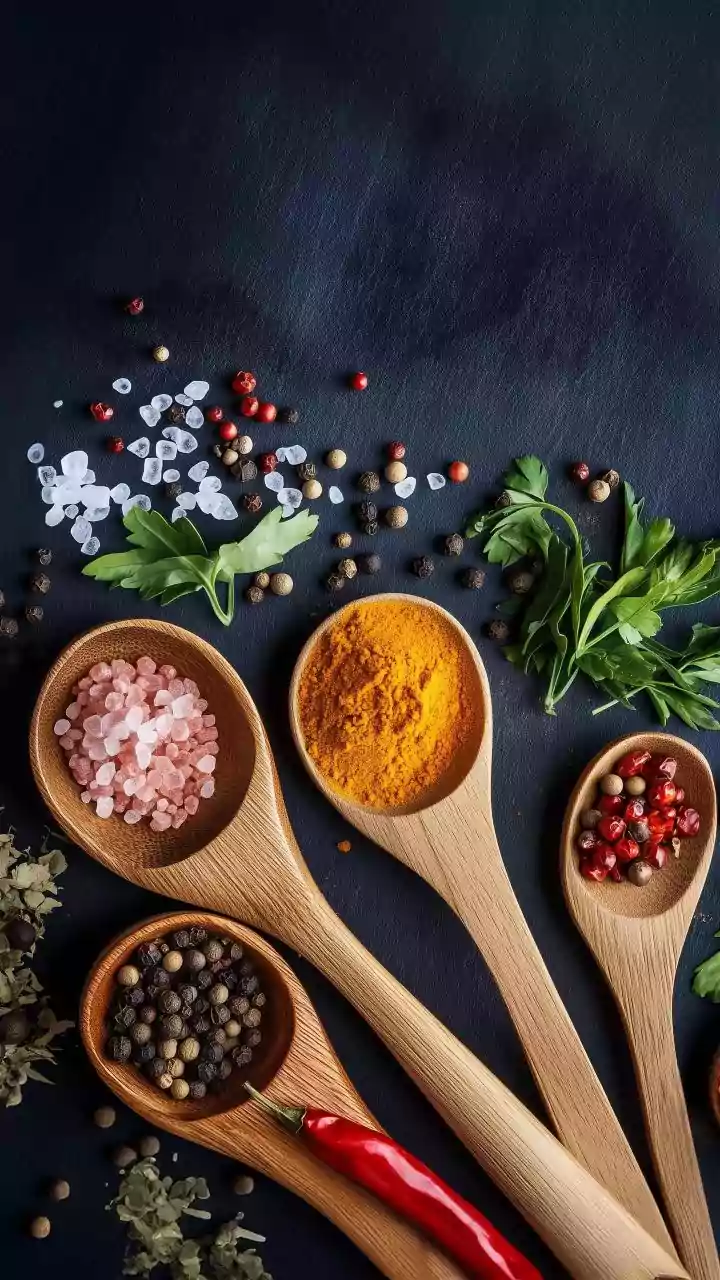
This recipe brings the ingredients together in a simple way, incorporating the grated radish directly into the dough. This method ensures every bite is flavourful and makes the rolling process more manageable. Ingredients: - 1.5 cups Jowar (Sorghum) Flour- 1 cup grated Radish (Mooli)- 1/2 cup finely chopped Radish Greens (optional)- 1-2 Green Chillies, finely chopped- 1 tsp Ginger, grated- 1 tsp Carom Seeds (Ajwain)- 1/2 tsp Turmeric Powder- 1/2 tsp Red Chilli Powder (or to taste)- Salt to taste- Hot water for kneading- Ghee or oil for cooking Method: 1. Grate the radish and sprinkle a little salt on it. Let it sit for 10-15 minutes. Squeeze out all the excess water and reserve it. This step is crucial to prevent the dough from becoming too sticky. 2. In a large mixing bowl, combine the jowar flour, squeezed radish, chopped radish greens (if using), green chillies, ginger, carom seeds, turmeric powder, red chilli powder, and salt. 3. Use the reserved radish water to start kneading the dough. Add more hot water as needed, a little at a time, to form a soft and pliable dough. Knead for 3-4 minutes until smooth. A well-kneaded dough is key for soft parathas. 4. Divide the dough into equal-sized balls. 5. Dust a rolling surface or use a piece of parchment paper. Gently flatten a dough ball and roll it out into a small circle of about 4-5 inches in diameter. Since jowar flour is gluten-free, the edges might crack slightly; this is normal. 6. Heat a tawa (griddle) over medium heat. Place the paratha on the hot tawa. Cook for about a minute until you see small bubbles. Flip it over. 7. Apply a little ghee or oil on the surface and flip again. Gently press with a spatula and cook until golden-brown spots appear on both sides. 8. Serve hot off the griddle.
Tips for Perfect, Soft Parathas
Working with gluten-free flour like jowar can be tricky. Using hot water to knead the dough is essential, as it helps to create steam and makes the dough softer and easier to handle. Don't skip the step of salting and squeezing the radish; excess water will make the dough unmanageably sticky. If you are new to making jowar parathas, try making smaller-sized ones first, as they are less likely to break while rolling and transferring to the tawa. You can also place a dough ball between two sheets of parchment paper or on a plastic sheet and press it down with your fingertips or a flat-bottomed bowl to shape it. These parathas are best served immediately with a side of plain curd, pickle, or a simple vegetable curry for a complete and satisfying meal.