






The Lifeline of the Rural Economy
The southwest monsoon, which delivers about 70% of India's annual rainfall, is the lifeblood for a vast portion of the country's agriculture. Nearly half of India's farmland is rain-fed, meaning millions of farmers depend on these seasonal rains to plant
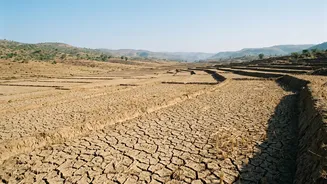
and nurture their Kharif (summer) crops like rice, cotton, and soybeans. The 2026 monsoon season, influenced by El Niño conditions, concluded with a significant rainfall deficit of around 12.6%, making it the weakest since 2015. This shortfall has a direct, immediate impact on crop yields, water reservoir levels, and, most importantly, the income of millions of agricultural households.
From Parched Fields to Empty Pockets
A weak monsoon translates directly into lower farm income. Deficient rainfall during critical growing stages stunts crop development, leading to smaller harvests and reduced output for key crops like cotton, soybeans, and rice. Farmers earn less, and so do the countless landless labourers who rely on farm work for their wages. Nominal rural wage growth has slowed, with real wages even showing a contraction. This income shock forces households to make difficult financial choices. With less money coming in, families have to tighten their belts, a process that begins with a clear distinction between needs and wants.
A Chilling Effect on Spending
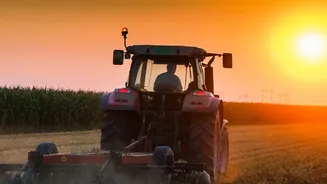
When rural incomes shrink, discretionary spending is the first casualty. The dream of a new motorcycle, a home appliance, or even small indulgences gets put on hold. Recent data from September 2026 shows this trend clearly. Tractor sales, a key barometer of rural sentiment and investment, saw a sharp decline, with major manufacturers reporting drops of over 20%. Sales of entry-level two-wheelers, another indicator of the rural economy's health, have also weakened. Fast-Moving Consumer Goods (FMCG) companies feel the pinch as well. While basic necessities continue to be purchased, there is a noticeable drop in demand for non-essential items. This pullback in spending is a direct consequence of households conserving cash to navigate the uncertain times ahead.
The Ripple Effect on Indian Industry
The slowdown in rural consumption doesn't stay confined to villages; it has a significant ripple effect across the national economy. Rural India is a massive market for a wide range of industries, from automobiles to consumer goods. When this engine sputters, corporate balance sheets feel the impact. Companies that have a large rural footprint often see their sales forecasts trimmed. The weakness in demand for tractors and two-wheelers is a prime example. Similarly, FMCG companies may be forced to offer more promotions and discounts to entice cautious shoppers, potentially squeezing their profit margins. This rural downturn can act as a drag on the country's overall GDP growth, as rating agencies have already begun to lower their agriculture growth forecasts for the financial year.
Government Buffers and Future Outlook
The government has several mechanisms to soften the blow of a poor monsoon. Contingency plans were prepared for vulnerable districts, focusing on drought-resistant seeds and less water-intensive crops. Schemes like the Mahatma Gandhi National Rural Employment Guarantee Act (MGNREGA) can provide a crucial income buffer for rural labourers, while crop insurance programs help farmers mitigate some of their losses. However, these measures may not be enough to completely offset a severe income shock. The focus now shifts to the upcoming Rabi (winter) crop season. The depleted water levels in reservoirs are a major concern for winter sowing, which relies heavily on irrigation. The performance of this next crop cycle, combined with the extent of government support, will be critical in determining how quickly rural shoppers can recover their purchasing power.