








Why Growth Happens During Rest
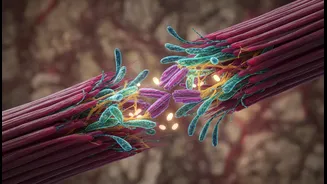
Many of us believe that progress is made only when we are actively exercising. However, fitness gains are not sealed during the last repetition of a set; they are forged during the recovery that follows. When you exercise, you create microscopic tears
in your muscle fibres. This is a normal and necessary stress. The magic happens afterward, when your body gets to work repairing these fibres, making them stronger and more resilient than before. This process of repair and adaptation is how you build strength and endurance. Without sufficient recovery time, you deny your body the chance to complete this crucial cycle. Instead of building tissue, you risk continued breakdown, which can lead to fatigue, plateaus, and an increased risk of injury.
The Difference Between Under-Recovery and Overtraining
It is easy to think you are overtrained when progress stalls, but what's far more common is being under-recovered. Overtraining is a state of prolonged fatigue that occurs over weeks or months and is relatively rare. Under-recovery, however, is widespread and happens when you don't give your body enough resources—like sleep, nutrition, and rest—to cope with the stress of your workouts. The signs are often subtle at first: persistent soreness, feeling sluggish during workouts that used to be easy, irritability, and poor sleep quality. Ignoring these signs and pushing through can turn under-recovery into a more serious issue, leading to mental burnout and injury.
Active vs. Passive Recovery
Recovery isn't just about sitting on the couch. It comes in two main forms: active and passive. Passive recovery is complete rest, which includes activities like getting a full night's sleep or a massage. Active recovery, on the other hand, involves low-intensity movement designed to increase blood flow and help flush out metabolic waste from your muscles. This could be a leisurely walk, a gentle yoga session, swimming, or light cycling. Both types are important. Passive recovery is crucial for deep tissue repair and nervous system restoration, while active recovery on your 'off' days can help reduce muscle stiffness and soreness, making you feel better prepared for your next intense workout.
Essential Pillars of Recovery
Maximising your recovery doesn't require expensive gadgets. It hinges on mastering the basics. Sleep is perhaps the most powerful recovery tool, as this is when your body releases growth hormone to repair tissues. Aim for 7-9 hours of quality sleep per night. Nutrition is the second pillar; your body needs fuel to rebuild. Consuming adequate protein helps repair muscle damage, while carbohydrates replenish the glycogen stores your muscles use for energy. Finally, hydration is critical. Water helps transport nutrients and flush out waste, processes that are essential for muscle repair.
Building a Sustainable Routine
The key to lasting fitness is to view recovery as an integral part of your training plan, not an afterthought. Schedule your rest days and active recovery sessions just as you would your workouts. If you do a heavy leg day on Monday, plan an upper body workout or an active recovery day for Tuesday to allow your leg muscles at least 48 hours to repair. Listen to your body's signals. If you feel persistently fatigued or sore, it might be a sign to take an extra rest day or dial back the intensity. A sustainable fitness journey is a marathon, not a sprint, and integrating smart recovery is what will carry you across the finish line stronger and healthier.