



Beyond the Treadmill
For many young Indians, the pursuit of fitness is becoming a journey of cultural rediscovery. While global trends like HIIT and pilates remain popular, a growing number are turning to traditional Indian physical disciplines that offer more than just a good
workout. This shift isn't about rejecting modernity but enriching it. It’s a search for authenticity, a desire for a holistic approach that connects mind and body, and a way to forge a stronger connection with their own heritage. This generation, digitally native and globally connected, is paradoxically using social media to unearth and popularise practices that are centuries old.
The Way of the Warrior: Kalaripayattu
At the forefront of this revival is Kalaripayattu, one of the world's oldest martial arts, originating in Kerala over 3,000 years ago. Once banned by British colonial rulers, it is now seeing a resurgence, particularly among the youth who are drawn to its combination of fluid, animal-inspired movements, weaponry, and meditative focus. For practitioners, Kalari is more than self-defence; it's a discipline that builds mental resilience, self-confidence, and a deep sense of cultural pride. Gurus and masters note that the practice shapes the entire being, cultivating not just physical prowess but also emotional balance. The inclusion of Kalaripayattu in national events like the Khelo India Youth Games has further boosted its visibility and appeal.
Gravity-Defying Grace: Mallakhamb
Another ancient practice capturing the imagination of Gen Z is Mallakhamb. This traditional sport, which translates to "wrestler's pole," combines gymnastics, wrestling grips, and yoga postures on a vertical wooden pole or rope. Originally developed as a training aid for wrestlers in Maharashtra, Mallakhamb has evolved into a competitive sport that builds exceptional strength, agility, and balance. Its visual spectacle makes it popular on social media, where videos of athletes performing complex, gravity-defying feats attract a new generation of admirers. Now recognised as a sport in over 20 states and featured in national games, Mallakhamb offers a unique blend of art and athleticism that resonates with those looking for a challenging and holistic fitness regimen.
The Enduring Akhara
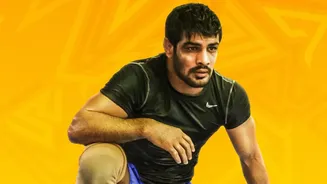
The culture of the akhara, or traditional wrestling pit, also continues to endure. Pehlwani, or Kushti, is a form of wrestling that dates back to the Mughal era, blending Indian Malla-yuddha with Persian influences. For centuries, akharas have been more than just training grounds; they are communities built on discipline, respect for the guru, and a rigorous lifestyle. While modern wrestling is fought on mats, many young wrestlers still train in the traditional mud pits, believing it builds fundamental strength and character. For some, it’s a path to professional sports; for others, it's a way of life that instils discipline and connects them to a long and storied lineage of Indian wrestlers.