





Walk through any university campus or modern office park, and you'll see it: a sharp, clean hairstyle that is equal parts professional and rebellious. The undercut has become a defining look for a generation balancing ambition with personal style.
The Anatomy of an Undercut
At its
core, the undercut is a hairstyle built on high contrast. The back and sides of the head are clipped or buzzed very short, while the hair on top is left significantly longer. What truly defines it is the 'disconnection'—unlike a fade, where the hair gradually blends from short to long, a classic undercut features a distinct, sharp line where the short sides end and the long top begins. This dramatic difference is the haircut's signature, creating a clean, structured silhouette that has kept it popular for over a century. Its origins trace back to the early 20th century, worn by working-class men, soldiers, and gangsters for its practicality before being revived as a mainstream fashion statement.
A Masterclass in Versatility
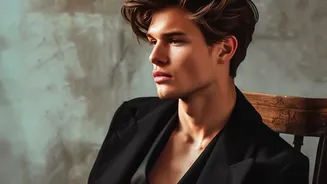
For college students and young professionals, the appeal lies in its incredible versatility. The same haircut can be styled to fit a corporate boardroom, a casual lecture hall, or a weekend outing. For a professional setting, the longer hair on top can be slicked back or neatly parted for a polished, sophisticated finish. For a more relaxed look, a bit of matte styling clay can create a textured, messy style. This adaptability means one trip to the barber provides multiple looks, making it a practical choice for a dynamic lifestyle. It removes bulk from thick hair, making it more manageable, and can even create the illusion of volume for those with thinner hair.
Finding Your Perfect Style
The term 'undercut' is a broad category, not a single haircut. The variations are what allow for true personalization. A 'disconnected' undercut offers that bold, sharp line, while a 'faded' or 'tapered' undercut provides a softer, more blended transition that can feel more conservative and office-appropriate. The hair on top can be styled into a classic pompadour with impressive volume, a sleek comb-over, a forward-swept quiff, or even a simple textured crop that requires minimal daily effort. The length of the sides is also customisable, from a subtle shadow to a bold skin fade, allowing you to control the level of contrast. Consulting with your barber about your face shape and hair type is key; for example, taller styles can help elongate a rounder face.
Styling and Daily Maintenance
Maintaining the sharpness of an undercut is crucial. Most stylists recommend a trim for the sides every two to four weeks to keep the lines clean and prevent the haircut from looking awkward as it grows out. Daily styling depends on the look you want. For a sleek, slicked-back style, a pomade or gel applied to damp hair works best. For a more natural, textured look with a matte finish, wax or clay applied to dry hair is ideal. A blow dryer is a powerful tool for achieving volume and directing the hair before applying any product. While it may look high-maintenance, once a routine is established, styling the top can take just a few minutes each morning.
More Than Just a Trend
While its popularity surged in the 2010s, thanks to pop culture and social media, the undercut has proven to be more than a fleeting trend. Its enduring appeal comes from its ability to adapt. Recent iterations seen in 2026 favour softer blends and more natural texture on top, moving away from the extreme, harsh lines of previous years. It has settled into a classic, reliable option alongside other timeless cuts. For many young men, it represents a confident, deliberate approach to grooming—a way to look sharp and put-together without appearing stuffy or old-fashioned. It’s a statement of modernity and an understanding that style and professionalism can, and should, coexist.