



Start With Forgiving Plants
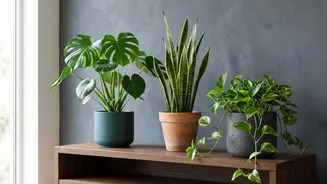
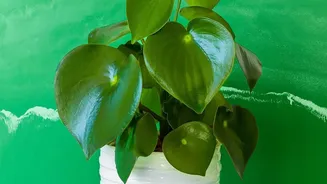
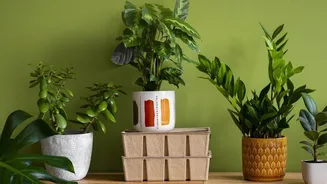
The easiest way to find success is to start with plants that are famously difficult to kill. Forgiving species can tolerate a bit of neglect as you learn. Look for plants like the Snake Plant, ZZ Plant, or Pothos. Snake Plants (Dracaena trifasciata) are sculptural,
thrive in low light, and don't need frequent watering. The ZZ Plant (Zamioculcas zamiifolia) has glossy, dark green leaves and is also extremely drought-tolerant, making it perfect for forgetful waterers. Pothos (Epipremnum aureum) is a trailing vine that looks beautiful on shelves and can handle a variety of light conditions. These plants are popular for a reason: they are resilient and give new plant parents a much-needed confidence boost.
Understand Your Apartment’s Light
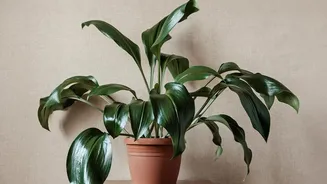
Before buying a plant, assess the natural light in your apartment. A common beginner mistake is placing a sun-loving plant in a dark corner. Observe your windows: south-facing windows typically offer the brightest, most consistent light, while north-facing windows provide the least. East-facing windows get gentle morning sun, and west-facing windows get hot afternoon sun. If your apartment is short on bright spots, don't worry. Many popular houseplants thrive in low to medium indirect light, including the Cast Iron Plant, various palms like the Parlor Palm, and the Peace Lily. Matching the plant to the light you already have is a crucial step for success.
Master the Art of Watering
Overwatering is the most common and fastest way to kill a houseplant. Many beginners think a fixed watering schedule, like every Sunday, is the best approach, but a plant's needs change with the season, light, and humidity. Instead of watering on a schedule, learn to check the soil. The easiest method is the 'finger test': stick your finger about an inch into the soil. If it feels dry, it's time to water. If it feels moist, wait another day or two. Most houseplants prefer their soil to dry out slightly between waterings. This allows roots to get the oxygen they need and prevents root rot, which is often identified by yellowing leaves and mushy stems.
Choose a Pot With Drainage
A beautiful decorative pot might catch your eye, but if it doesn't have a hole in the bottom, you're setting your plant up for failure. Proper drainage is non-negotiable for most houseplants. Without drainage holes, excess water pools at the bottom of the pot, suffocating the roots and leading to inevitable rot, even if your watering technique is perfect. If you fall in love with a pot that has no holes, you can use it as a 'cachepot' or decorative outer pot. Simply keep your plant in its plain plastic nursery pot (which has drainage) and place it inside the decorative one. After watering, let the plant drain completely in a sink before putting it back in the cachepot.
Go Easy on the Fertiliser
New plant owners sometimes think that fertiliser is a miracle cure for a struggling plant, but it's more like a vitamin supplement for a healthy one. Over-fertilising can burn a plant's roots and cause more harm than good. A stressed, newly potted, or dormant plant doesn't need extra food. For beginners, simple is best. During the growing season (typically spring and summer), you can use a heavily diluted, balanced liquid fertiliser once a month. Another simple hack is to use the dregs of your cold black coffee, diluted with water, as a mild, nitrogen-rich treat for certain plants. Or, try slow-release fertiliser sticks that you push into the soil once every few months.
Keep Things Clean and Tidy
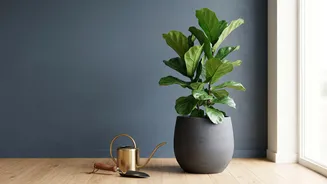
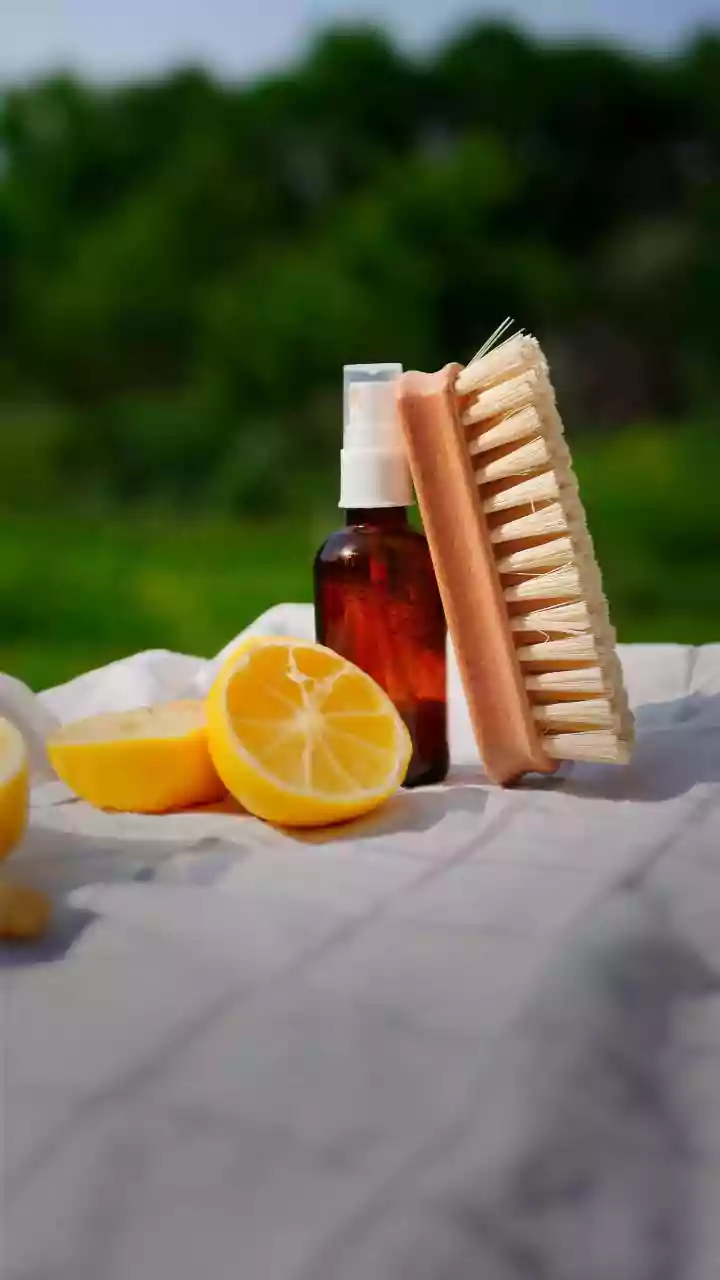
A simple hack for keeping plants healthy and pest-free is to regularly clean their leaves. Dust and grime can build up on foliage, blocking light and hindering photosynthesis. For large-leafed plants like the Monstera or Fiddle Leaf Fig, gently wipe down the leaves every few weeks with a soft, damp cloth. For plants with smaller leaves, a light rinse in the shower can do the trick. This not only keeps your plants looking their best but also helps you spot any early signs of common pests like spider mites or mealybugs, allowing you to address the problem before it becomes a full-blown infestation.