


The sizzle of a hot tawa, the vibrant colours, and the explosion of spicy, tangy flavours—Indian street food is an unforgettable experience. Now, you can capture that magic in your own kitchen, minus the guilt, with these simple and healthy hacks.
Reinventing Pav Bhaji
Mumbai's
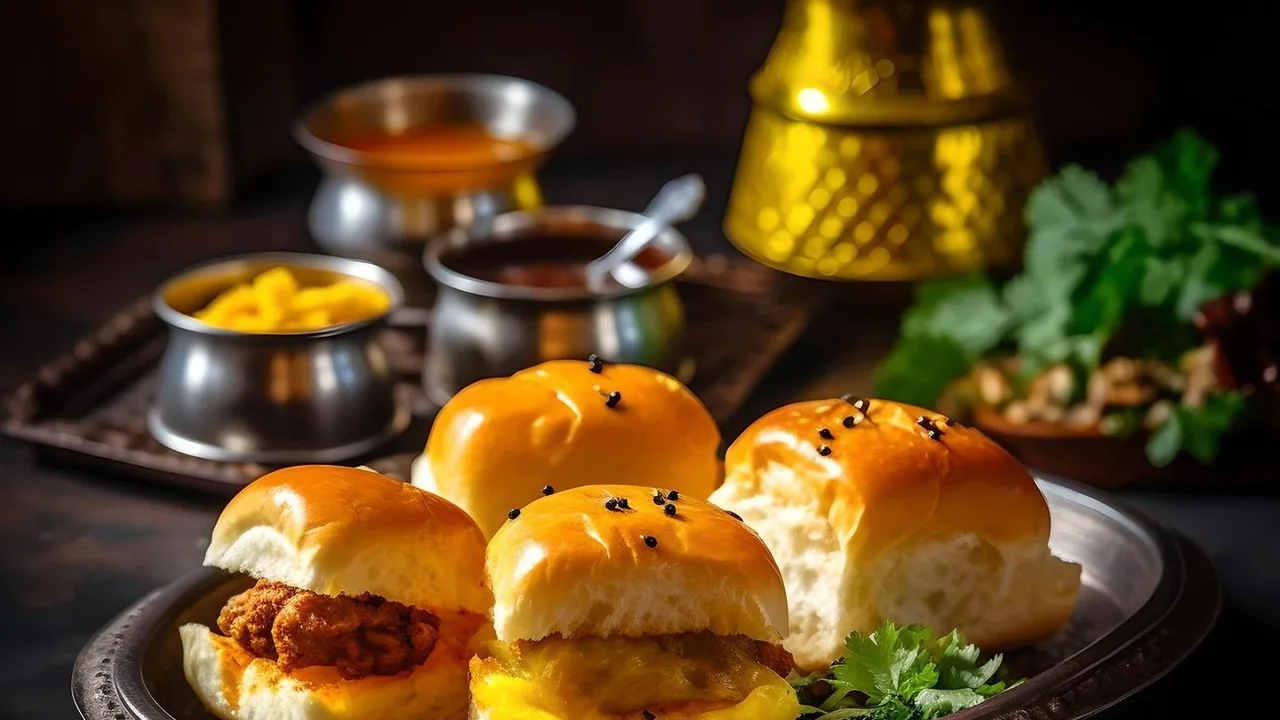
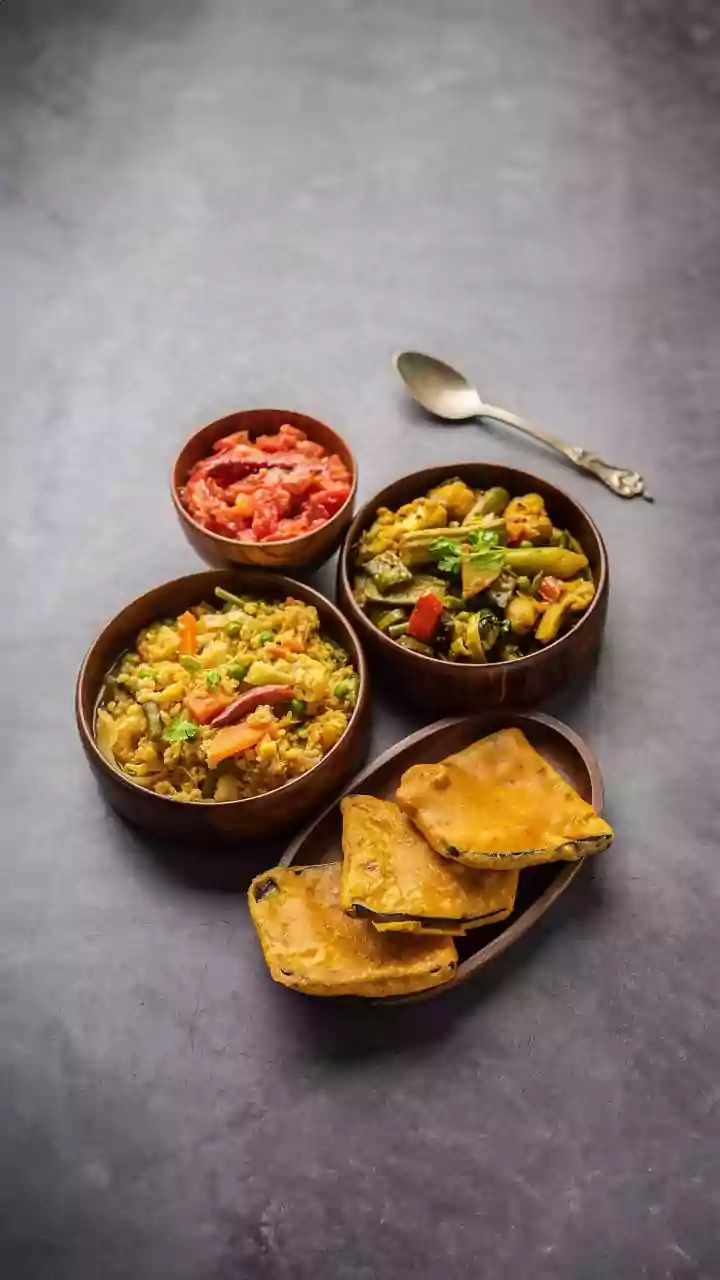
iconic pav bhaji is traditionally rich with butter, but you can easily create a healthier, yet equally delicious, version at home. The secret lies in packing the 'bhaji' with a wide array of vegetables. While potatoes are a staple, you can increase the ratio of carrots, cauliflower, peas, and bell peppers. For a faster cooking time, use a pressure cooker to steam the vegetables until they are soft and easy to mash. Instead of loading it with butter, a base of olive oil or another cold-pressed oil works beautifully to sauté the onions, ginger, garlic, and tomatoes. The heart of pav bhaji is its unique spice blend, or masala, which you can make fresh at home for the most fragrant results. Serve your vibrant bhaji with whole wheat pav (buns) instead of those made with refined flour (maida) for a fibre-rich meal.
The Art of Healthier Chaat
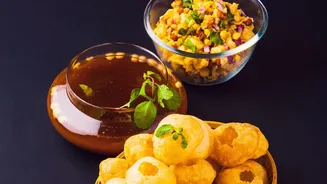
Chaat is a category of snacks defined by its symphony of sweet, sour, spicy, and crunchy elements. To make it healthier, focus on fresh components and smart cooking methods. For dishes like pani puri or sev puri, swap deep-fried puris for baked whole wheat versions or even crackers. You can fill them with boiled chickpeas, moong bean sprouts, and finely diced potatoes for a protein and fibre boost. The chutneys are key. A homemade green chutney from mint and coriander, and a sweet-and-sour tamarind chutney made with jaggery or dates instead of refined sugar, can be prepared quickly and stored. Instead of fried sev, top your chaat with baked chickpea flour noodles (bhujia) or skip it entirely for a lighter snack.
Baked and Air-Fried Samosas
Everyone loves a crispy samosa, but the deep-frying process is a major drawback. The air fryer and oven are your best friends for a healthy makeover. Prepare your favourite potato and pea filling, but encase it in a dough made from whole wheat flour (atta) instead of refined white flour (maida) for added nutrients. Adding a little ghee and a pinch of baking powder to the dough can help achieve a flakier texture, even without deep frying. Whether baking or air frying, a light brush of oil is all you need to get a golden, crispy exterior. Bake at around 180-200°C, flipping halfway, until both sides are perfectly browned. This method drastically reduces the oil content without sacrificing the satisfying crunch.
Leaner Kebabs and Tikkis
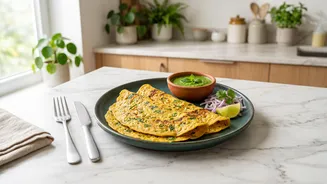
Street-style kebabs and tikkis (patties) are often fried and can be made with higher-fat meats. At home, you have full control. Opt for lean proteins like chicken breast or fish for non-vegetarian options. For vegetarian tikkis, potatoes can be partly replaced with nutrient-dense options like crumbled paneer, tofu, or mashed chickpeas and lentils. Instead of deep frying, pan-sear your patties and kebabs with minimal oil until golden brown on each side, or bake them in the oven. These methods provide a delicious crust while keeping the inside tender and moist. Serve with a fresh salad and a yogurt-based mint dip for a complete and wholesome meal.
Smart Swaps for Everyday Cooking
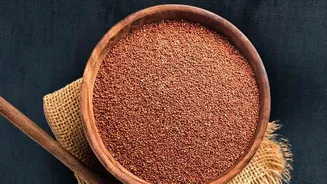
A few simple substitutions can make a big difference in the health profile of your street food creations. Use whole grains like whole wheat flour, brown rice, or millets instead of their refined counterparts. To achieve creamy textures in gravies without heavy cream, consider blending cashews with a little water, or using pureed cauliflower or mushrooms. For sweetness in chutneys and sauces, natural sweeteners like jaggery or dates are excellent alternatives to processed sugar. Finally, making your own spice blends at home not only provides superior flavour from freshly roasted spices but also ensures there are no hidden fillers or excess sodium often found in storebought mixes.