





Start with the Weather Forecast
Before you book anything, become a diligent weather-watcher. The monsoon is not a single, uniform event; it varies dramatically by region. Check the India Meteorological Department (IMD) for the most reliable district-level forecasts and warnings. As
of early August 2026, active monsoon conditions with heavy rainfall warnings are in effect for numerous states, including parts of Uttarakhand, Uttar Pradesh, Punjab, Assam, and Meghalaya. Look for alerts on heavy rain, thunderstorms, and potential landslides. Planning a trip to a coastal area or the mountains requires extra vigilance, as these regions are particularly prone to severe weather. A few days of checking the forecast for your intended destination will give you a much clearer picture of what to expect.
Choose Your Destination Wisely
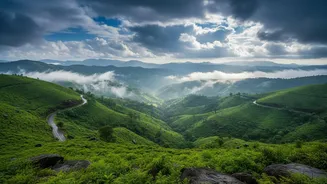
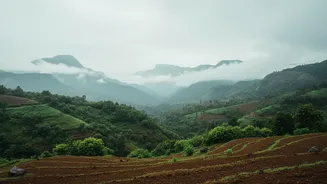
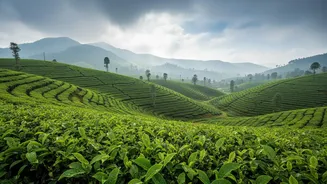
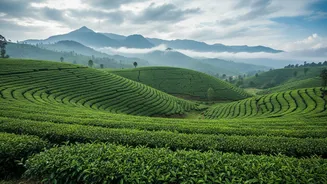
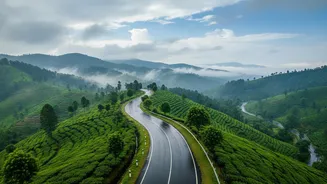
Not all destinations are created equal during the rains. While places like Lonavala, Coorg, and Munnar are famous for their monsoon beauty, they are also in the Western Ghats, a region known for heavy rainfall and potential disruptions. Consider accessibility and safety. It might be wise to choose a destination closer to home to minimise travel time on potentially tricky roads. Some areas, particularly certain parts of the Himalayas, are best avoided due to high risks of landslides. Conversely, regions in the rain-shadow like Ladakh or Spiti Valley see very little monsoon rain and can be excellent alternatives. Destinations in Rajasthan like Udaipur or Mount Abu also offer a unique experience with fewer crowds and replenished lakes, without the intense downpours of the coast.
Pack for Wet and Unpredictable Conditions
Your packing list needs a monsoon-specific upgrade. Forget heavy fabrics; opt for lightweight, synthetic, and quick-drying clothes. A reliable raincoat or poncho is non-negotiable, often proving more practical than an umbrella in windy conditions. Waterproof footwear with a good grip is essential for navigating slippery paths and waterlogged streets; avoid flip-flops or open sandals. Protect your valuables by packing electronics, documents, and cash in waterproof dry bags or double-layered zip-lock pouches. It's also smart to carry a power bank, an emergency kit with basic medicines for fever and stomach ailments, and a potent insect repellent, as the monsoon brings out more mosquitoes.
Navigate Roads with Extra Caution
Driving during the monsoon presents its own set of challenges. Roads can be slippery, full of hidden potholes, and prone to waterlogging. Reduce your speed significantly, maintain a much larger following distance from the vehicle in front, and use your low-beam headlights even in daylight to improve visibility for yourself and others. Avoid driving at night if possible. Be extremely wary of driving through standing water, as it can cause your vehicle to hydroplane or stall, potentially leading to severe engine damage. Before you leave, ensure your vehicle is in top condition, with special attention to tyres, brakes, and windscreen wipers. If you're not confident driving, consider the train as a more reliable alternative, but be prepared for potential delays across all modes of transport.
Prioritise Health and Hygiene
The risk of water-borne and mosquito-borne illnesses increases during the monsoon. Be careful about what you eat and drink. Stick to bottled or filtered water and avoid street food, especially items that are uncooked or have been sitting out. Opt for hot, freshly prepared meals from clean, reputable restaurants. Staying dry is also a health measure, as it helps prevent fungal infections and common colds. Carry a basic medical kit containing antiseptics, bandages, and medication for common issues like colds and indigestion.