



The Seduction of the Visual
It’s impossible to deny the appeal. Quick, highly stylised videos on platforms like Instagram and YouTube have made regional Indian cuisine more accessible than ever. Lesser-known dishes from Uttarakhand, Gujarat, and Varanasi are suddenly finding their
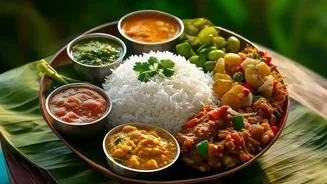
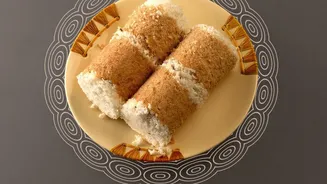
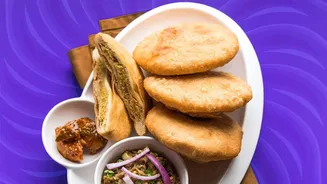
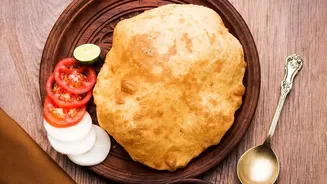
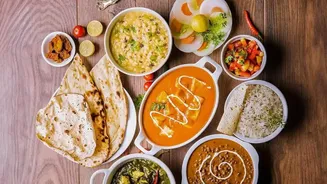
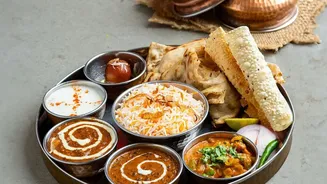
way onto metropolitan tables, celebrated for their explosive flavours and novel appeal. This visual storytelling makes food irresistible, turning dishes like Maharashtrian pithla-bhakri or Bengali shorshe ilish into trending topics. The vibrant colours of a curry or the perfect golden-brown of a freshly fried snack are ideal for a platform that prioritises aesthetics. This digital revolution has been instrumental in sparking curiosity and encouraging a new generation to look beyond the standard restaurant fare. For many, it’s an introduction to the sheer diversity of India’s culinary landscape, and that is certainly something to celebrate.
What the Videos Leave Out
But a dish is more than its final appearance. It’s a product of history, geography, and community. Many of these aesthetic-first videos strip away this essential context, presenting food in a vacuum. A Parsi dhansak, for example, isn't just a lentil stew; it’s a story of migration and assimilation, an adaptation of a Persian dish to the Indian palate. Similarly, the fiery curries of South India and the rich, creamy dishes of the North are a direct reflection of local climate, agriculture, and historical trade routes. When we only see the final product, we miss the 'why'. We miss the story of how Mughal invaders introduced dishes like biryani and kebabs, forever changing North Indian cuisine, or how ancient fermentation techniques led to staples like idli and dosa, which have been part of South Indian diets for over a thousand years.
The Deeper Story of a Meal
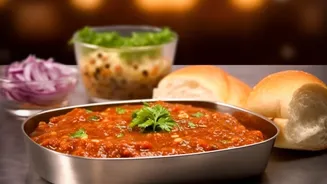
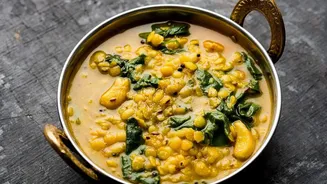
Every ingredient has a history. Every technique tells a tale. Consider khichdi, often seen as simple comfort food. Its origins can be traced back more than two millennia, mentioned in ancient Ayurvedic texts as a nourishing meal and documented by travellers like Ibn Battuta. Or take the humble vada pav, born from the need for a quick, affordable meal for Mumbai's mill workers during a period of rapid industrialization. These stories are not just trivia; they are the soul of the food. They connect a dish to the resilience, ingenuity, and daily lives of the people who created it. Food in India has always been an identity marker, tied to family, community, and tradition. By focusing only on the visual, we risk turning these deeply meaningful cultural artifacts into fleeting trends, easily forgotten when the next viral sensation comes along.
The Risk of a Flat-Packed Culture
When context is removed, authenticity suffers. Recipes get simplified for the sake of a 30-second video, and complex flavour profiles are lost. The 'story' becomes about the creator, not the cuisine. While social media has helped revive interest in traditional foods, it has also created a space where the nuance can be sacrificed for virality. There is a growing demand from diners for more than just a pretty plate; they want to know the history, the origin of the ingredients, and the cultural significance of what they are eating. The current trend of hyper-visual content often fails to meet this need, offering a surface-level engagement that satisfies the eyes but leaves the mind hungry. The revival of regional food should be a celebration of heritage, not just a collection of aesthetically pleasing images.
Moving Towards Richer Storytelling
The good news is that a shift is already happening. A growing number of food writers, historians, and content creators are dedicating their work to preserving the stories behind the food. They are exploring remote kitchens, documenting oral histories, and piecing together the connections between food, memory, and identity. These storytellers show that it's possible to create content that is both beautiful and meaningful. They prove that context doesn't have to be dry or academic; it can be woven into a compelling narrative that makes the food even more appealing. As consumers of this content, we have a role to play too. We can choose to engage with, share, and support the creators who go the extra mile to provide this depth. By seeking out the stories, we enrich our own understanding and help preserve the culinary traditions for future generations.