
The Reality of Plants as Purifiers
The idea that houseplants can clean indoor air became famous after a 1989 NASA study, which found certain plants could remove volatile organic compounds (VOCs) like formaldehyde and benzene in a sealed lab setting. However, modern research provides a more
sober perspective. Studies from institutions like Drexel University suggest that in a typical home with natural ventilation, you would need a huge number of plants—sometimes hundreds—to match the air-cleaning rate of simply opening a window or using a mechanical purifier. A 2022 study did find that common houseplants could significantly reduce nitrogen dioxide (NO2), a pollutant common in urban areas. The takeaway is that while plants are not a magic solution, they are a valuable part of a broader strategy for a healthier indoor environment, contributing modestly to air quality while offering significant aesthetic and mental health benefits.
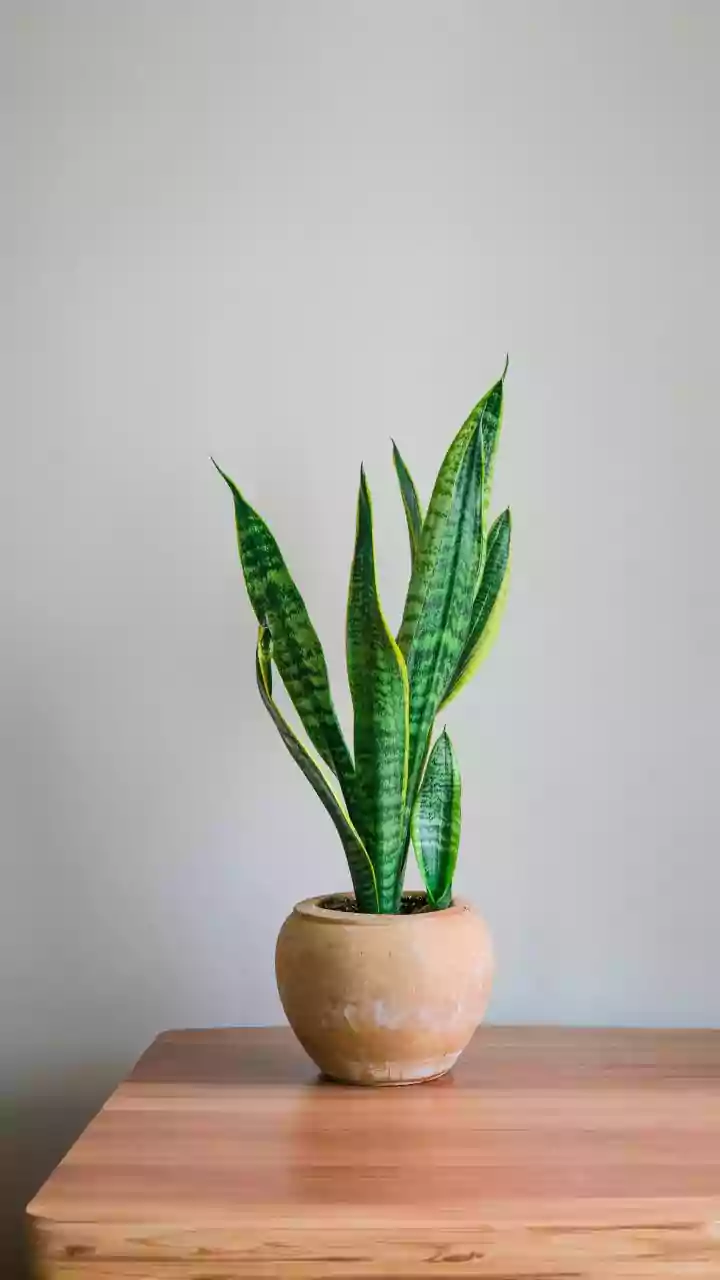
Snake Plant (Dracaena trifasciata)
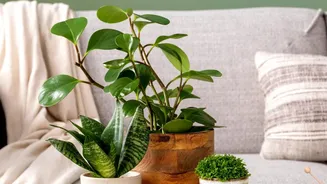
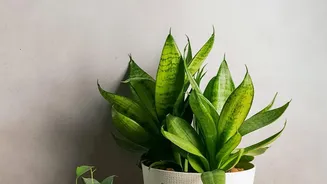
Often called 'mother-in-law’s tongue', the Snake Plant is a renter's dream. It is incredibly resilient, tolerates low light, and requires infrequent watering, making it perfect for those with busy schedules or less-than-ideal lighting. It is particularly noted for its ability to release oxygen at night, which makes it a popular choice for bedrooms. According to NASA's research, it helps filter chemicals like formaldehyde and benzene. Its upright, architectural leaves take up minimal floor space, fitting neatly into corners. Safety Note: The Snake Plant is mildly toxic if ingested by pets, causing symptoms like nausea and diarrhea, so it's best to place it where curious cats and dogs can't nibble on it.
Spider Plant (Chlorophytum comosum)
The Spider Plant is one of the easiest and safest choices for a rental home. It’s non-toxic to pets like cats and dogs, which is a major plus for animal lovers. These plants are highly adaptable and forgiving, thriving in bright, indirect light but tolerating lower light conditions. They look fantastic in hanging baskets, which is a great space-saving trick for smaller apartments and also keeps them out of the way. Spider Plants are known for their ability to combat pollutants like formaldehyde and xylene. They also produce little 'spiderettes' or plantlets that can be easily repotted to create new plants for free.
Areca Palm (Dypsis lutescens)
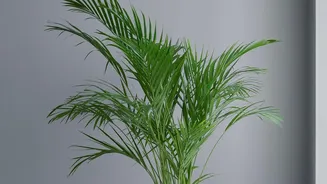
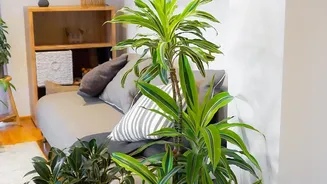
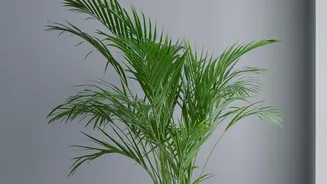
For those looking to add a lush, tropical feel to their living space, the Areca Palm is an excellent choice. Its feathery fronds can make any room feel more vibrant. NASA's study identified it as being effective in removing airborne toxins while also acting as a natural humidifier, which can be a relief during Delhi's dry winter months. It is pet-friendly and non-toxic, making it a safe addition to a home with furry friends. Areca Palms prefer bright, indirect sunlight and consistently moist soil, so they do require a bit more attention than a Snake Plant but reward the effort with their beauty.
Money Plant (Epipremnum aureum)
No list of Indian houseplants would be complete without the Money Plant, also known as Pothos or Devil's Ivy. It is arguably the most common houseplant in India for a reason: it's incredibly hardy and can withstand a range of conditions. It can be grown in soil or just a bottle of water, making it extremely versatile for renters. Its trailing vines can be trained up a wall or left to cascade from a shelf. While known for its air-purifying qualities against common toxins, it is important to note that the Money Plant is toxic to cats and dogs if ingested. Always place it on a high shelf or in a hanging planter, well out of reach of pets.
Peace Lily (Spathiphyllum wallisii)
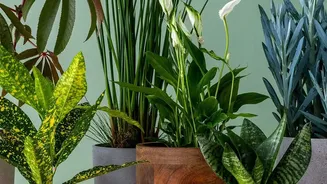
The Peace Lily is an elegant plant that not only offers glossy green leaves but also produces beautiful white flowers. It is consistently ranked as one of the top air-purifying plants in studies, shown to be effective against pollutants like ammonia, benzene, and formaldehyde. One of its most renter-friendly features is its ability to communicate its needs; it visibly droops when it needs water, taking the guesswork out of its care. It thrives in medium to low indirect light, making it suitable for apartments that don't get direct sun. However, like the Money Plant, the Peace Lily is toxic to pets and children if ingested, so careful placement is crucial.