





The Perfume of the Earth: Petrichor
That earthy, deeply pleasant scent that fills the air after the first rain of the season has a name: petrichor. It’s not just the smell of wet dirt. It’s a complex cocktail of molecules released into the air. The main ingredient is a compound called geosmin,
produced by soil-dwelling bacteria. For months during the dry season, these bacteria produce geosmin. When raindrops hit the dry ground, they trap tiny air bubbles. These bubbles shoot upwards, bursting from the water and releasing a fine spray of aerosolised particles—including geosmin—into the atmosphere. This aerosol carries the scent to our noses. Another contributor is the cocktail of oils secreted by plants during dry periods. Rain washes these oils off leaves and rocks, adding a fresh, green note to the petrichor perfume. So, what you’re smelling is a collaboration between bacteria, plants, and the physics of a falling raindrop.
The Awakening Chorus: A Symphony of Life
The silence of a hot summer evening is often broken by a deafening chorus the moment the monsoon arrives. Frogs, toads, and insects that have been dormant for months suddenly spring to life. Many species of amphibians, like the Indian Bullfrog, enter a state of aestivation—a kind of summer hibernation—by burrowing deep into the mud to conserve moisture. The vibrations from the first heavy rains and the subsequent saturation of the soil are their alarm clock. They emerge in massive numbers, driven by the urgent need to feed and breed. The cacophony of croaks you hear is the sound of male frogs advertising their fitness to potential mates. It’s a temporary, frantic celebration of life, a brief window for the next generation to begin before the environment changes again. Winged termites also take to the sky in synchronised swarms, a phenomenon known as nuptial flight, using the soft, damp earth to start new colonies.
The Ephemeral Blooms: Ghost Flowers
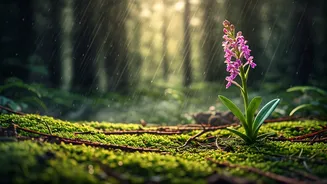
Have you ever noticed delicate, star-like flowers that seem to appear from nowhere just a day or two after a heavy downpour? These are often called rain lilies or fairy lilies. Species from the Zephyranthes genus are a prime example of this magical phenomenon. Their bulbs lie dormant underground, patiently waiting for the right signal. A significant drop in barometric pressure and a thorough soaking from a good rainstorm trigger a rapid hormonal change within the bulb. This prompts the plant to send up a flower stalk at an incredible speed, often blooming within days. This strategy, known as ephemeral blooming, allows the plant to take full advantage of the brief period of moisture and insect activity for pollination. Because they appear so suddenly and vanish almost as quickly, they truly feel like a hidden world revealed only by the rain.
The Fungal Kingdom’s Rush
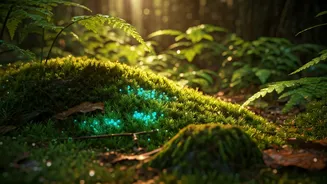
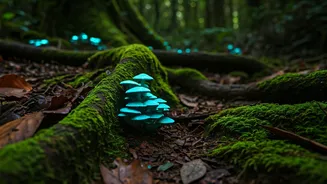
The forest floor is another world transformed by rain. For most of the year, the vast kingdom of fungi exists largely unseen as a sprawling underground network of threads called mycelium. This network acts as nature's great recycler, breaking down dead organic matter. But the mycelium is just one part of the fungal life cycle. The visible mushroom is its reproductive organ, a temporary structure designed to produce and spread spores. The arrival of the monsoon provides the two key ingredients mushrooms need to ‘fruit’: high humidity and moisture. This trigger causes the mycelium to rapidly channel water and nutrients into producing mushrooms. It's why you can walk through a forest one day and see nothing, but return after a night of rain to find it dotted with mushrooms of all shapes, sizes, and colours. From vibrant bracket fungi on tree trunks to classic toadstools on the ground, the rain makes the hidden fungal kingdom visible.