







Turmeric (Haldi)
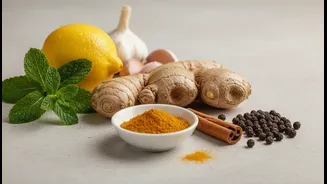
A cornerstone of Indian cooking, turmeric is a powerhouse during the monsoon. Its active compound, curcumin, has potent anti-inflammatory and antioxidant properties that help bolster the immune system. A warm glass of 'haldi doodh' (turmeric milk) before
bed can soothe a sore throat and help prevent common colds and coughs that are rampant this season. Adding a pinch of black pepper enhances curcumin's absorption, making it even more effective.
Ginger (Adrak)
Ginger is another kitchen essential that shines during the rainy months. Known for its ability to aid digestion and fight inflammation, it's a natural remedy for the digestive sluggishness that can accompany humid weather. Gingerol, its main bioactive compound, helps combat infections. Starting your day with a warm cup of ginger tea or adding freshly grated ginger to soups and curries can keep your digestive system and immunity strong.
Garlic (Lehsun)
Don't underestimate the power of this pungent bulb. Garlic is celebrated for its antiviral and antibacterial properties, making it a crucial ingredient for fending off monsoon illnesses. It contains a compound called allicin, which is known to enhance the immune response of white blood cells against viruses like the flu. Incorporating chopped or crushed garlic into your daily meals is a simple way to boost your body's natural defences.
Bitter Gourd (Karela)
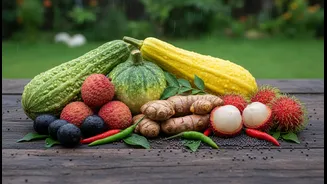
While its bitter taste can be divisive, Karela is exceptionally beneficial during the monsoon. It's loaded with Vitamin C and antioxidants that strengthen immunity. It also aids digestion, helping to prevent common issues like constipation. According to Ayurveda, bitter foods are recommended during this season to help balance the system and ward off infections. Lightly cooked bitter gourd sabzi is a great way to reap its benefits.
Corn (Bhutta)
For many, the sight of roasted corn is synonymous with the Indian monsoon, and for good reason. More than just a delicious snack, corn is a good source of fibre, which supports gut health at a time when digestion can be weak. It's also packed with antioxidants that help protect your cells from damage. Enjoy it roasted with a squeeze of lime and a pinch of salt for a healthy and satisfying treat.
Jamun (Indian Blackberry)
This deep-purple seasonal fruit is a monsoon superfood. Jamun is rich in iron, Vitamin C, and powerful antioxidants called anthocyanins. These nutrients help fight fatigue, boost haemoglobin, and combat seasonal infections. Its properties also make it beneficial for regulating blood sugar levels. Enjoy this fruit fresh while it lasts during the rainy months.
Yogurt (Dahi)
Gut health is paramount during the monsoon, as humidity and a higher risk of water contamination can disrupt your digestive system. Fresh, homemade yogurt is an excellent source of probiotics—beneficial bacteria that support a healthy gut microbiome. Including a bowl of curd or a glass of buttermilk (chaas) with your meals can improve digestion and strengthen your overall immunity.
Lentils and Pulses (Dal)
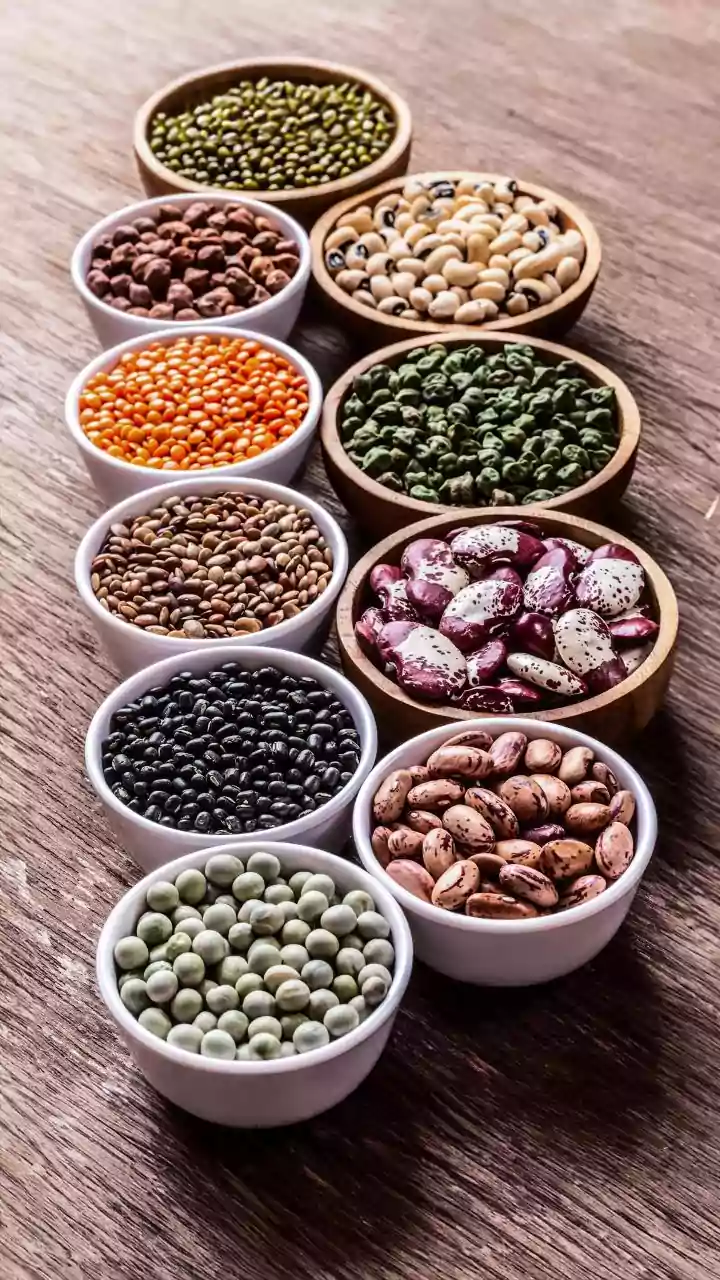
Warm, freshly cooked meals are highly recommended during the monsoon, and dal is a perfect fit. Light and easy-to-digest pulses like moong dal are particularly beneficial. They provide essential protein and fibre without overburdening the digestive system. A simple moong dal soup or a comforting bowl of khichdi makes for a nourishing and safe meal that supports gut health.
Bottle Gourd (Lauki)
Easily digestible vegetables are a wise choice for the rainy season, and bottle gourd is one of the best. With its high water content and fibre, it helps keep you hydrated and prevents digestive troubles like bloating and acidity. It's a light vegetable that can be used to make soups, curries, or even koftas, making it a versatile addition to your monsoon diet.
Pomegranate (Anar)
This jewel-toned fruit is another fantastic choice for boosting monsoon immunity. Pomegranates are packed with powerful antioxidants and have anti-inflammatory properties that help protect the body against infections like the cold and flu. It's a great source of Vitamin C and supports good digestive health. You can eat the seeds directly or add them to salads and yogurt for an extra nutritional punch.