

Seeing the Invisible Light
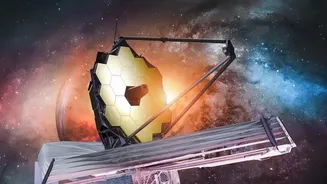
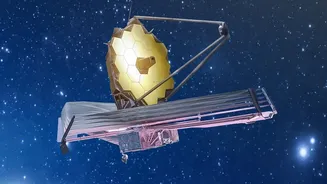
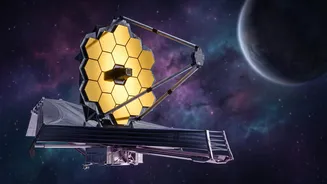
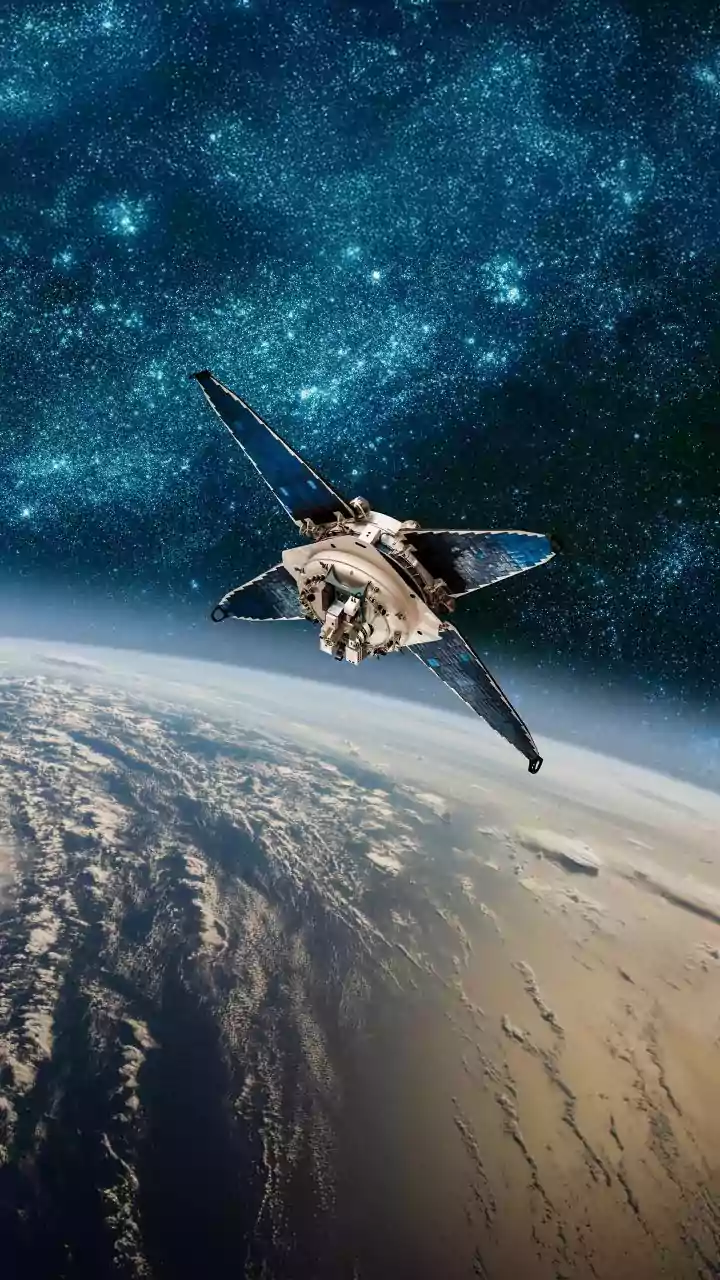
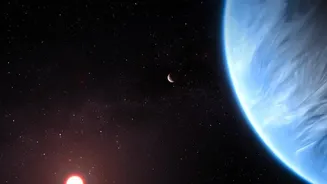
The secret to the James Webb Space Telescope’s power is its ability to see the universe in infrared light. This is a range of light invisible to the human eye, but it carries an immense amount of information. When an exoplanet passes in front of its host
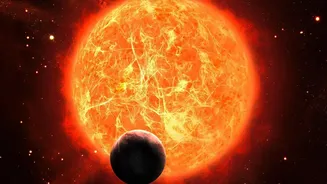
star, an event known as a transit, a tiny fraction of the starlight filters through the planet’s atmosphere. Different gases in that atmosphere absorb specific wavelengths, or colors, of this infrared light. By capturing this filtered light with its advanced spectrographs, JWST can identify the chemical fingerprints of the molecules present. This technique, called transmission spectroscopy, allows scientists to create a chemical inventory of a world hundreds of light-years away, a technological feat that is revolutionizing the field of astronomy.
Reading an Alien Weather Report
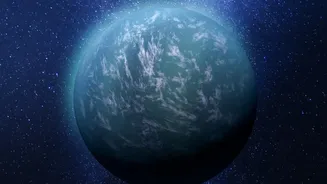
The data JWST sends back is more than just a list of chemicals; it's a window into alien weather and atmospheric dynamics. For instance, on the 'hot Saturn' exoplanet WASP-39 b, the telescope detected not only water vapor and carbon dioxide but also sulfur dioxide. The presence of sulfur dioxide was a landmark discovery, suggesting active photochemistry is taking place—a process where high-energy light from the star drives chemical reactions in the atmosphere, similar to how our own ozone layer is formed. This provides concrete evidence that the atmospheres of these giant planets are not static but are dynamic environments shaped by their parent stars. The detailed data even gave hints that the planet’s cloud cover is broken up rather than a single, uniform blanket.
A Universe of Surprising Worlds
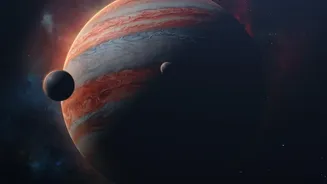
Each exoplanet observed by JWST tells a unique story. Take WASP-107b, a bizarre, low-density world often called a 'super-puff' planet. It’s nearly the size of Jupiter but has only a fraction of its mass. JWST's instruments peered into its fluffy atmosphere and found evidence of water vapor, sulfur dioxide, and clouds made of silicate sand. Even more surprising was the lack of methane. The absence of this common gas suggests the planet's interior is significantly hotter than models predicted, possibly because it is being stretched and heated by the gravitational pull of its star in an eccentric orbit. In a dramatic display of this stellar influence, the telescope has even observed helium from the planet's atmosphere escaping into space in real-time, forming a massive tail.
From Gas Giants to Rocky Planets
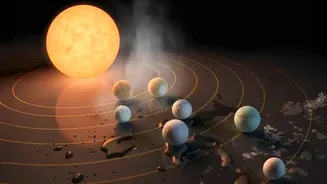
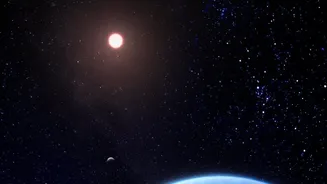
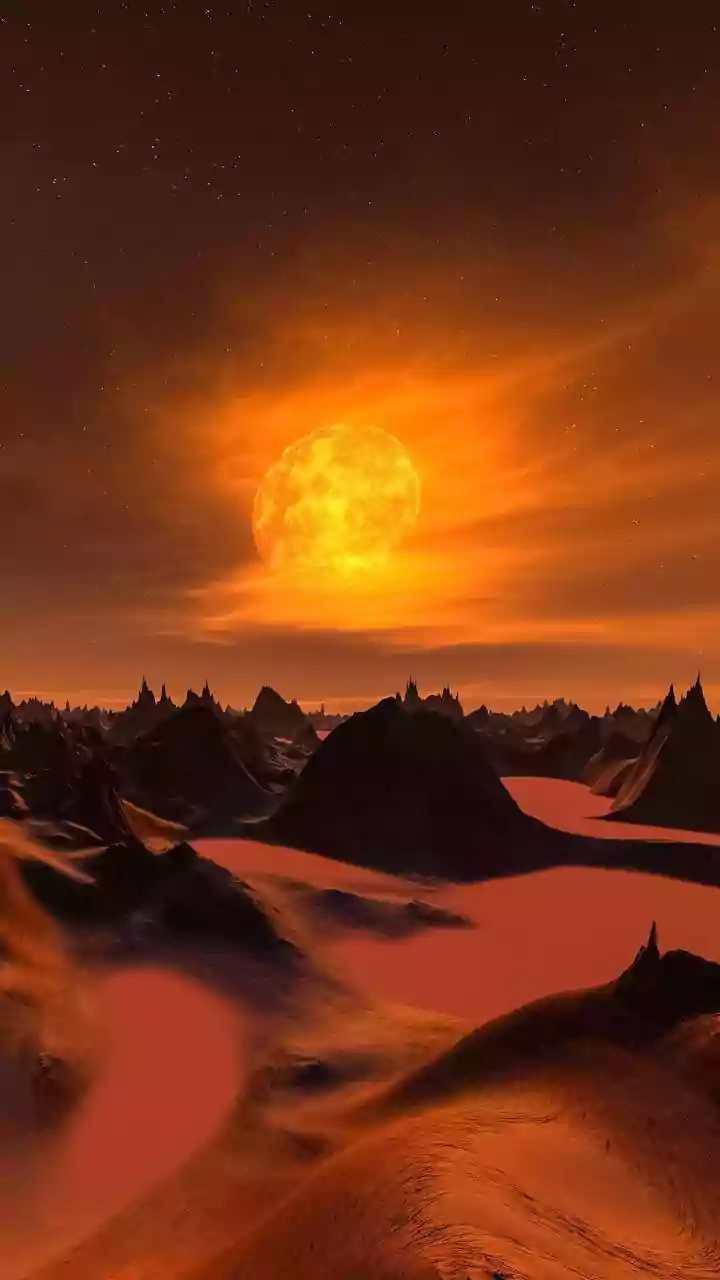
While puffy gas giants make for fascinating case studies, a major goal is to study smaller, rocky planets that could potentially be more Earth-like. This is incredibly challenging because their atmospheres are much thinner. Yet, JWST is already making breakthroughs. It performed the first-ever thermal emission measurement of a rocky planet as cool as those in our solar system when it studied TRAPPIST-1 b, essentially taking its temperature from light-years away. In another first, scientists used the telescope to directly analyze the surface geology of a super-Earth named LHS 3844 b, revealing a dark, hot, and barren rock that likely has no atmosphere at all. These initial steps are paving the way for future studies that will hunt for atmospheric clues on planets within their star's habitable zone.