


Understanding the Three Layers of Light
Before you buy a single bulb, it's helpful to understand the professional's secret: layered lighting. Instead of relying on one harsh overhead light, designers think in three layers that work together. First is 'ambient light', the general, all-over illumination
that lets you see and move around safely; think of it as the foundation. Second is 'task lighting', which is focused light for specific activities like reading, cooking, or working at a desk. Finally, 'accent lighting' is the decorative layer that adds drama and personality. It draws attention to things you want to highlight, like a piece of art, a textured wall, or a beautiful plant. By combining these three types, you create a space that is both functional and full of character.
Building a Foundation with Warmth
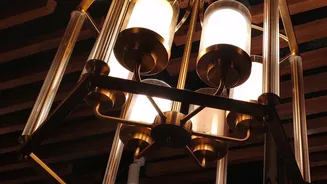
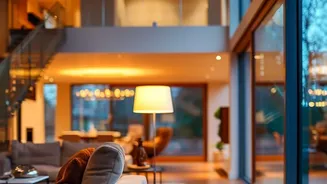
The first and most impactful layer is your ambient light. This is what sets the primary mood of the room. In Indian homes, where spaces are often used for everything from relaxation to family gatherings, a warm and inviting atmosphere is key. This is achieved not just with fixtures like chandeliers or ceiling lights, but with the 'colour temperature' of the bulbs themselves. Opt for bulbs in the 2700K to 3000K range. This produces a soft, yellowish glow that mimics candlelight or the evening sun, making a room feel cosy and welcoming. A single, dimmable chandelier in the living room or elegant flush-mount fixtures can provide this foundational warmth, tying the whole space together.
Placing Light for Purpose and Function
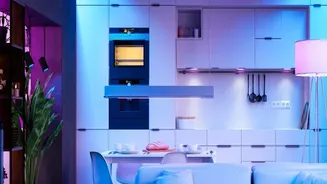
Once your base layer of ambient light is established, you can add focused task lighting. This is the practical layer that makes your home more liveable. Think about the activities you do in each room. In the living room, a stylish floor lamp next to a sofa creates a perfect reading nook. In the kitchen, under-cabinet LED strips are a game-changer, illuminating countertops for food preparation without casting shadows. For a home office or a child's study area, a dedicated desk lamp is essential to reduce eye strain. Even bathrooms benefit from good task lighting, with lights around the mirror providing clear, accurate illumination for grooming. Task lighting ensures that your home is not just beautiful, but also perfectly functional.
Adding Character with Indian Accents
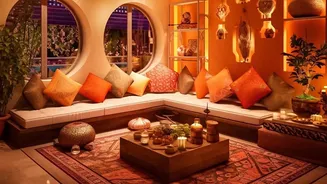
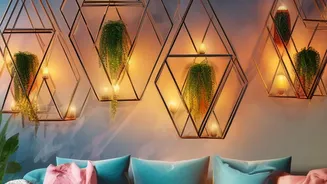
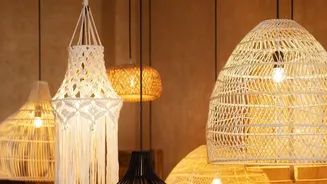
Accent lighting is where you can truly let your personality shine and infuse a distinctively Indian character into your home. This layer is all about creating focal points. Use a spotlight to highlight a cherished piece of Tanjore art or a family portrait. Wall sconces, especially those with traditional motifs, can flank a doorway or a console table, adding a touch of elegance. One of the most beautiful techniques is backlighting a 'jaali' or carved wooden screen; this creates an intricate play of light and shadow that is quintessentially Indian. Don't forget traditional lighting elements themselves. A cluster of brass 'diyas' or a tall 'samai' (standing oil lamp), even when unlit, can become a sculptural focal point when illuminated by a small, discreet spotlight. Modern interpretations include lamps made of brass, copper, terracotta, or those with shades made from jute or woven fabrics.
Modern Ideas for a Touch of Drama
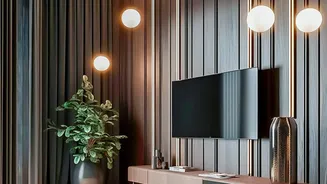
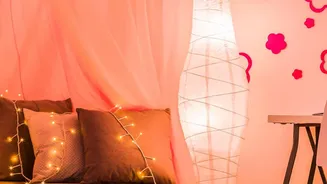
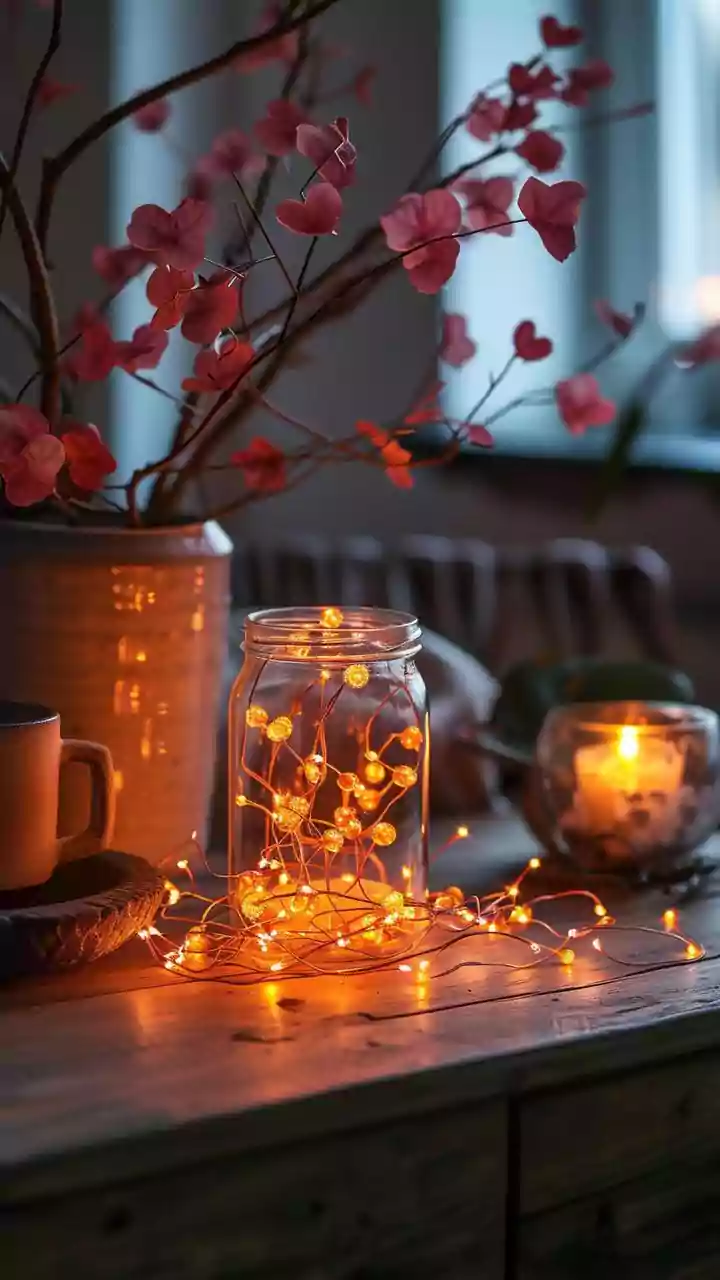
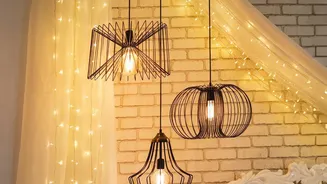
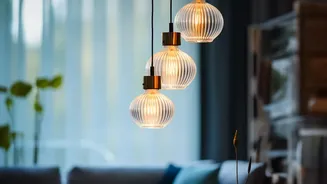
Beyond traditional forms, modern lighting solutions offer new ways to add character. LED strip lights are incredibly versatile and have become very popular in Indian homes. They can be hidden in false ceilings for a soft, hotel-like glow, placed behind a headboard for a floating effect, or used to outline a TV unit. For larger spaces like a double-height living room, a statement 'jhoomar' or a contemporary chandelier acts as a stunning centerpiece. Pendant lights are another flexible option; a row of them can define a kitchen island or a single, beautiful pendant can create an intimate atmosphere over a dining table. Even simple string lights, often reserved for festivals, can be used year-round on a balcony or draped in a bedroom to create a whimsical, cosy ambience.