

Understanding the Slow-Decorating Movement
Slow decorating is the antidote to the pressure of having a “finished” home overnight. It’s a mindful and sustainable approach that prioritizes personality over perfection and longevity over fleeting trends. Instead of buying an entire room of furniture
in one go, the philosophy encourages you to collect pieces over time that you truly love and that tell your story. This approach is not only more economical but also results in a space that is unique, deeply personal, and less likely to feel dated in a year. It’s about releasing the idea of a finish line and allowing your home to evolve with you. This reduces stress, buyer's remorse, and the waste that comes from impulse purchases driven by trends.
The Art of Living With a Room
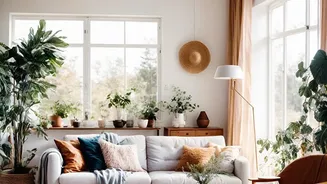
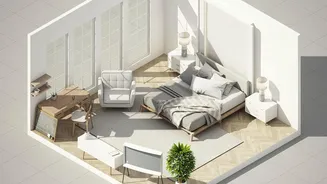
Before you can decorate with intention, you must become an observer in your own home. “Living with a room” means taking time to understand its unique characteristics before you add or subtract anything. Pay attention to the natural light. Where does it fall in the morning versus the afternoon? How does it change with the seasons? Notice the daily traffic patterns. Where do people naturally walk? Where do you instinctively drop your keys or kick off your shoes? Understanding these functional realities is crucial. A beautiful armchair is useless if it blocks a major pathway, and a dark-colored sofa might feel gloomy in a room that doesn't get much sun. This observation period allows you to design for your actual life, not an imagined one.
Test Before You Commit: Paint and Finishes
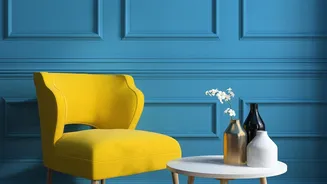
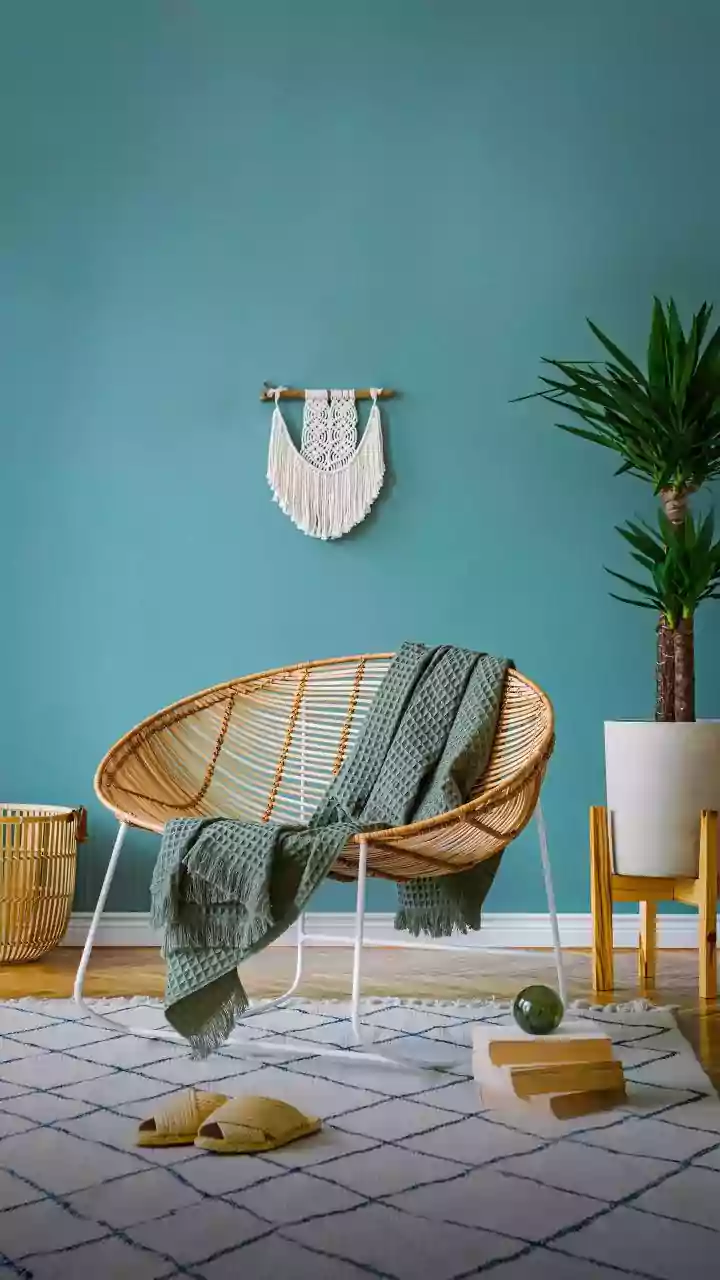
Paint is one of the most transformative and relatively inexpensive changes you can make, but choosing the wrong color is a common mistake. Never choose a color based on a small chip at the hardware store. Instead, buy sample pots and paint large swatches on different walls within the room. Observe these swatches over several days, noting how they look in the bright light of midday, the warm glow of sunset, and under your artificial lighting at night. This simple step can save you from the headache and cost of repainting an entire room. The same principle applies to flooring, tiles, or wallpaper. Always get samples and live with them in the space for a while before making a final decision.
Visualize Furniture and Scale
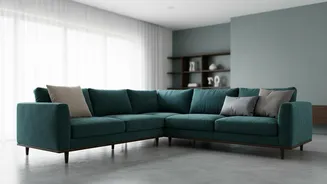
One of the biggest decorating challenges is getting the scale of furniture right. A sofa that looked perfect in a vast showroom can easily overwhelm a small living room. To avoid this, use simple tools to visualize items before you buy. Blue painter's tape is a designer's secret weapon: use it to mark the dimensions of a potential rug, sofa, or dining table on the floor. This gives you a real-world sense of how much space the item will occupy and how it will affect circulation. You can also use cardboard boxes to simulate the mass of larger items like armchairs or side tables. For the more tech-savvy, augmented reality (AR) apps allow you to virtually place 3D models of furniture into your room using your phone's camera, offering a realistic preview.
The Benefits of Patience
Embracing the slow-decorating ethos and living with your room before buying has numerous benefits. Financially, it prevents costly mistakes and spreads expenses out over time. Environmentally, it encourages considered purchases of quality items that last, reducing waste and the churn of fast furniture. Most importantly, it leads to a home that genuinely reflects who you are. The process of slowly layering meaningful objects, from a piece of art found on vacation to a grandparent's refurbished chair, creates a narrative. It builds a sanctuary that supports your well-being, reduces stress, and feels truly and authentically yours.