
A Return to the Roots
For decades, 'Indian food' on a global stage was often defined by a handful of rich, North Indian dishes. While delicious, this shorthand overlooked the subcontinent's staggering diversity. Now, a shift is underway. Chefs and home cooks are turning away
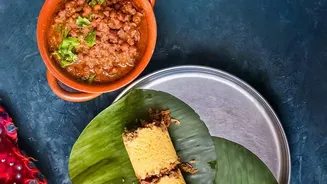
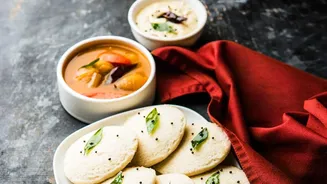
from standardised menus and looking inward, exploring the hyperlocal ingredients that define India’s varied culinary landscapes. This movement isn’t about abandoning tradition but celebrating its depth. Visionary chefs are championing everything from foraged Himalayan herbs to forgotten coastal vegetables, treating these ingredients with modern techniques to unlock new layers of flavour. This renewed focus on regionality is bringing 'Indianness' to the forefront, celebrating the unique stories and flavours of each state.
The King of Limes Goes Modern
One of the stars of this movement is Bengal's Gondhoraj Lebu, the 'king of limes'. Known less for its juice and more for its intoxicating floral aroma, this lime has traditionally been squeezed over dal and fish. Today, its fragrant zest is finding its way into a host of modern creations. Chefs are infusing it into everything from gin and beer to cheesecakes, sorbets, and even chocolate bonbons. The unique appeal lies in its ability to add a complex, aromatic freshness without the sharp sourness of a regular lime, making it a versatile player in both desserts and cocktails.
Sour, Spicy, and Sophisticated
Along the Western coast, Kokum (Garcinia indica) is undergoing a similar transformation. Traditionally used as a souring agent in fish curries and to make the cooling drink 'sol kadhi', its unique tart and slightly sweet profile is now being explored by innovative chefs. Instead of just simmering in a pot, kokum is now appearing in ceviche, where it provides a uniquely Indian acidity, as well as in risottos, dessert glazes, and even artisanal coffee preparations. Meanwhile, from the Northeast, the Bhut Jolokia or Ghost Pepper is also shedding its old reputation. Once known purely for its world-record-breaking heat, chefs are now learning to harness its fruity, smoky undertones. Used in controlled amounts, it adds a complex, layered spiciness to hot sauces, marinades, and even chocolates, moving beyond shock value to sophisticated flavour.
The Grain Revolution
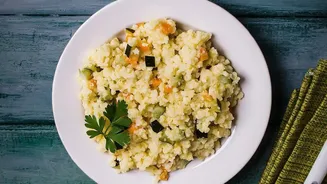
It’s not just spices and fruits getting a modern makeover. Ancient grains, once staples in rural households, are making a powerful comeback. Millets like ragi, jowar, and bajra, long overshadowed by polished rice and wheat, are now celebrated for their nutritional benefits and versatility. These gluten-free powerhouses are no longer confined to traditional rotis or porridge. Today, they form the base of trendy salads, energy bars, and breakfast bowls in urban cafes. Jowar is cooked like couscous for grain bowls, ragi flour is used in pancakes and dosas, and bajra adds texture to hearty soups, showcasing how these humble ingredients can adapt beautifully to contemporary lifestyles.