

The Golden Rule of Desert Plants
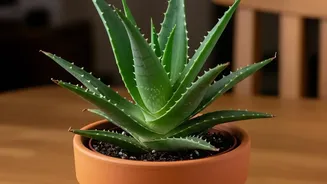
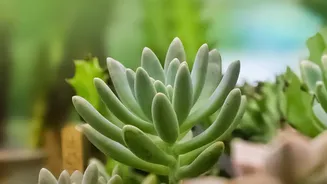
Indoor desert plants, like succulents and cacti, evolved in arid environments where rainfall is infrequent but heavy. Their entire biology is built around this cycle of drenching and drought. They have fleshy leaves, stems, and roots designed to store
water, allowing them to survive long dry spells. This is why the most common cause of death for these hardy plants is not neglect, but overwatering. When soil stays constantly wet, the roots can't get the oxygen they need to breathe and begin to decay, a condition known as root rot. This makes the plant vulnerable to fungus and disease, which can quickly prove fatal.
Why Your Watering Can Matters
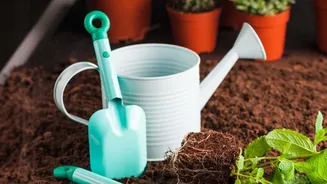
The advice to use a small watering can isn't just about aesthetics; it's about control. A small can, especially one with a long, narrow spout, allows you to deliver water precisely to the base of the plant, right where it’s needed. This prevents you from accidentally drenching the leaves or crown, which can promote rot. Using a large pitcher, a glass from the kitchen, or a bulky outdoor can often results in an unintentional flood, delivering far more water than intended and saturating the soil for too long. A mini watering can or a squeeze bottle gives you the precision necessary for these sensitive plants, helping you avoid the number one killer: too much love in the form of water.
Mastering the 'Soak and Dry' Method
The most effective technique for watering desert plants mimics their natural habitat and is called the 'soak and dry' method. Instead of giving your plants small, frequent sips, you should water them thoroughly. Pour water slowly and evenly over the soil until it runs freely from the drainage hole at the bottom of the pot. This ensures the entire root system gets access to moisture. After this deep soak, do not water the plant again until the soil has completely dried out from top to bottom. This drought period is just as crucial as the watering itself, as it encourages strong root growth and prevents the dreaded rot.
Reading the Signs: When to Water
Forget a strict calendar schedule. The best way to know when to water is to check the soil. Stick your finger about an inch or two into the soil; if it feels dry, it's time to water. If you feel any moisture, wait a few more days and check again. Another reliable method is to judge by weight; a pot with dry soil will feel noticeably lighter than one with wet soil. The plant itself will also give you clues. Wrinkled, shriveled, or deflated-looking leaves are a sign of thirst. Conversely, leaves that are soft, mushy, or translucent are the classic signs of an overwatered plant. When in doubt, it's always safer to wait a little longer before watering.
The Foundation: Soil and Drainage
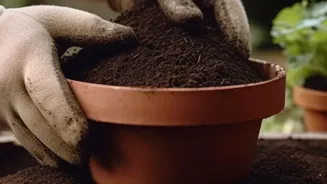
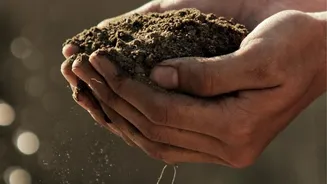
Even the best watering technique will fail without the right foundation. Proper drainage is non-negotiable for succulents and cacti. This means two things: a pot with at least one drainage hole and the right kind of soil. Standard potting mix holds too much moisture and can lead to root suffocation. You must use a specialized, well-draining cactus or succulent soil mix, which is typically gritty and porous. This allows water to flow through quickly and helps the soil dry out evenly, providing the airy environment desert plant roots need to thrive. If you've fallen for a decorative pot without a hole, it's best to use it as a 'cachepot' by placing a smaller plastic pot with drainage inside it.