


Start with the Occasion
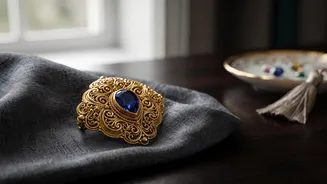
The first step in choosing a brooch is considering the event. A grand wedding or festive celebration calls for a more ornate, statement piece. Think brooches with kundan or polki work, intricate enamel detailing, or those studded with semi-precious stones.
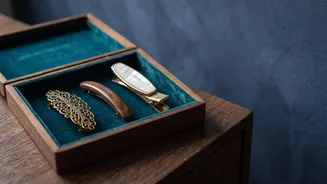
These larger, more dramatic pieces stand up well against the richness of wedding attire. For formal dinners, work events, or daytime functions, a more subtle and refined brooch is appropriate. Minimalist metal pins, antique-finish designs, or smaller, nature-inspired motifs add a touch of sophistication without overwhelming your look.
Match the Brooch to the Fabric
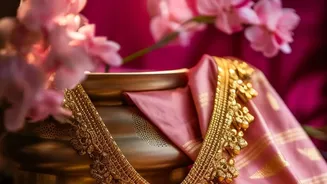
The weight and texture of your outfit's fabric are crucial. Heavy, structured materials like Banarasi silk, velvet, or brocade can support a substantial, visually weighty brooch. In contrast, lightweight and delicate fabrics such as chiffon, georgette, or organza require a lighter brooch to prevent the material from tearing or puckering. Pinning through a single layer of fine silk should be avoided; it is always better to pin through multiple layers or a seam. For delicate fabrics, placing a small piece of felt behind the material before pinning can help distribute the weight.
Perfecting the Placement on a Saree
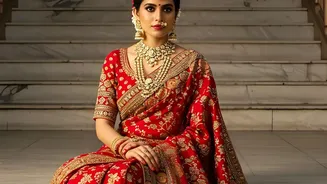
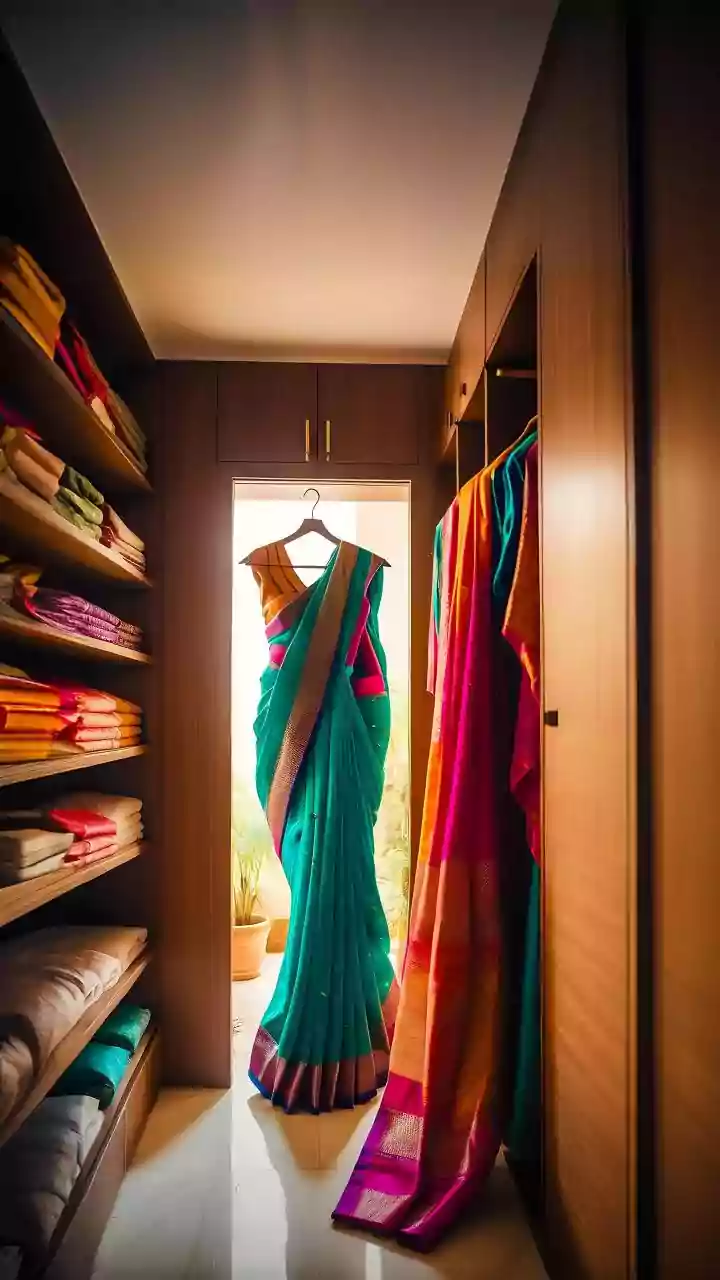
On a saree, a brooch is both functional and decorative. The most common and practical placement is on the shoulder, where it secures the pallu to the blouse. This keeps the drape in place while adding an elegant focal point. For the popular nivi drape, this is typically on the left shoulder. For a more contemporary feel, you can pin a small brooch at the centre of a high-neck or boat-neck blouse. Some drapes, like the Gujarati style, offer opportunities to pin the brooch at the hip or use it to gather pleats beautifully. You can even use a brooch as a hair accessory, pinning it above a low bun for a regal touch.
Styling with Lehengas and Kurtas
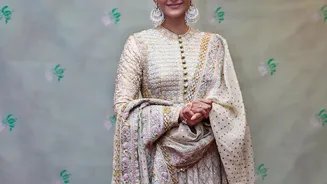
With lehengas, a brooch can be used to fasten the dupatta to the shoulder of the choli, much like with a saree. Alternatively, pinning it at the waist where the dupatta is tucked can draw attention to the lehenga's intricate work. For kurtas, placement depends on the style. A brooch pinned just below the collarbone on the left side is a classic look. On a simple kurta, a bolder brooch can become the centrepiece, while a kurta with heavy embroidery benefits from a smaller, more understated pin. This applies to men's attire as well; a well-chosen brooch can elevate a kurta, sherwani, or bandhgala, adding a touch of royal charm.
Harmonize with Your Overall Look
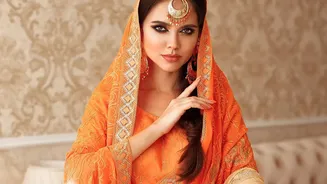
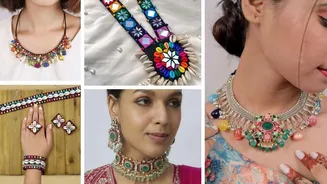
A brooch should complement, not compete with, your outfit and other jewellery. If your saree or lehenga has heavy embroidery, opt for a simpler brooch. If your outfit is plain, a bold, oversized brooch can add the perfect amount of drama. Coordinate the metal tones; a gold-plated brooch pairs naturally with traditional gold jewellery, while silver-toned pieces create a sleek, elegant look. Remember the principle of balance: if you are wearing a statement necklace and heavy earrings, choose a smaller brooch or consider placing it in your hair to avoid crowding the neckline.