



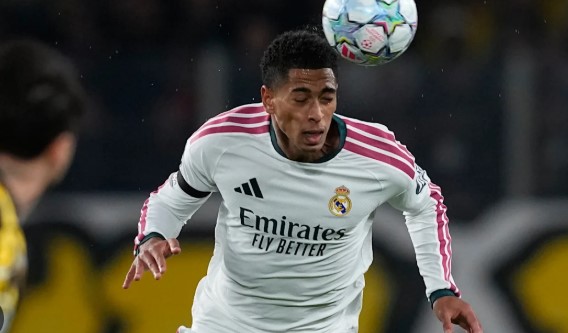
In football, some things feel inevitable. With Real Madrid in the Champions League, it’s the opposite: nothing is over until the final whistle. This is the story of how a club turned improbable comebacks into its defining feature.
The Mystique of the Bernabéu
The legend of the comeback,
or 'remontada', is intrinsically linked to the club's iconic stadium, named after former president Santiago Bernabéu. There’s a famous warning in European football: '90 minutes in the Bernabéu is a very long time'. This phrase, born from decades of last-gasp drama, captures the psychological power of the arena. For visiting teams, the steep stands and deafening noise can create a suffocating atmosphere, amplifying pressure and forcing errors. For Madrid's players, it’s a source of immense belief. When the crowd senses a shift in momentum, an almost mystical energy courses through the team, convincing them that the impossible is within reach. This fusion of fan expectation and player response creates a unique tactical advantage, turning the stadium itself into a 12th man that opponents dread.
The Miraculous Run of 2022
No period better exemplifies this phenomenon than the knockout stages of the 2021-22 Champions League. It was a campaign that defied all logic. In the Round of 16, Madrid were down 2-0 on aggregate to a dominant Paris Saint-Germain with just 30 minutes to play. A sensational 17-minute hat-trick from Karim Benzema turned the tie on its head. The quarter-final against defending champions Chelsea was even more dramatic. After winning the first leg, Madrid found themselves trailing 3-0 in the second leg at the Bernabéu, on the verge of elimination. But a moment of magic from Luka Modrić set up a goal for Rodrygo to force extra time, where Benzema once again sealed the victory.
The Night Logic Died
The semi-final against Manchester City was perhaps the most staggering comeback of all. After a thrilling 4-3 loss in the first leg, Madrid were losing 1-0 in the second leg as the clock hit 90 minutes. Needing two goals just to survive, their chances were statistically near zero. Then, in the space of 89 seconds, substitute Rodrygo scored twice, sending the Bernabéu into delirium and forcing extra time. Benzema calmly converted a penalty in the extra period to complete a 6-5 aggregate win that left the football world stunned. Winning the final against Liverpool cemented one of the most improbable Champions League runs in history, built on a foundation of successive, logic-defying comebacks.
A Legacy Forged in Belief
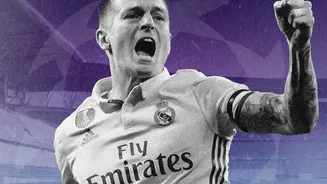
This comeback culture isn't a recent development. The 'Spirit of Juanito', named after the legendary forward from the 1980s, established the tradition. The club has a history of turning around significant firstndegit deficits, such as against Derby County in 1975 and Borussia Mönchengladbach in 1985. This historical precedent fosters a powerful mindset within the club. Players who wear the white shirt are expected to have an unshakable self_belief. You rarely see panic in their body language when trailing; instead, there is a calm conviction that they will find a way to win. This psychological resilience, passed down through generations, is the invisible force behind the miracles. It's a refusal to accept defeat that is woven into the very fabric of the club.