



Defining the Diets
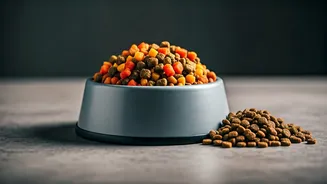
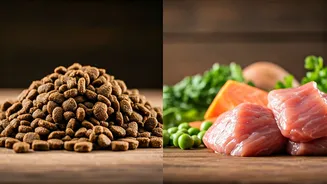
First, let's understand what we're talking about. Kibble is the dry, crunchy pellet food that most of us grew up seeing. It's made by mixing ingredients, cooking them at high temperatures in a process called extrusion, and then drying them out. This process gives
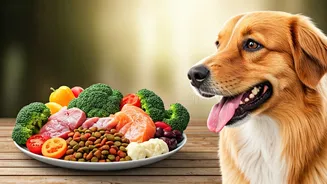
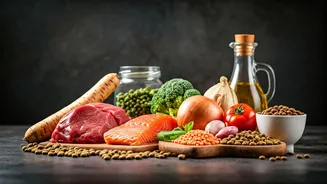
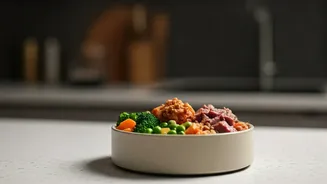
it a very long shelf life and makes it easy to store. Freshly prepared food, on the other hand, consists of gently cooked, whole ingredients like meats, vegetables, and grains. These meals are minimally processed, contain no preservatives, and much like human food, require refrigeration.
The Nutrition Showdown
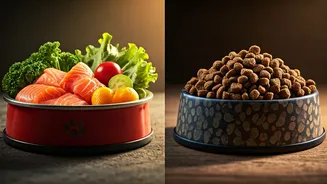
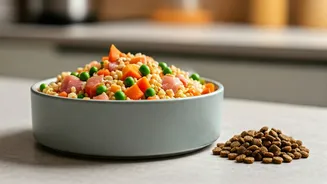
The core of the debate lies in nutrition. Proponents of fresh food argue that the high-heat manufacturing process of kibble can destroy some natural nutrients, which then have to be added back in synthetic form. Fresh food, being gently cooked, is believed to retain more of its natural vitamins and minerals. This minimal processing also makes it highly digestible, which can be a boon for dogs with sensitive stomachs or picky appetites. However, reputable kibble brands are formulated to provide complete and balanced nutrition, meeting strict standards. A high-quality kibble can be a perfectly healthy choice for many dogs.
Convenience Vs. Preparation
Kibble is the undisputed champion of convenience. You can buy it in large bags, store it in a cupboard, and simply scoop it into a bowl. It's perfect for busy households and for travelling with your pet. Fresh food requires more planning. It needs to be kept in the fridge or freezer and has a much shorter shelf life once opened. While many fresh food companies in India now offer convenient pre-portioned delivery services, it still involves more logistical management than a bag of kibble.
The Cost Factor
There's no sugarcoating it: fresh food is more expensive. The use of human-grade ingredients, small-batch cooking, and the need for a cold chain for delivery all add to the cost. On a per-meal basis, fresh food can cost two to five times more than even premium kibble. While kibble is more budget-friendly upfront, some fresh food advocates argue that the higher nutritional quality could lead to lower vet bills for diet-related issues like skin allergies in the long run.
What About Hydration and Health?
A key difference often overlooked is moisture content. Fresh food typically contains around 70% moisture, whereas kibble contains only about 10%. This means pets on a fresh diet get a significant amount of hydration from their food, which is beneficial for kidney function, especially in India's hot climate. Many owners who switch to fresh food report seeing improvements in their pet's coat, energy levels, and digestion. On the other hand, the hard, crunchy texture of kibble can help reduce plaque and tartar buildup on teeth.
The Veterinarian's View
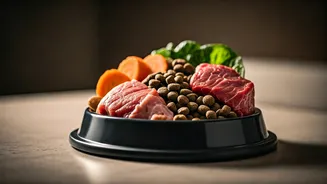
Most veterinarians agree that the most important factor is not whether the food is fresh or dry, but whether it is complete and balanced for your pet's specific life stage and health needs. Many vets caution that homemade fresh diets are often nutritionally incomplete unless formulated by an expert. While fresh commercial diets are gaining acceptance, a high-quality kibble from a reputable company that invests in scientific research is still considered a safe and healthy choice. The consensus is clear: discuss your pet's dietary needs with your vet before making any changes.