







From Pit Stop to Main Attraction
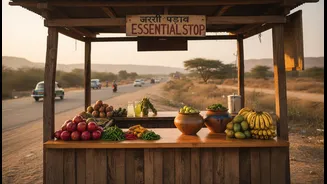
For decades, the Indian highway was dominated by the dhaba—roadside eateries originally serving truckers with hearty, rustic Punjabi food. They were reliable, familiar, and an integral part of the travel experience. Today, however, the definition of a roadside meal
is expanding dramatically. While classic dhabas are still beloved, a new movement is gaining momentum. Travelers are now actively searching for home kitchens, small family-run establishments, and eateries specializing in hyper-local cuisines that were previously known only to residents. This shift is driven by a growing desire among both domestic and international tourists for authentic cultural immersion, moving beyond commercialized restaurants to find the true taste of a region.
The Search for Authentic Flavours
What’s fuelling this change? A collective craving for authenticity. Modern travelers are increasingly rejecting standardized menus in favour of unique, story-rich food experiences. They want to taste the dal that a family has been perfecting for generations, the specific spice blend of a small community, or a regional dish that isn't available in big cities. Culinary tourism in India is booming, with reports indicating that food-loving travelers spend more and are eager to engage with local communities. This quest has been amplified by social media, where food bloggers and travel influencers showcase hidden gems, turning previously unknown kitchens into must-visit landmarks. A single Instagram post can chart a new course for hundreds of travelers, all seeking that perfect plate of authentic cuisine.
Empowering Local Communities
This trend is more than just a win for adventurous foodies; it's a powerful engine for local economies. Many of these emerging kitchens are run by women and families, providing them with newfound financial independence and entrepreneurial opportunities. By turning their culinary skills into a business, home chefs are not only generating income but also preserving and promoting their unique food heritage. As culinary tourism grows, it contributes directly to small-scale businesses, farmers, and artisans, creating a sustainable ecosystem where travelers’ curiosity helps local traditions thrive. This economic empowerment is particularly significant in rural areas, where such opportunities can be transformative.
How to Find Your Next Great Meal
Finding these local kitchens is part of the adventure. While some iconic dhabas are landmarks in their own right, discovering home kitchens often requires a bit more effort. Digital tools are a traveler's best friend: food and travel blogs, YouTube vlogs, and geo-tagged posts on Instagram are invaluable resources. Look for pop-up dining experiences, cooking classes hosted in local homes, and food walks that guide you through a city's culinary backstreets. Don't be afraid to ask for recommendations from locals. Often, the most unforgettable meals are found in unassuming places that don’t have flashy signboards but are packed with residents—a sure sign of quality and authenticity.