



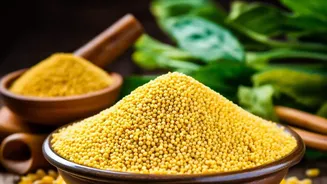
Not All Millets Are Created Equal
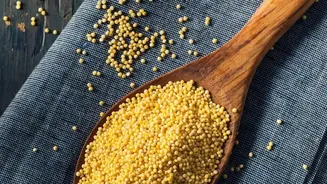
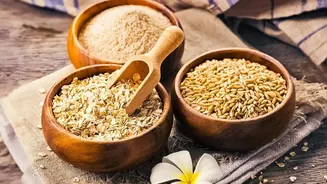
Think of the term 'millet' like the word 'lentils'. You wouldn't cook red masoor dal the same way you cook whole black urad dal, right? One turns into a creamy puree, while the other holds its shape. Millets are a diverse family of small-seeded grains,
and they behave just as differently in the kitchen. From the robust, earthy flavour of bajra to the mild, fluffy texture of foxtail millet, treating them all the same is the fastest way to a disappointing meal. Understanding their individual characteristics is the key to unlocking their delicious potential. Each grain has a specific profile that makes it ideal for certain dishes, whether it's a soft porridge, a chewy flatbread, or a light, rice-like pilaf.
The Flavour Spectrum: From Nutty to Neutral
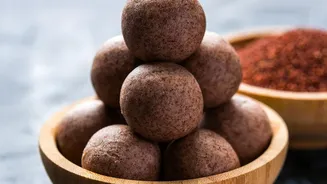
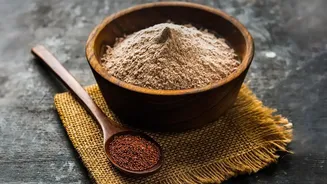
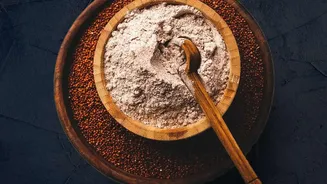
The taste of millets varies significantly. Jowar (sorghum) is the gentle giant, offering a mild, slightly earthy, and neutral flavour that makes it incredibly versatile for everyday cooking. This makes it a great starting point for beginners. Bajra (pearl millet), on the other hand, is bold and distinctive, with a strong, nutty, and slightly bitter taste that stands up to powerful accompaniments like garlic chutney. Ragi (finger millet) has its own unique profile, with a pleasant earthy and malty taste that gives dishes like dosas and porridge a characteristic deep, rustic flavour. Then there are the milder options like foxtail millet and proso millet, which are slightly sweet and nutty, making them excellent, unintimidating substitutes for rice.
A Guide to Texture: Fluffy, Chewy, or Creamy
Texture is where many first-time millet cooks get stuck. The final mouthfeel depends entirely on the type of millet and the cooking method. Small millets like foxtail, little, and barnyard millet cook up light and fluffy, much like rice or quinoa, making them perfect for upma and pilafs. Other grains, like whole jowar and kodo millet, have a more satisfyingly chewy bite when cooked. The amount of water you use can also transform the texture. With a standard 1:2 or 1:2.5 grain-to-water ratio, you get separate grains. But if you increase the water to a 1:3 or 1:4 ratio and stir more frequently, you can turn millets like little millet and foxtail millet into a creamy, porridge-like dish, similar to polenta.
Common Mistakes That Ruin the Experience
Many people give up on millets after one bad attempt, but the fix is usually simple. The most common error is not washing the grains properly, which can leave behind dust and a muddy aftertaste. Another pitfall is using a one-size-fits-all water ratio; each millet absorbs water differently, so a ratio that makes foxtail millet fluffy might leave kodo millet hard and undercooked. Soaking is also crucial. For smaller millets like little or foxtail, a 30-minute soak is enough to soften the outer layer for even cooking. Larger, tougher grains like jowar or kodo benefit from several hours of soaking. Finally, always let cooked millets rest off the heat for 5-10 minutes. This allows the steam to redistribute, resulting in perfectly firm and separate grains instead of a mushy clump.
Your First Millet: A Simple Starter Plan
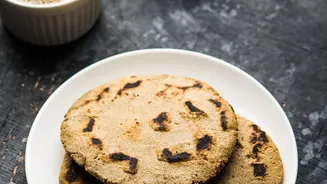
Feeling overwhelmed? Don't be. The best way to start is to pick one or two 'beginner-friendly' millets. Jowar is often recommended as the best starting point due to its very mild, neutral taste that easily blends into familiar dishes like rotis. If you're looking for a rice substitute, foxtail millet or barnyard millet are excellent choices. They cook relatively quickly and have a light texture and mild flavour that won't feel dramatically different from what you're used to. Try making a simple upma or pulao with foxtail millet first. Once you're comfortable with one, you can branch out and explore the bolder flavours of ragi or bajra in dishes like dosas or bhakris. The journey into millets is a gradual exploration, not an all-or-nothing switch.