


A Tradition Gets a Modern Twist
The humble mukhwas, a staple digestive aid and palate cleanser, has long been a part of Indian culinary culture. Served after meals in homes and restaurants, it's a tradition steeped in aroma and flavour. Historically, the industry has been largely unorganised,
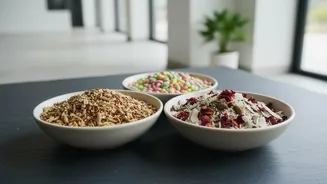
dominated by local sellers with products often containing artificial colours and inconsistent quality. However, a shift is underway, driven by a new generation of entrepreneurs who see potential in elevating this everyday item into a premium, health-conscious product. They are swapping artificial ingredients for natural alternatives, focusing on transparency, and creating sophisticated flavour profiles that appeal to a modern, wellness-oriented consumer.
Meet the Innovators
Across the country, young founders are launching D2C brands that are changing the mukhwas game. Take, for example, husband-and-wife duo Vaishali and Yash Mehta, founders of JoySpoon. Inspired by Vaishali's grandmother's homemade recipes, they decided to create a line of mukhwas that was low in sugar, free of areca nut (supari), and made with all-natural ingredients. Their journey, which even took them to Shark Tank India, highlights a clear market gap for branded, trustworthy mouth fresheners. Similarly, Krishan Arora of the brand Eatsome is targeting Gen Z and millennials by combining Ayurvedic traditions with modern branding, offering hygienic and affordable products that resonate with a younger audience. These founders are not just selling a product; they are building a new category.
The Purity of Ingredients
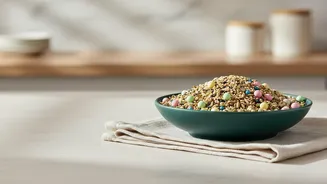
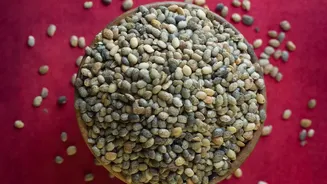
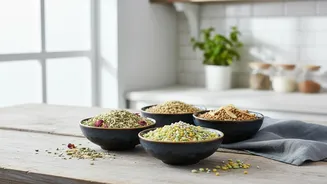
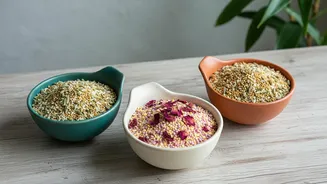
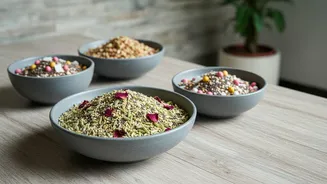
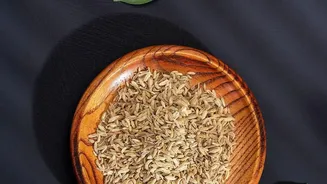
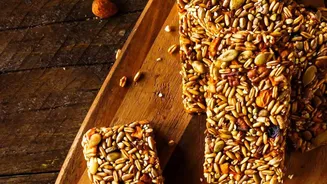
So, what makes these new-age mouth fresheners different? It all comes down to the ingredients. The focus is squarely on natural, high-quality components. The base often remains traditional, with roasted seeds like fennel (saunf), coriander (dhana dal), sesame, and flaxseed forming the core. But the innovation lies in what's added—and what's left out. Instead of refined sugar, you might find natural sweeteners like jaggery or coconut sugar. Artificial colours and flavours are replaced with botanical extracts, sun-dried fruits, and floral elements like gulkand (rose petal preserve). Brands like JoySpoon boast of reducing sugar content by 50-60% compared to traditional varieties and offer unique combinations like 'Almond Delight' and 'Cashew Rose'. This clean-label approach makes the product not just a mouth freshener, but a healthy snack.
More Than a Mouth Freshener
The redefinition of mukhwas extends to its very purpose. It's no longer just a simple after-meal digestive. Packaged in sleek, beautifully designed jars and boxes, it is now being positioned as a gourmet product. These artisanal blends are becoming popular as thoughtful gifts, healthy munching options for the workday, and a sophisticated addition to a host's pantry. Brands like The Betel Leaf Co. are innovating further, transforming the flavours of paan into everything from dry mouth fresheners to chocolates and even teas, expanding the category into new formats. This shift transforms the product from a commodity into an experience, aligning with the global trend of mindful consumption and the desire for products with a story.