







What 'AQI 200' Actually Means
The Air Quality Index, or AQI, is a scale from 0 to 500 that measures how clean or polluted the air is. An AQI of 50 or below is considered good. The range from 151 to 200 is classified as 'Unhealthy'. At this level, the concentration of pollutants is high
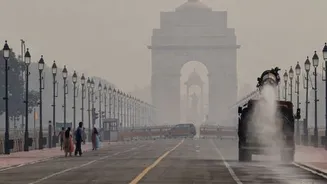
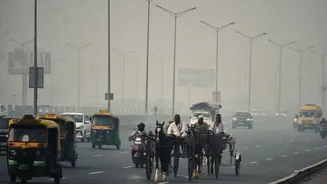
enough that everyone may begin to experience health effects, with sensitive groups facing a greater risk of more serious issues. Recent data shows Delhi's AQI has surged past this threshold, settling at 244 on October 21, prompting authorities to implement pollution-control measures.
The Science Behind Itchy, Burning Eyes
Your eyes have a protective layer called the tear film, which keeps them lubricated and clear. Airborne pollutants, especially fine particulate matter (PM2.5), nitrogen dioxide, and sulphur dioxide, directly attack this delicate surface. These particles can disrupt the tear film, causing tears to evaporate more quickly and leading to a condition known as dry eye syndrome. The chemical irritants also trigger inflammation of the conjunctiva, the thin membrane covering the white of your eye, resulting in redness, swelling, and that persistent gritty feeling.
Common Symptoms to Watch For
When pollution levels are high, your eyes will often send clear warning signs. Be aware of symptoms such as a persistent burning or stinging sensation, excessive watering or tearing, and redness. You might also experience a feeling of grittiness, as if sand is in your eye, along with increased sensitivity to light and intermittently blurred vision. These symptoms often worsen after spending time outdoors or at the end of the day. Ignoring them can lead to prolonged discomfort and a higher risk of eye infections.
Who Is Most at Risk?
While everyone can be affected by poor air quality, certain individuals are more vulnerable. This includes people who wear contact lenses, as pollutants can get trapped behind the lens and cause prolonged irritation. The elderly and children also have more sensitive eyes. Those with pre-existing conditions like allergic conjunctivitis or dry eye disease will often find their symptoms significantly worsen during periods of high pollution.
Practical Steps for Eye Protection
You can take several simple but effective steps to shield your eyes. When venturing outdoors, wear wraparound sunglasses or protective goggles to create a physical barrier against pollutants. Avoid rubbing your eyes, as this can worsen irritation and introduce bacteria. Use preservative-free lubricating eye drops, or 'artificial tears', multiple times a day to keep your eyes moist and flush out irritants. On days with particularly high AQI, try to limit your time outside and consider using an air purifier with a HEPA filter at home. Staying well-hydrated by drinking plenty of water also supports overall eye health.
When You Should See a Doctor
Most mild irritation will subside once you are in a cleaner environment. However, if your symptoms persist for more than a few days, it's wise to consult an eye specialist. Seek immediate medical attention if you experience severe eye pain, significant changes or loss of vision, intense swelling, or a thick, coloured discharge from your eyes. These could be signs of a more serious infection or corneal damage that requires professional diagnosis and treatment.