



Embrace Warming Spices
Monsoon is the perfect time to make friends with your masala dabba. Spices like turmeric (haldi), ginger (adrak), garlic (lahsun), and black pepper (kali mirch) are central to traditional monsoon cooking for a reason. Ginger and garlic possess potent
antiviral and antibacterial properties, ideal for fending off infections. Turmeric is a powerful anti-inflammatory, while black pepper not only has its own antimicrobial benefits but also enhances the absorption of turmeric's active compound, curcumin. Incorporating these into your daily meals, from dals and sabzis to warm herbal teas, can help boost your immunity and aid digestion.
Gourds and Greens
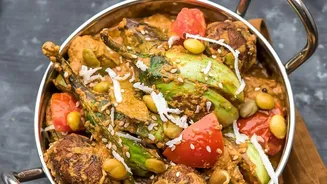
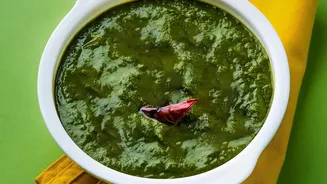
While it's wise to be cautious with raw leafy greens, cooked seasonal vegetables are a monsoon must-have. Gourds like bottle gourd (lauki), bitter gourd (karela), and ridge gourd (turai) are light, easy to digest, and packed with essential nutrients. Bitter gourd, a traditionally valued monsoon vegetable, is rich in Vitamin C and iron and is believed to support healthy digestion during this season. Cooked spinach (palak) is another excellent choice, offering a robust combination of iron, folate, and Vitamins A and C to support your immune system.
The Comfort of Khichdi and Dal
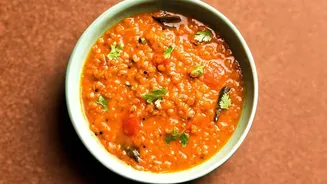
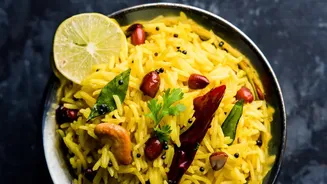
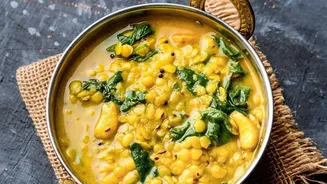
There's a reason khichdi is considered the ultimate comfort food, especially during the rains. This one-pot meal of rice and lentils, typically moong dal, is light on the digestive system yet provides a complete profile of carbohydrates and protein. Moong dal is particularly praised for being one of the most digestible lentils, making it an excellent choice when digestive fire, or agni, is believed to be weaker. A warm bowl of khichdi or a simple moong dal soup can be a nourishing and satisfying meal that aligns perfectly with the body's needs during the monsoon.
Seasonal Fruits for Immunity
The monsoon brings a bounty of delicious fruits that are perfect for snacking and boosting your vitamin intake. Jamun (Indian blackberry) is a low-calorie favourite, rich in iron, potassium, and vitamins that help with common stomach problems during this season. Pears and plums are also excellent choices; both are high in fibre and immunity-boosting Vitamin C. Papaya contains a unique enzyme called papain, which aids in breaking down heavy proteins and can help prevent the bloating and constipation that some experience during the monsoon.
Corn on the Cob (Bhutta)
The quintessential monsoon snack, roasted bhutta, is more than just a nostalgic treat. Corn is a good source of fibre, which supports gut health, and contains antioxidants as well as B and C vitamins. When you're strolling through a rainy market, the sight of a vendor roasting corn over hot coals is hard to resist. Seasoned with lemon juice, salt, and a pinch of chilli, it's a snack that is both delicious and nutritionally sensible for the season.
Probiotics for Gut Health
With the increased risk of stomach infections during the rainy season, maintaining good gut health is paramount. Fresh, homemade curd (yoghurt) and buttermilk are excellent sources of probiotics, the 'good bacteria' that support a healthy digestive system and, by extension, your immunity. While some may be wary of curd's cooling nature, consuming it during the daytime can soothe the stomach and help your body absorb nutrients more effectively.