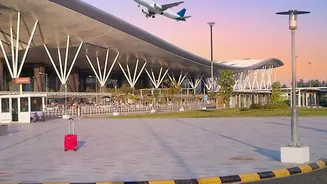








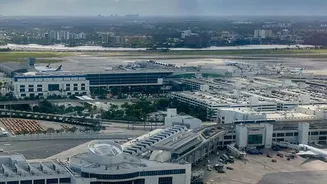
The Vision: Ude Desh ka Aam Nagrik
At the heart of this transformation is the UDAN (Ude Desh ka Aam Nagrik, or 'Let the Common Citizen Fly') scheme, launched in 2016. The goal was to connect unserved and underserved airports, promote balanced regional growth, and make flying accessible
to the masses. The number of operational airports in India has already surged from 74 in 2014 to 166 as of mid-2026. To make this possible, the government provides financial incentives to airlines, including subsidies known as Viability Gap Funding (VGF), to encourage them to operate on routes that might not otherwise be profitable. A key component of the scheme is a fare cap, famously pegged at around ₹2,500 for a one-hour flight on select seats, making the cost comparable to a train journey for many.
A New Phase of Expansion
Building on this momentum, the government has launched 'Modified UDAN', a new phase set to run from 2026 to 2036. This initiative includes the plan to develop 100 new airports and 200 modern helipads with a budget of approximately ₹30,000 crore. The focus is on strengthening last-mile connectivity and creating a sustainable ecosystem for regional airlines. This massive infrastructure push is designed to meet the growing demand for air travel coming from Tier-2 and Tier-3 cities, Himalayan regions, and remote islands, where residents have long called for better connectivity. Over the past decade, the scheme has already enabled more than 1.68 crore passengers to fly on over 3.58 lakh flights, significantly expanding India's aviation map.
The Bumps in the Runway
Despite the impressive numbers, the journey has not been without turbulence. A major challenge is the financial viability of the routes. Many airlines have found it difficult to sustain operations even with subsidies, due to low passenger numbers on certain routes and high operating costs. As a result, a significant portion of the routes awarded under UDAN have ceased operations. Reports from late 2023 indicated that nearly half of the operationalized routes had been discontinued for reasons including low demand and the financial failure of airlines. Experts point out that simply building an airport is not enough; without proper studies on local demand, connectivity to city centers, and essential infrastructure like night landing facilities, many regional airports struggle to attract airlines and passengers.
Can Airlines Afford to Fly Regionally?
For regional carriers, operating on thin margins is a constant struggle. The fare caps, while beneficial for passengers, make profitability a challenge for airlines. The financial health of smaller, regional airlines has been a persistent issue, with some shutting down operations after winning bids for routes. Even when routes are successful, some airlines have discontinued services once the three-year subsidy period ends, suggesting that the routes are not yet self-sufficient. Industry leaders, like the head of aircraft manufacturer ATR, have noted that while the UDAN scheme has been crucial for boosting connectivity, long-term success will require more than just subsidies. They argue for a broader policy approach that includes lower airport taxes and other incentives to create a truly sustainable business model for regional aviation.