


A Scientific Icon's Slow Descent
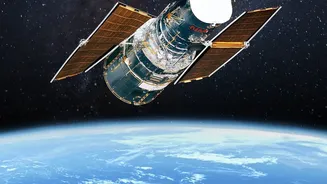
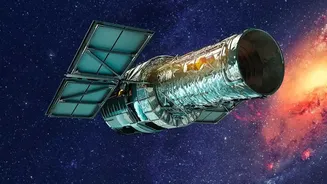
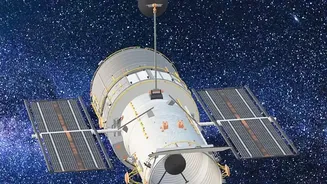
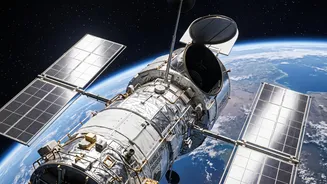
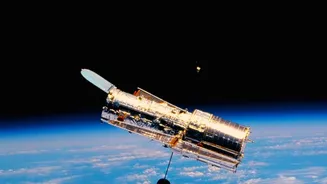
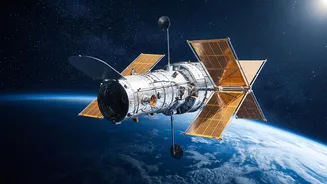
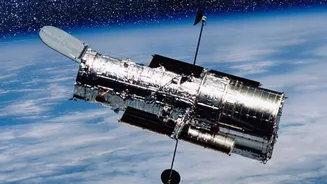
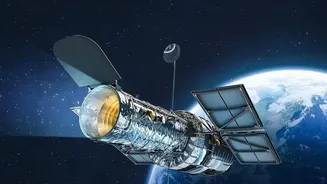
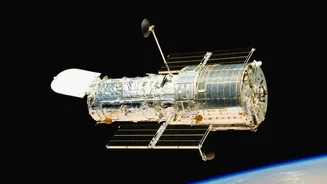
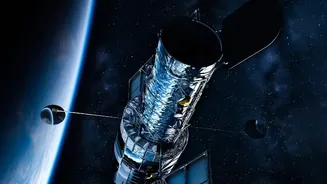
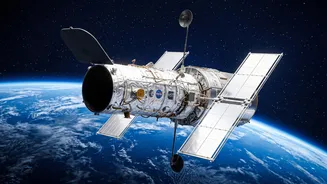
The Hubble Space Telescope is one of the most productive scientific instruments ever built, but it has a problem that no software patch can fix: gravity. Since its last service mission by a space shuttle crew in 2009, atmospheric drag has been slowly
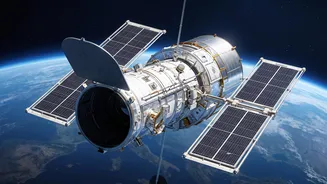
pulling the telescope down. Though extremely thin at its altitude, the upper atmosphere acts like a brake on the school-bus-sized observatory, which has no onboard thrusters to correct its path. Its orbit, once over 350 miles high, has been decaying ever since. Projections show that without intervention, Hubble will likely re-enter Earth's atmosphere sometime in the early-to-mid 2030s, ending its historic mission in a fiery descent.
Why Can't NASA Fix It Alone?
In the past, NASA astronauts visited Hubble five times using the Space Shuttle fleet. These missions were essential for repairing and upgrading the telescope, including the famous mission that corrected its flawed mirror. With the retirement of the shuttle program in 2011, NASA no longer has a vehicle designed for such complex, hands-on servicing missions. This created a capability gap. While the agency has explored options for a robotic de-orbit mission to ensure a safe splashdown at the end of Hubble's life, the idea of proactively saving it has always been a more complex challenge. This new call for help signals a major shift in strategy, turning from government-led operations to commercial possibilities.
A New Call for Private Heroes
Recognizing the urgency, NASA recently issued a formal Request for Information (RFI). This is not a contract but a market survey to gauge the capabilities of the commercial space industry. The agency has laid out three main possibilities: a mission to capture Hubble and 'reboost' it into a higher, more stable orbit; a servicing mission to enhance its capabilities; or a plan to safely guide its controlled re-entry. By asking for ideas, NASA is opening the door for innovative, cost-effective solutions that were unimaginable during the shuttle era, effectively crowdsourcing the rescue of a national treasure.
Potential Partners in Space
While the RFI is open to any company, one potential partner has already done its homework. In 2022, NASA and SpaceX conducted a joint study, initiated by billionaire Jared Isaacman's Polaris Program, to assess the feasibility of using a SpaceX Dragon capsule to reboost Hubble. The study concluded that such a mission was technically possible. Isaacman, who is now the NASA Administrator, has been a vocal proponent of saving the telescope. While the previous study was unfunded, this new RFI formalizes the process and invites others, from established aerospace giants to newer startups, to present their own unique plans for rendezvous, capture, and servicing.
The Prize: More Years of Discovery
The ultimate goal is to add many more years of operational life to the beloved observatory. A successful reboost to a higher orbit could extend its mission by 15 to 20 years, allowing it to continue making groundbreaking discoveries alongside its successor, the James Webb Space Telescope. For over three decades, Hubble has reshaped our understanding of the universe, from determining its age to providing evidence of dark energy and imaging the atmospheres of distant exoplanets. Preserving this unique asset not only benefits science but also paves the way for a new commercial market in servicing satellites and extending the life of critical hardware in orbit.