






Breaking Down the Gym Walls
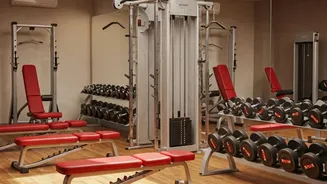
For many, the biggest barrier to starting strength training wasn't a lack of desire, but the environment where it traditionally took place. Commercial gyms, with their complex machines, unwritten rules of etiquette, and perceived culture of judgment,
often felt inaccessible. The fear of using equipment incorrectly, looking out of place, or being scrutinised kept countless potential lifters away. This 'gymtimidation' was particularly potent for women, who also contended with the misconception that the weights area was a male-dominated space. The shift to home-based fitness, accelerated in recent years, has dismantled these psychological walls. Working out at home offers privacy and the freedom to learn at one's own pace, eliminating the pressure of an audience.
The Rise of the Digital Trainer
The internet has become the world's largest, most accessible gym. Platforms like YouTube, Instagram, and dedicated fitness apps have empowered a new generation of coaches who specialise in making fitness approachable. Unlike the hardcore, 'no-pain-no-gain' trainers of old, these digital mentors offer clear, science-backed guidance with an encouraging tone. They provide free tutorials on proper form, structured workout plans for all levels, and real-time feedback through online communities. This has been a game-changer for beginners, who can now access expert instruction without the high cost or commitment of in-person personal training. It's like having a knowledgeable and supportive friend guiding you through every squat and press.
From Myths to Mainstream Health
Resistance training was once clouded by persistent myths that have now been widely debunked by accessible, evidence-based information. The most pervasive myth, especially among women, was that lifting weights inevitably leads to a 'bulky' physique. Science and countless fitness professionals have clarified that building significant muscle mass is a difficult, deliberate process requiring specific training and nutrition protocols. Other fallacies, such as strength training being dangerous, only for the young, or that it makes you stiff, have also been dispelled. As people learn that resistance training is a cornerstone of long-term health—improving metabolism, increasing bone density, preventing chronic disease, and enhancing mental well_being—its perception has shifted from a niche pursuit to an essential component of a healthy lifestyle for everyone.
Equipment That Fits Your Life
The home fitness equipment market has exploded with innovative, affordable, and space saving solutions. You no longer need a sprawling, dedicated room to build a functional home gym. The journey can begin with something as simple and inexpensive as a set of resistance bands, which provide versatile, effective tension for a full body workout. From there, beginners can progressively add tools like adjustable dumbbells, which offer a wide range of weights in a compact footprint, or kettlebells for dynamic, power building movements. Even bodyweight exercises, which require no equipment at all, have been highlighted as a powerful and effective starting point. This accessibility means you can build strength effectively without a hefty financial investment or a large living space.
Finding Strength in Community
One of the key benefits of a traditional gym was the sense of community and accountability. Today, that support system has migrated online. Digital fitness platforms and social media groups provide a space for beginners to ask questions, share their progress, and celebrate milestones with like minded individuals. This sense of connection combats the isolation that can sometimes come with working out alone. Seeing others who are on a similar journey provides motivation and reinforces the idea that fitness is not about perfection, but progress. These online communities foster a culture of encouragement over competition, creating a welcoming environment where beginners feel supported as they build confidence and consistency in their new routine.