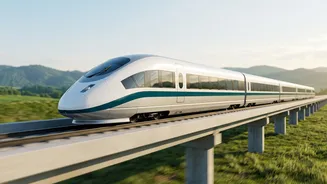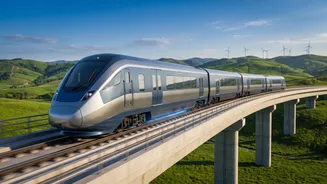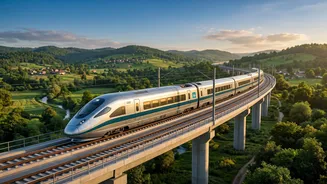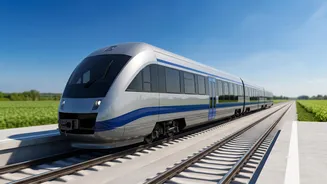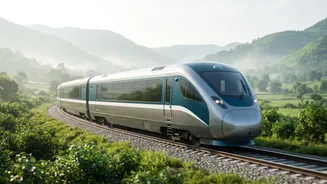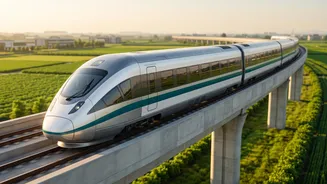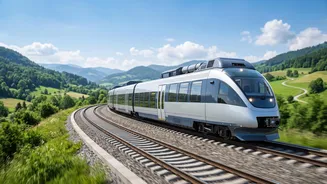





What Exactly Is a Hydrogen Train?
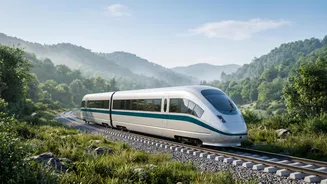
A hydrogen train, often called 'hydrail', is essentially an electric train that generates its own power. Instead of drawing electricity from overhead lines or burning diesel, it uses hydrogen gas stored in tanks on board. A device called a fuel cell combines
this hydrogen with oxygen from the air in a chemical reaction to produce electricity. This electricity then powers the motors that turn the wheels. The only direct byproduct of this entire process is water vapour, making it a zero-emissions solution at the point of use.
The Science of Clean Propulsion
The heart of the technology is the fuel cell stack. It acts as a miniature power plant. Hydrogen stored under pressure is fed into one side of the cell, while oxygen from the ambient air is supplied to the other. The fuel cell facilitates an electrochemical reaction that splits hydrogen atoms into protons and electrons. The electrons are channelled through an external circuit, creating an electrical current that drives the train. Many hydrogen trains are also hybrids, featuring large batteries. These batteries store surplus electricity generated by the fuel cell and also capture energy from regenerative braking, providing extra power for acceleration or climbing steep gradients.
A Greener Alternative to Diesel
The most significant advantage of hydrogen trains is the elimination of tailpipe emissions. Unlike diesel trains that release carbon dioxide (CO2), nitrogen oxides (NOx), and particulate matter, hydrogen trains only emit water. This is crucial for improving air quality in urban areas and along railway corridors. They are also significantly quieter than their diesel counterparts, reducing noise pollution. This technology is especially valuable for non-electrified routes, where diesel has long been the only option. Retrofitting tracks with overhead electric lines is incredibly expensive, making hydrogen a more cost-effective path to decarbonisation for many regional and rural lines.
India's Hydrogen Journey Begins
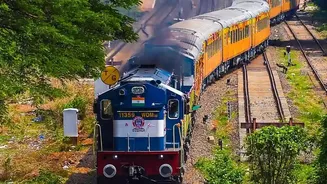
India has officially joined the select group of nations exploring hydrogen rail transport, including Germany, China, and Japan. In July 2026, the country launched its first indigenous hydrogen-powered train, operating on the Jind-Sonipat section in Haryana. Developed as a pilot project, the train serves as a technology demonstrator. While initial ridership has been low, prompting Indian Railways to consider extending the service to Delhi, the project is a crucial first step. It provides invaluable operational experience and supports the development of a domestic hydrogen ecosystem, including the country's largest railway hydrogen refuelling facility, located in Jind.
Hurdles on the Track to Adoption
Despite its promise, the path to widespread hydrogen train adoption faces several challenges. The primary hurdle is the cost and production of hydrogen itself. For the environmental benefits to be fully realised, the hydrogen must be 'green'—produced by splitting water using renewable energy. This process, known as electrolysis, is currently expensive. Building the necessary infrastructure for hydrogen production, storage, and refuelling also requires significant investment. Furthermore, ensuring the safety of storing highly flammable hydrogen gas on board requires robust, certified systems and new regulations, an area where standards are still evolving.