





The Problem with the Sweet Start
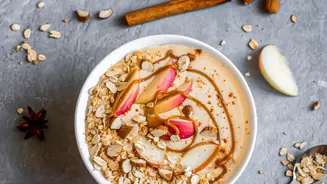
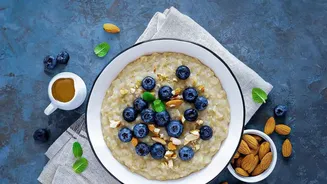
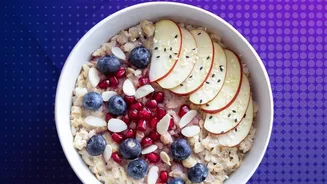
For years, a warm bowl of oatmeal sweetened with honey, maple syrup, or loaded with fruit was considered the gold standard of healthy breakfasts. It was quick, comforting, and supposedly packed with energy. However, fitness-conscious individuals are now
looking closer at the nutritional label. Even natural sweeteners like honey and fruits can cause a significant spike in blood sugar. This often leads to the dreaded mid-morning energy crash, followed by cravings for more sugary snacks. Pre-packaged sweet oatmeal can be even worse, with some single-serving packets containing up to 12 grams of added sugar or more. For those focused on weight management and stable energy levels, this morning sugar rush is a major hurdle.
The Savoury Shift: A Palate Preference
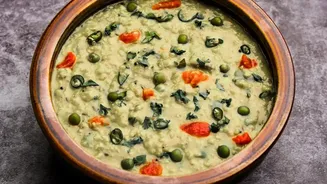
The rise of savoury oats isn't just about cutting sugar; it's also about catering to a distinctly Indian palate. For many, a breakfast of poha, upma, or parathas feels more satisfying than a sweet dish. A hot, savoury meal is deeply ingrained in Indian food culture as a sign of a proper, nourishing start to the day. Masala oats, cooked with onions, tomatoes, and a blend of spices like turmeric and garam masala, tap directly into this preference. It feels less like a compromise and more like a modern, healthier version of a traditional breakfast, combining the comfort of a warm meal with familiar, beloved flavours.
The Nutritional Edge of Masala Oats
When you swap sweet toppings for vegetables and spices, the nutritional profile of your breakfast changes dramatically. Savoury oats offer a superior solution for blood sugar control, a key concern for fitness enthusiasts. Unlike their sugary counterparts, they prevent sharp glucose spikes, providing sustained energy for hours. Adding vegetables like peas, carrots, and capsicum enriches the meal with essential vitamins, minerals, and fibre. Spices like turmeric offer anti-inflammatory benefits. This combination creates a low-glycemic, high-fibre meal that supports everything from heart health to weight management.
Keeping You Fuller for Longer
One of the biggest advantages of savoury oats is satiety—the feeling of being full and satisfied. The high fibre content in oats is already known to promote fullness. When you add vegetables and lean protein sources like paneer, tofu, or a boiled egg on the side, you create a powerhouse meal that keeps hunger at bay for much longer than a simple sweet porridge. This increased satiety is crucial for weight management, as it helps reduce overall calorie intake throughout the day by preventing unnecessary snacking. For anyone trying to build muscle or lose fat, a breakfast that provides lasting fuel without a crash is a game-changer.
Convenience Meets Modern Wellness
The initial boom in savoury oats was heavily driven by convenient, single-serving packets from brands like Saffola and Quaker, which catered to time-crunched urban professionals. While many people now prefer to make their own healthier versions from scratch, the principle remains the same: it's a quick, easy, and healthy meal. This trend aligns perfectly with the modern Indian consumer's move towards celebrating native tastes and wellness traditions over mimicking Western habits. Ditching a Western-style sweet cereal for a hot, spiced breakfast is a reflection of a broader cultural shift towards 'confident vernacularism'—finding a modern, healthy expression of local identity.