




The Familiar Comfort of Packing Cubes
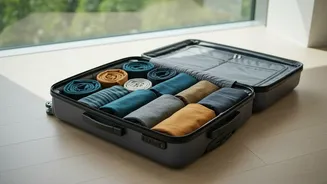
For years, packing cubes have been a traveler's best friend. These zippered fabric containers bring a welcome sense of order to any suitcase or backpack. By grouping similar items together—shirts in one, undergarments in another—they transform a chaotic
bag into a tidy set of modular drawers. This makes finding a specific item effortless, eliminating the need to rummage through your entire bag for a clean pair of socks. They are fantastic for organization and quick access, especially on trips where you're moving between locations and need to unpack and repack frequently. However, their primary function is organization, not compression. While some have an extra zipper to squeeze items together, they don't remove air and offer minimal space savings, which is a major drawback when dealing with puffy, air-filled garments.
Enter the Space-Saving Champion
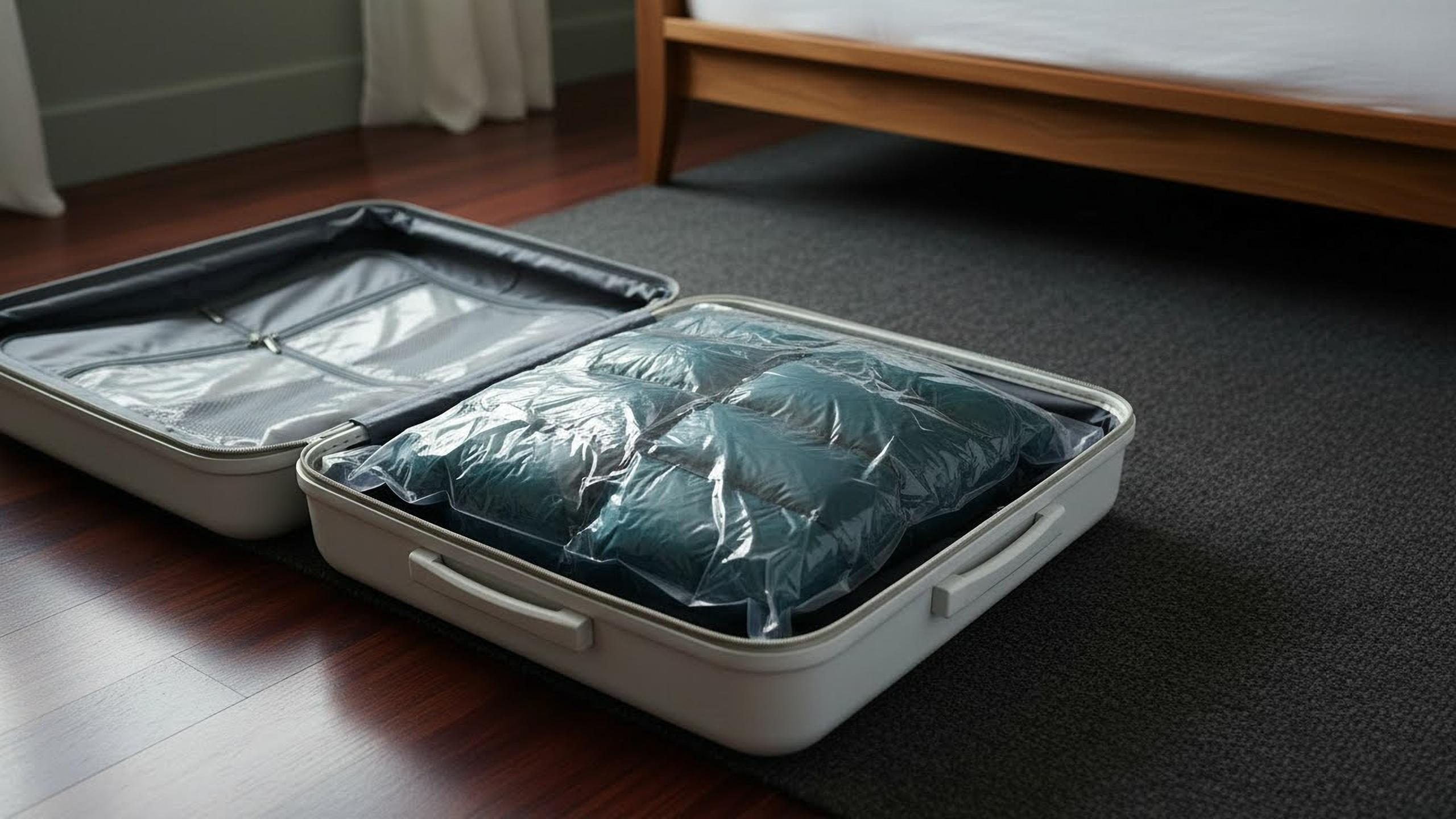
Vacuum compression bags tackle the packing problem from a different angle: volume. Instead of just organizing your clothes, these bags are designed to suck out every bit of trapped air, dramatically shrinking the size of soft goods. They can reduce the volume of clothing by up to 60 percent or more. This is a game-changer for bulky attire. A thick fleece, a puffy rain jacket, or a wool sweater that once occupied a third of a carry-on can be flattened into a dense, slim package. These bags typically work in one of two ways: some require a small, often portable, electric pump or a household vacuum to remove the air, while others are designed to be rolled by hand, forcing air out through a one-way valve.
The Decisive Factor: Bulk vs. Weight
When packing for a monsoon or a chilly mountain getaway, the main challenge isn't the weight of your rain gear, but its bulk. A lightweight down jacket can take up an astonishing amount of space. This is where vacuum bags have a clear advantage over packing cubes. By removing air, they directly combat the puffiness that makes these items so hard to pack. This allows travelers to fit necessary outerwear into a smaller suitcase, potentially avoiding checked bag fees. It’s important to remember that while the volume decreases, the weight does not. However, since items like rain jackets are typically light, this is rarely an issue; the primary win is reclaiming space for other essentials.
Added Protection Against the Elements
A significant, and often overlooked, benefit of vacuum bags for rainy destinations is their airtight and waterproof nature. Once sealed, they provide a formidable barrier against moisture, spills, and odors. If a wet swimsuit or a damp towel has to be packed in a hurry, placing it in a separate bag keeps the rest of your luggage dry. Likewise, they protect clean, dry clothes from the humid, musty conditions that can be common in tropical climates. Packing cubes, unless specifically designed with waterproof materials, offer little protection from moisture. This dual function of compressing and protecting makes vacuum bags an exceptionally practical choice for any trip where water is a factor.
Understanding the Trade-Offs
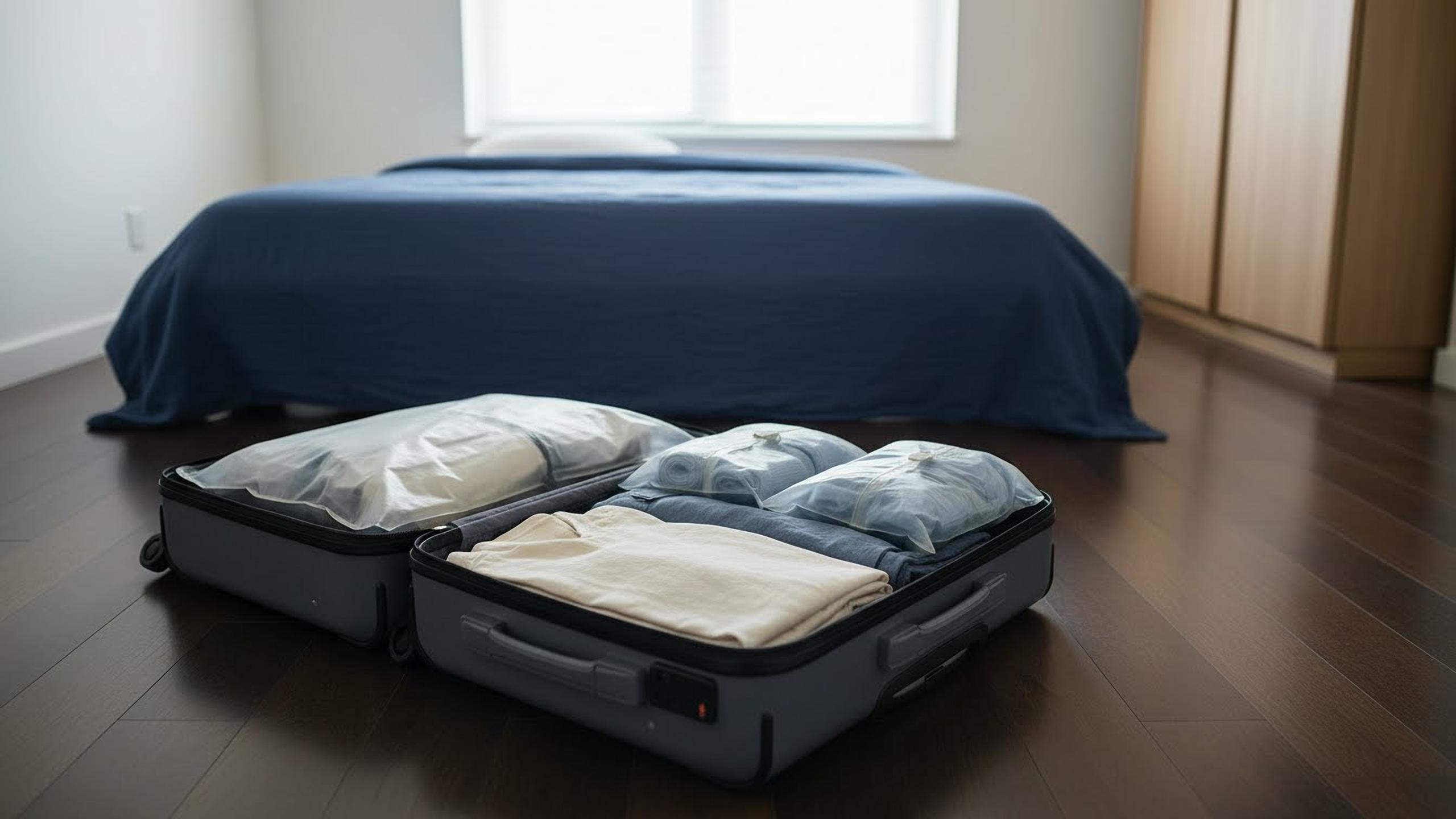
The choice isn't completely one-sided, and vacuum bags do have downsides. The intense compression can lead to deep-set wrinkles, which might not be ideal for all garments. Delicate natural fibers like silk, cashmere, or certain wools can also be damaged by long-term compression. Accessibility is another consideration. Once a bag is sealed, retrieving a single item can be a hassle, requiring you to unseal and then reseal the entire bag. This is where packing cubes shine, offering easy access to your neatly folded clothes. For this reason, many seasoned travelers adopt a hybrid approach: using vacuum bags for bulky outerwear and less-used items, while relying on packing cubes for everyday clothing that requires easy access and minimal wrinkling.